Let's name the tension that never gets talked about
After a real fight, the body doesn't just forget. You might have apologized. You might have talked it through. But the nervous system? Still in guard mode. Touch feels different when there's unresolved hurt in the room, even if you've both intellectually moved past it. The idea of sex feels either impossible or performative, like you're supposed to just flip a switch and be fine.
This is where a lot of couples get stuck. They wait for desire to return on its own. It doesn't. And they end up rebuilding physical connection through obligation rather than genuine pleasure, which just embeds the original wound deeper.
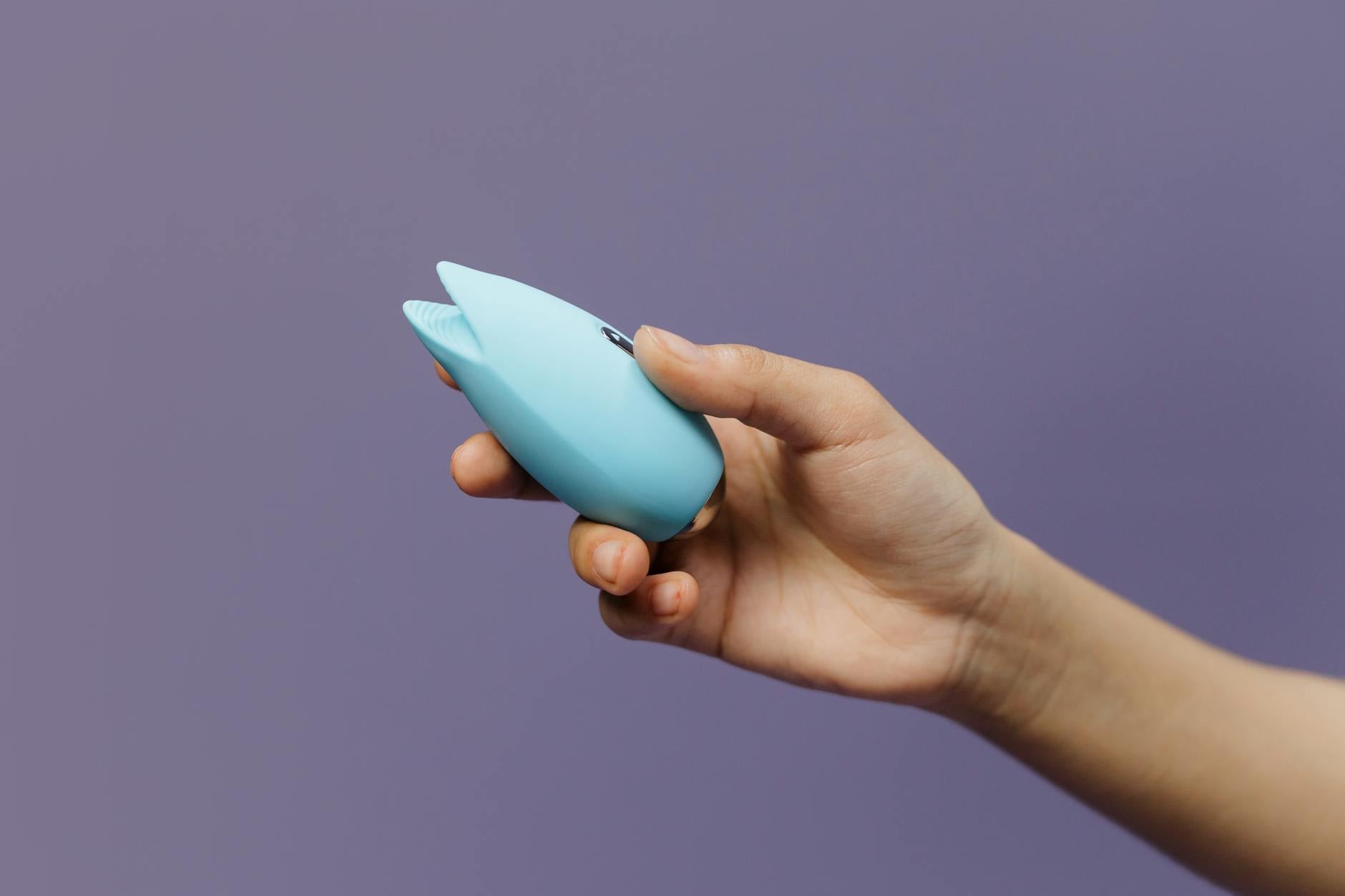
Lemon vibrators, specifically designed for clitoral stimulation, offer a different path. Not a bypass around the emotional work, but a way to rewire the nervous system toward pleasure while you're doing that work.
Why physical reconnection matters more than you think
After conflict, touch becomes loaded. A hug might feel like an apology that hasn't been earned yet. Sex feels like it requires total emotional resolution first, which means you're waiting indefinitely. What actually happens clinically is different. Pleasure activates the parasympathetic nervous system, the part of your brain that says "we're safe now." That's not weakness. That's biology.
The research on couples who rebuild after conflict is clear: those who find a way back to physical pleasure recover faster and with more sustained improvement than couples who wait for all the emotional debris to clear first. The pleasure itself becomes evidence to the nervous system that safety has returned.
But here's the catch. If you're returning to partnered sex after a rough patch, performance anxiety is sky-high. What if I don't come? What if it feels awkward? What if it just proves we're not okay? That cascade of "what-ifs" kills the whole thing before it starts.
Why lemon vibrators shift the dynamic
A clitoral vibrator, especially one designed with the kind of focused suction stimulation that lemon toys offer, does three things that matter for post-conflict reconnection.
First, it removes the performance pressure. If you're using a lemon vibrator either solo or with your partner present, the success metric is clear: your pleasure. Not your partner's pleasure, not the illusion of synchronicity, not proving that you're fine. Just your actual orgasm. That clarity is shockingly clarifying for the nervous system.
Second, it gives your partner something to do that isn't penetration or traditional stimulation. If you both felt awkward restarting sex, having a tool in the room changes the conversation. They're not the source of pleasure. The toy is. They're a presence, maybe offering touch somewhere else (hands, mouth, or just closeness) while you focus on sensation. That's collaborative without being co-dependent.
Third, it prioritizes clitoral pleasure, which is often what gets dropped first after conflict. When couples are in repair mode, sex often defaults to what feels "normal" or what the partner is familiar with. For most people with vulvas, that's penetration, which registers lower on the pleasure scale than clitoral stimulation. Lemon vibrators won't let that hierarchy slip. They're designed for the place on the body that actually has the highest nerve density and the fastest path to orgasm.
The practical steps for using lemon vibrators to rebuild
If you're considering this, here's how to actually do it.
Start by using it alone first. Give yourself at least one session (preferably two or three) with a lemon clitoral vibrator on your own, in a space where you feel totally safe and the emotional residue isn't hanging over you. Let your nervous system remember what pleasure feels like without any weight attached. This is essential. You can't demonstrate pleasure to a partner if you haven't reconnected with it yourself.
Then introduce it with your partner, but frame it correctly. Don't say "I need this because you're not enough" or "Let's try this to fix us." Say something like "I want to use this with you in the room. I'd like you to be close." The invitation is about presence, not performance. You're inviting them to witness your pleasure returning, not to be the source of it.
Keep the pressure low the first time. Don't aim for an orgasm. Aim for five minutes of sensation. Aim for noticing what feels good. Aim for a quiet moment together where pleasure is happening without anyone keeping score. That's the win.
Let your partner touch you elsewhere. Hands, mouth, skin-to-skin contact on areas that aren't the clitoris. This keeps the connection intimate without layering on the pressure of synchronized arousal. Many couples find this is when they actually feel closest. You're in pleasure, they're present and participating, and there's no competition about who's responsible for what.
What lemon vibrators actually do differently
If you've never used a clitoral vibrator before, it's worth understanding why the design of Hello Nancy's lemon toys matters here. Most vibrators move back and forth. Lemon vibrators use air-suction technology, which stimulates the clitoris without direct mechanical friction. This means less overstimulation, more sustained sensation, and a kind of pleasure that builds gradually rather than hitting intensely and plateauing.
For nervous systems that are still a bit raw from conflict, that gradual build is actually perfect. It doesn't shock the system. It invites it. And the consistency means you're not chasing sensation or dealing with numbing, which can happen with traditional vibration if you're already a bit defended.
The emotional piece can't be skipped
Using a lemon vibrator is not a substitution for the actual repair work. You still need to talk about what went wrong. You still need genuine apologies and changed behavior and all of that. What the vibrator does is prevent your body from getting locked in protective mode while you're doing that emotional work.
Think of it this way. The conflict created a story in your nervous system: "This person hurt me. Touch is unsafe right now." Pleasure rewrites that story. Not because you're forcing forgiveness, but because your body gets evidence that safety and closeness can coexist. That evidence matters.
Many couples I work with report that the actual conversation shifts once they've reconnected physically. The defensiveness drops. The tone softens. Not because sex solves the problem, but because the nervous system has downregulated enough to actually hear each other.
When to know it's working
If you're rebuilding after conflict using lemon vibrators or any tool, watch for these signs that it's landing right.
You're initiating pleasure again without it feeling like an obligation. You're laughing in the room. You're asking for what you want without that sharp edge in your voice. Your partner is saying things like "I missed this" or asking questions about what feels good instead of just doing what they've always done. Your body is saying yes without your mind having to convince it.
Yf none of those things are happening after a few weeks of reconnection, that's actually important information. It might mean the conflict is bigger than intimacy can bridge right now. It might mean you need more external support, like couples therapy, before reconnection is genuinely possible. That's not a failure. That's wisdom.
The long game
Here's what I've seen over and over in my practice. Couples who find a way to rebuild pleasure after conflict don't just recover. They often end up with stronger, more intentional intimacy than they had before. Because they can't take it for granted anymore. Because they've proven to themselves that they can fight and come back. Because they've separated pleasure from performance in a way that lasts.
Lemon vibrators won't repair a broken relationship by themselves. But they can be the bridge that lets your nervous system trust again while you're doing the actual work of repair. And sometimes, that bridge is exactly what's needed.
People also ask
How soon after a fight can you use a vibrator with your partner?
There's no fixed timeline. If you've both apologized and agreed to work on the conflict, you could try it within a few days. But I'd give it at least 48 hours. That gives some of the acute emotional charge time to settle. And I'd strongly recommend using one solo first, before bringing it into the partnered space. That solo session is how you know your own nervous system is ready.
Will using a lemon vibrator together actually help us communicate better?
It won't create communication if it doesn't exist. But it can soften the defensive stance that prevents communication. If you're both still in hurt-and-angry mode, a vibrator won't fix that. What it can do is create a moment where the body remembers safety, and from that place, talking becomes less fraught. Think of it as resetting the nervous system, not solving the conflict.
What if my partner feels threatened by the vibrator?
That's worth a separate conversation, not in the moment. Ask them what the threat is. Is it about comparison ("Does this feel better than me?")? About control? About how you've framed it? Most of the time, partnered vibrator use works better after partners understand they're not being replaced. The vibrator is about your pleasure, not about their inadequacy. If your partner is consistently resistant after that conversation, that might point to a deeper trust or security issue worth addressing with a therapist before moving forward.
Can a lemon clitoral vibrator actually replace partnered sex after conflict?
No. It's a bridge, not a destination. The goal is to reconnect with pleasure while you're doing the emotional repair work. But you'll want to eventually move back toward partnered intimacy that includes all the things you both value. The vibrator makes that transition possible by reminding your body what pleasure feels like.
How do I bring this up to my partner without it seeming like a Band-Aid solution?
Frame it as nervous system support, not conflict resolution. "I want to reconnect with you physically, and I think something like this could help us both relax into that." Name that you're both probably a bit guarded right now, and that's normal. A tool that supports pleasure is just that, a tool. It's not saying "this will fix us." It's saying "I want to remember what good feels like, and I want you there while that happens."
What if using a vibrator just reminds us of the conflict?
Then pause and check in. The whole point is to create safety, not to force pleasure. Sometimes the nervous system needs more time. Sometimes you need to do more of the emotional conversation first. That's not failure. That's listening to what your body is telling you. And it's worth respecting.
What matters most
Conflict is a normal part of any relationship. What matters is what you do after. Using lemon vibrators or any pleasure tool is one way to say to your partner and to yourself, "Our intimacy matters enough to rebuild." The vibrator is just the vehicle. The real work is showing up, staying curious, and committing to reconnection even when it's awkward at first. Your nervous system will thank you for it.