Let's call it what it is
Routine isn't neutral. It doesn't just feel predictable. It actually changes how your body responds. When the same sequence happens week after week, your nervous system stops paying attention. That's not a relationship failure. That's neurology. The brain is optimized to notice novelty and filter out repetition. After a hundred times in the same position at the same time on the same night, your body goes on autopilot.
The couple who brought this up to me last month had been together twelve years. Good relationship. Still liked each other. But sex had become something they did on schedule, like flossing. "We're not unhappy," she said. "We're just... bored." The honesty was refreshing. And fixable.
Why novelty matters more than you think
Research in couples therapy shows that introducing new stimulus into sex doesn't just feel nice in the moment. It actually rewires the neural pathways around arousal and pleasure. When something unfamiliar enters the space, your brain has to engage. You can't sleepwalk through it. For the partner receiving sensation, that novelty resets sensitivity. For the partner offering it, the shift in dynamic often rekindles desire they thought had faded.
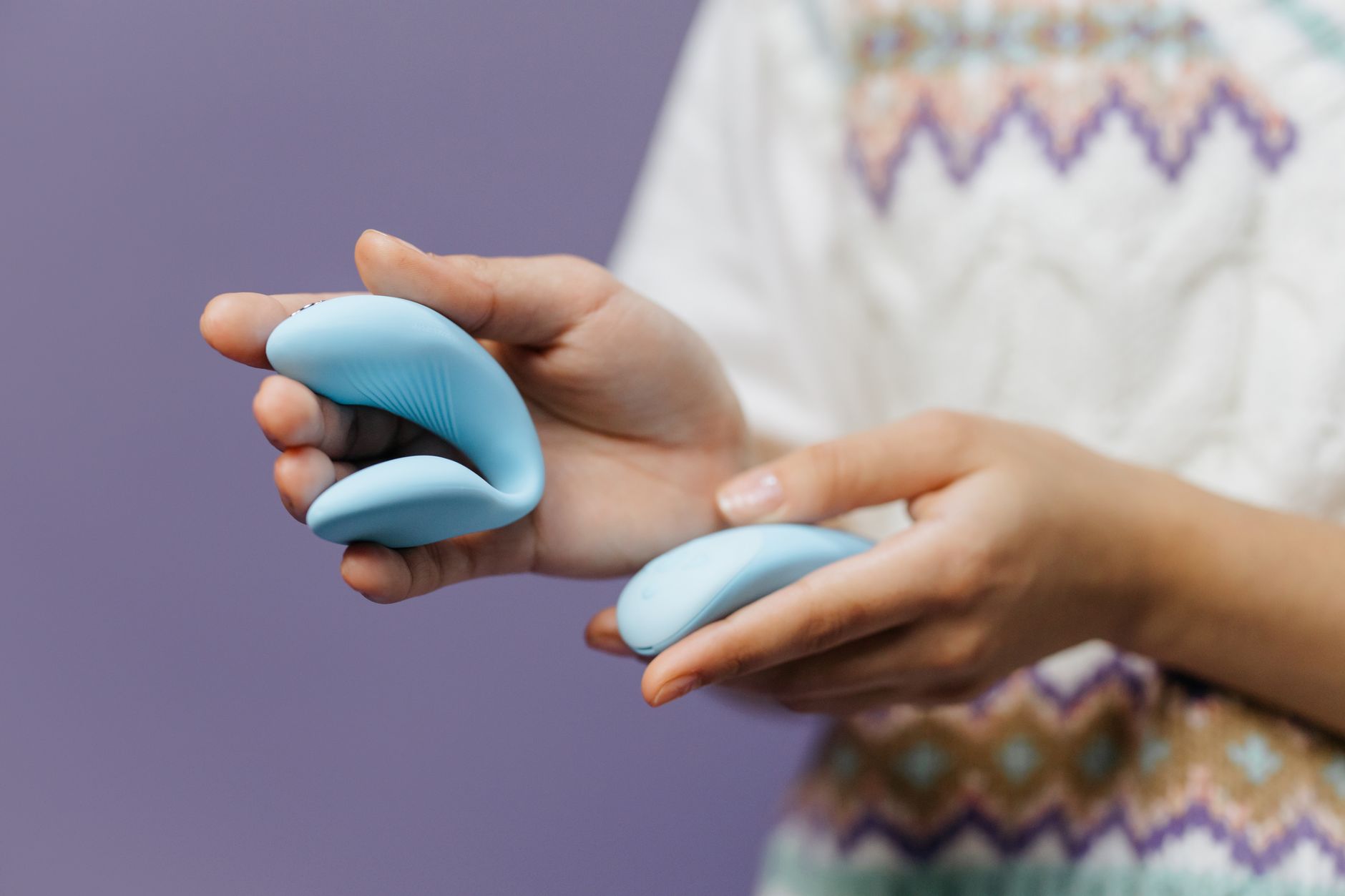
Lemon vibrators specifically work well here because they introduce something concrete without requiring a complete overhaul of your intimate life. You're not flying to a resort or role-playing something neither of you wants. You're adding one element that changes the sensation profile entirely.
The problem with "just ask for more"
I've heard this advice so many times: "Just communicate. Tell your partner what you want." The thing is, communication assumes you know what you want and that your partner can deliver it. When sex has been routine for years, most people don't actually know what would feel different anymore. And asking your partner to somehow become more creative or intense when you haven't given them new information in years puts pressure on them to guess.
A lemon vibrator removes that guessing game. It's not "I wish you did X differently." It's "Let's try something new together." The tool becomes the conversation starter instead of requiring the conversation first. You both get to explore what shifts when sensation changes.
How the sensation actually resets
When you're used to hand stimulation or a specific motion, your body's response to it becomes muted. You know exactly what's coming. There's no anticipation. Lemon vibrators create a completely different sensation profile. The suction-based technology doesn't mimic what fingers do. It feels new even if you've been intimate for decades.
For the receiving partner, this novelty jolts the nervous system awake. Pleasure receptors that have been quiet come back online. For the partner providing the experience, watching their longtime partner respond to something different is its own aphrodisiac. Desire often follows engagement, not the other way around.
Many couples I work with find that the first time they use a lemon vibrator together, they're not just experiencing new sensation. They're remembering why they were attracted to each other in the first place. That's the real shift.
The practical setup that actually works
Here's what I recommend to couples stuck in routine:
Start with intention but minimal pressure. Pick a time when you're not stressed or goal-focused. Introduce the toy not as a fix for something broken, but as exploration. "I found this. I'm curious what it feels like. Want to find out together?" That frame matters. You're not admitting something's wrong. You're choosing novelty.
Begin with lower intensity settings. The goal isn't to rush to orgasm. It's to notice. What does the sensation feel like compared to what you're used to? How does the dynamic shift when stimulation is coming from something other than your partner's hand? Sometimes the biggest shift is emotional. Watching your partner enjoy something new can be deeply connecting.
Don't turn it into performance. If the first time feels awkward, that's normal. Most new things do. The second or third time usually clicks because you've stopped overthinking it.
When routine hides a deeper issue
Here's the honest part that goes unspoken: sometimes routine sex isn't about lacking novelty. It's about unresolved resentment, emotional disconnection, or just being in different life phases. A lemon vibrator won't fix a relationship where communication has broken down or where one partner feels invisible outside the bedroom.
If the routine has been there for years and you're also noticing emotional distance, difficulty making eye contact, or that you'd genuinely prefer to avoid sex, that's relationship work that needs to happen first. The toy won't solve that. A conversation with a therapist will.
But if you genuinely like each other and the sex has just become predictable. If the desire is still there but it's sleeping. If you're both willing to try something different. Then yes. The right tool can wake everything back up.
The conversation that makes it stick
Introduce the idea when you're not in the moment. Mention it casually. "I read that some couples use lemon vibrators to mix things up. Sounds kind of interesting." Gauge the reaction. You might get "Absolutely" or "I don't know, that's weird." Both are data.
If there's hesitation, ask what the concern is. Is it feeling emasculated? Worried about whether you're attracted to them anymore? That conversation needs to happen separate from the toy itself. The tool is just the bridge. The real work is reassuring your partner that you're not bored of them. You're bored of the pattern. Those are completely different things.
Once you're both in, let it be playful. Don't make it clinical. The worst sex with a new toy is the sex where someone's keeping one eye on a checklist. The best is when you're laughing, trying things, and being willing to adjust on the fly.
FAQ
Will using a toy make my partner feel replaced or inadequate?
Not if you frame it right. A lemon vibrator isn't a replacement. It's an addition. The stimulation is different in a way that hands or other toys can't replicate. Most partners, once they see their longtime lover respond with genuine pleasure, feel more connected, not less. That said, insecurity is real. Have the conversation. Reassure. Move forward together.
How often should we use it to rebuild novelty?
There's no formula. Some couples integrate a toy into sex regularly. Others use it occasionally when they want to shake things up. The point isn't frequency. It's that you've cracked the pattern open. Once you know you can try new things, the routine becomes optional instead of automatic. That shift in mindset alone changes how you approach sex.
What if my partner thinks it's weird or doesn't want to try it?
That's information. Ask why. Is it religious belief? Worry about your attraction to them? Discomfort with toys in general? A lot depends on why they're hesitant. If it's a fundamental values mismatch, pushing won't help. If it's just unfamiliarity or mild discomfort, education and reassurance can shift it. Sometimes the slowest introduction is the kindest. Leave a toy somewhere visible. Mention it again in a few weeks. Sometimes people need time to warm up.
Can a lemon vibrator help if we only have sex once every few months?
Absolutely. Infrequent sex often becomes more routine because you fall into a familiar groove when it does happen. A new element can actually make you both look forward to it more. That's worth something.
What if we try it and it doesn't work?
Then you've added data to your understanding of each other. You tried something. It wasn't for you. That's fine. The real win is that you had the conversation, tried something together, and proved you could move out of autopilot. That's a foundation to build on.
The actual shift
I worked with a couple who'd been married fifteen years and had fallen into the exact pattern we're talking about. They felt more like roommates who happened to share a bed. I suggested introducing novelty. They started small with a lemon vibrator. Not because I thought it would fix the relationship. Because I knew it would change the nervous system activation enough to break the pattern.
Three months later, she reported something unexpected. "We're having sex more. And it's actually fun." Not because the toy was magical. But because breaking routine opened a door they'd forgotten existed. They remembered they could explore. That they didn't have to keep doing the same thing forever just because they'd been doing it that way.
That's what novelty does. It doesn't fix relationships. But it reminds you why you wanted to be in one. It wakes up sensation. It rebuilds attention. And sometimes, that's exactly what a partnership needs.