
Let's talk about what kills arousal faster than anything else
Performance anxiety isn't just a male thing. It's not even primarily about orgasm. It's that creeping voice during sex saying "Am I taking too long? Does my partner think I'm broken? Should this have happened by now?" The second that voice shows up, actual pleasure gets evicted from the room.
I work with couples constantly where one or both partners have built an entire sexual relationship around proving something instead of feeling something. And here's the thing that nobody says out loud: that never ends well.
How performance pressure actually hijacks your nervous system
When you're focused on hitting a goal (orgasm, arousal, duration, whatever), your brain shifts into goal-seeking mode. That's the sympathetic nervous system. Goal-seeking is useful for, say, finishing a work project. It's useless for pleasure. Pleasure lives in the parasympathetic nervous system. That's the "rest and digest" mode. You can't be in both at once.
So you end up in this impossible situation: your body is trying to perform while your mind is watching like a critic in the audience. No wonder nothing happens the way it's supposed to.
The added layer is that your partner can feel the tension. Even if they don't know what it is, they sense that you've left the room. And then they start wondering if it's something they did. And now there are two people in your bed who are both anxious and neither of you is present.
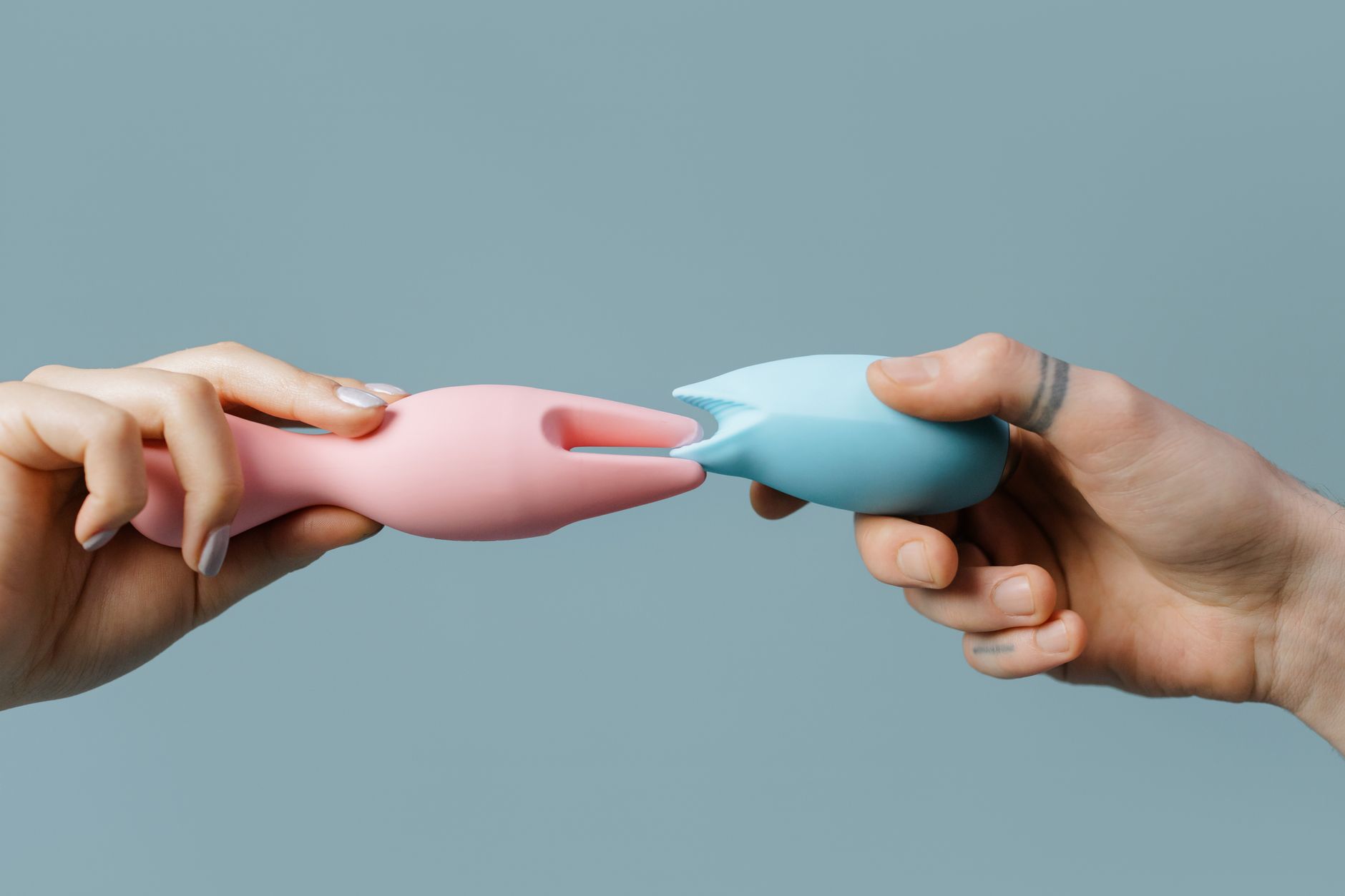
Photo by cottonbro studio on Pexels
Why lemon vibrators break the performance cycle
A clitoral vibrator like a lemon sucker does something specific: it takes the outcome off your shoulders. You're not responsible for creating arousal anymore. The vibrator is handling that part. Your only job is to notice what happens.
That shift from "make it work" to "let it work" is clinical. It's not about the toy being magical. It's about removing the goal from the equation. When you're using a lemon clitoral vibrator, the pressure to perform transfers to a device. Weirdly, that feels like permission.
Most people report that the first time they use a lem vibrator in this context, something changes. They stop checking in with themselves about whether they're on track. They actually feel sensation instead of narrating it.
The specific ways this changes the dynamic with a partner
If you're in a relationship, a lemon vibrator does several things that matter:
It reframes the moment. Instead of "Will this work?" the conversation becomes "Let's try something different." That's less pressure, more curiosity.
It gives both of you a focus point. Instead of you performing and your partner watching to see if you're performing, you're both paying attention to the vibrator and how your body responds. That's collaborative instead of evaluative.
It normalizes that you need something different sometimes. And honestly, you do. People who've been socialized to perform sexually often need years of permission to actually want something. A toy can be the first time you ask for what you need without apologizing.
It breaks the tracking habit. When you've been anxious about arousal for years, you develop this constant internal monitor. Am I wet enough? Am I coming? Is it happening fast enough? Lemon vibrators, especially the air-suction design, pull your attention outward. You're feeling the actual sensation instead of checking your progress.
What happens when you separate desire from duty
Here's a pattern I see almost every time: someone comes in convinced they have low libido. They've been faking interest, showing up but not really there, treating sex like an obligation. Six months later, after they've given themselves actual permission to explore pleasure on their own terms, they realize their libido was never the problem. The pressure was the problem.
Once you've felt what it's like to want something without checking whether you're supposed to want it, the whole dynamic shifts. Your partner notices. They stop performing too. Sometimes that's the first real sex a couple's had in years.
A lemon clitoral vibrator isn't the cause of that shift. It's the tool that makes the shift possible because it removes the audience from your own pleasure.
The solo piece matters more than people think
If you're partnered, using a lemon vibrator alone first is actually really important. Not because you need to "learn your body" (gross framing). But because you need to experience what arousal feels like when nobody's watching. When you can't perform badly because you're not performing at all.
That's the baseline. Once you know what your actual sensation feels like, you can recognize it when you're with someone. And you can speak up if the conditions aren't supporting it.
FAQ: Performance pressure and lemon vibrators
Why do vibrators help with performance anxiety when the anxiety is about the relationship, not the vibrator?
Performance anxiety has two layers: the actual neurological one (sympathetic activation prevents arousal) and the relational one (feeling watched or evaluated). A vibrator addresses the first layer directly. And it often shifts the second layer because it's a permission slip. You're not asking your partner to magically know what you need. You're showing them. That removes the "are they disappointed" question from the room.
Can using a lemon vibrator make my partner feel like I don't want them?
Not if you talk about it first. The conversation matters more than the toy. "I get in my head during sex and it stops me from feeling anything. I want to try something that helps me be more present with you." That's not rejection. That's actually the opposite. You're saying you want to show up more fully.
How long does it take before you stop feeling self-conscious about using a vibrator during partnered sex?
Typically? A few uses. The self-consciousness comes from the idea that it should be unnecessary. Once you realize it's just a tool for your nervous system, like wearing glasses or using lube, the weirdness evaporates. Your partner's response matters too. If they're curious instead of threatened, you're done in two or three times.
What if the performance pressure is about coming at all, not coming fast enough?
Same solution, slightly different reason. If you've never had an orgasm or it's been years, the pressure you're under is brutal. A lemon clitoral vibrator is one of the most reliable ways to reach orgasm because the air-suction technology stimulates thousands of nerve endings without the pressure sensitivity of traditional vibration. It's not magic. It's just efficacy. Once your body knows it's possible, the anxiety starts to lift.
Should I hide the vibrator or be open about it?
Totally open. A lemon vibrator in your nightstand sends the message that you take your pleasure seriously. That's not shameful. That's healthy. If your partner has a problem with you prioritizing your own arousal, that's not a vibrator problem. That's a communication problem worth addressing separately.
What if my partner suggests a vibrator and I feel rejected?
That's worth unpacking, but not with the vibrator. Their suggestion probably isn't about you. It might be about them wanting to be able to satisfy you and feeling stuck. It might be about wanting you to feel good. Ask them. And separate that conversation from whether you actually want to use a lemon clitoral vibrator. Your answer shouldn't be yes because you feel obligated or no because you feel criticized. It should be yes or no based on what actually sounds good to you.
The actual point of all this
Performance during sex is a myth. There's nothing to perform. There's just sensation, attention, and permission. Lemon vibrators help with permission. Once you've felt what it's like to be present in your own pleasure without watching yourself do it, partnered sex gets infinitely better because both of you can stop acting and start actually connecting.
If you're feeling stuck in performance mode, reaching for a tool to help you shift out of it isn't giving up. It's the smartest move you can make. Get Lemon Toy makes clitoral vibrators designed to help you notice what you actually feel instead of checking whether you're doing it right. Because doing it right stops mattering once you're actually feeling something.