
Here's the thing about sexless marriages
They usually don't start with a decision to stop having sex. They start with missed nights, then skipped weeks, then you look up and realize it's been months. Sometimes years. And by then, restarting feels so awkward that not having sex becomes easier than the conversation about having it again.
I work with couples in this exact situation all the time. It's one of the most common struggles I see, and it's almost never about attraction or commitment. It's usually about disconnection, stress, or bodies that have forgotten how to respond.
Why sexless marriages happen (and it's not what you think)
Most people assume a sexless marriage means the relationship is over. That's backwards. Most couples in this situation still love each other. They're just stuck in a loop where:
One partner feels rejected, so they stop initiating. The other partner feels the pressure lift, so they don't initiate either. Both feel relief, then shame, then distance hardens into routine.
Other times, it's physical. Hormonal changes, medication side effects, stress cortisol crushing desire, or pelvic pain that never got treated properly. One person stops wanting sex because their body stopped cooperating, and their partner interprets it as rejection of them.
Sometimes it's identity. You've been so many things for so many people (parent, employee, caregiver) that you've lost track of who you are when you're alone. When you don't know your own body, inviting someone else into it feels impossible.
Why reconnecting alone matters before reconnecting with your partner
Here's what I tell couples when this conversation comes up: you can't build shared desire from an empty well. If you've spent years not touching yourself, not exploring, not knowing what feels good, you don't have a baseline to work from with a partner.
Lemon vibrators become a turning point here, and not for the reason you might think. Yes, they work physiologically. The suction motion on the clitoris bypasses the friction that can feel uncomfortable or numb after years of disuse. They're intensely satisfying solo.
But the real shift is psychological. When you give yourself permission to explore pleasure alone, something changes. You're not performing. You're not managing someone else's feelings. You're just you, discovering what your body still wants and needs.
I've had clients tell me that their first orgasm with a lemon clitoral vibrator after a decade of sexless marriage wasn't just physical. It was emotional. It was proof that their body still worked, still deserved attention, still mattered.
What solo pleasure restores (that your relationship needs)
Three things happen when you start using a lemon vibrator to reconnect with your own pleasure:
Your nervous system recalibrates. You remember what arousal feels like. Your body remembers the pathway from calm to turned on. That's not a small thing when you've been in shutdown mode for years. Your brain literally needs to re-map that territory.
You rebuild trust in your own body. If you've experienced sexual pain, medication side effects, or just years of numbness, you've probably learned not to trust that your body will cooperate. Using a vibrator that actually works teaches you: yes, your body can still feel this. Yes, you can still respond. That confidence changes how you show up with a partner.
You create language for what you want. When you know what a lemon vibrator does for you, you can actually explain it to your partner. "I need longer warm-up time." "Suction feels better than friction right now." "I want to start here, not here." Specificity dissolves shame.
How to transition this back into your marriage
Timing matters. You don't announce this to your partner. You explore solo, get comfortable, feel the confidence rebuild. Then, when you're ready, you might tell them.
Some couples find that one partner using a clitoral vibrator during partnered sex is the restart they needed. It removes the pressure for one person to be the sole source of pleasure. It shifts sex from "does my partner want me" to "we're both here, we're both enjoying this."
Other couples find that the confidence you build solo is enough to restart the conversation. You're not coming from "I'm broken and we need to fix this." You're coming from "I've remembered what I like, and I'd love to explore it with you."
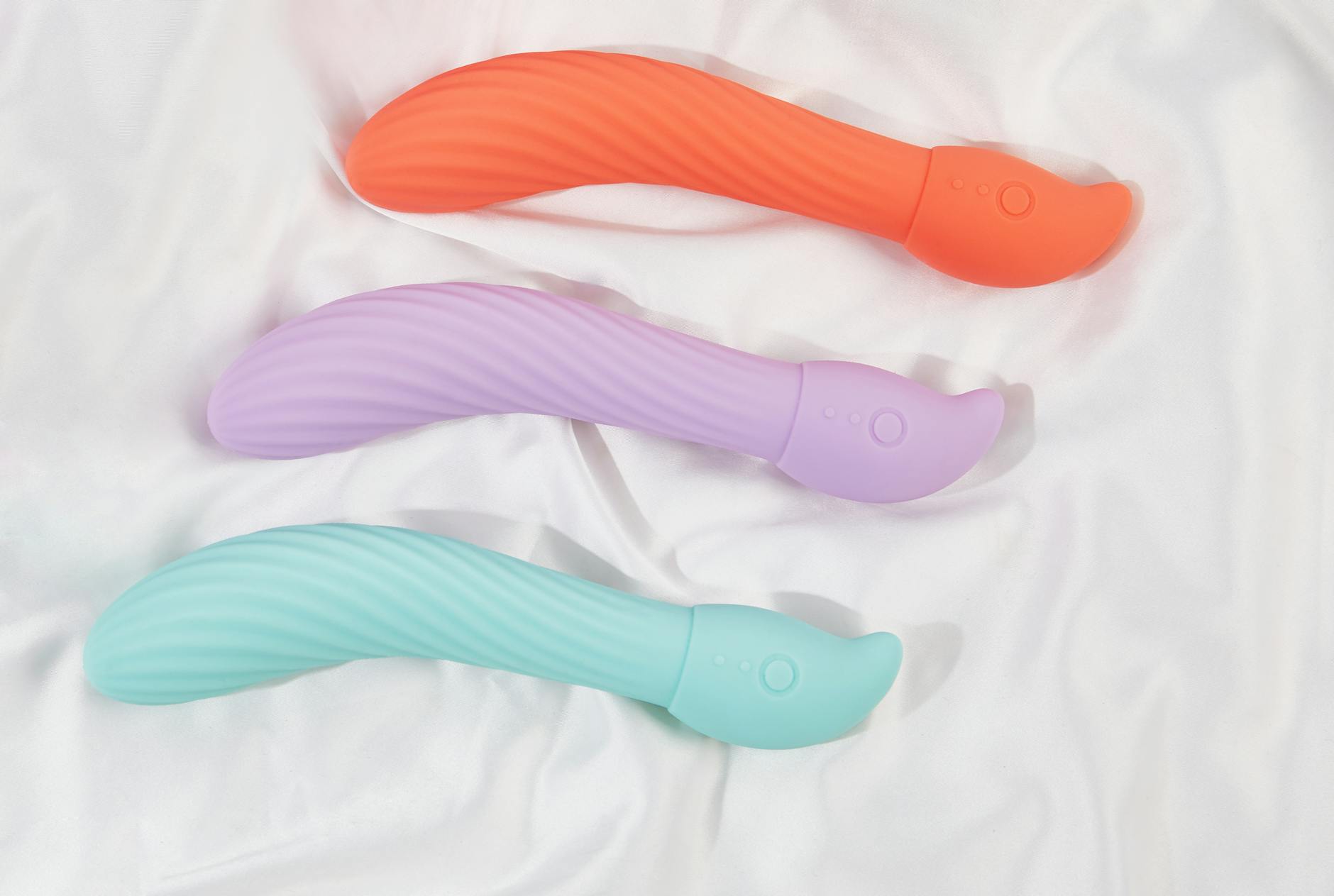
Photo by IFONNX Toys on Pexels
The conversation with your partner (after you've reconnected with yourself)
If you've been using lemon vibrators solo and you want to involve your partner, here's how I recommend framing it:
Not: "Our sex life is dead and we need to fix it."
Yes: "I've realized I want to feel more, and I've found something that's helping me reconnect. I'd love to share that with you."
Not: "You haven't been doing it for me."
Yes: "I want to explore this together, and I think it'll feel good for both of us."
The difference is ownership. You're not making your partner responsible for fixing your pleasure. You're inviting them into something you've already started.
Some partners are excited. Some need time. Some need reassurance that using a vibrator doesn't mean you don't want them. That's a real conversation, and it's worth having. But you can't have it from a place of resentment or desperation. You have to have it from a place of knowing what you want.
When sexless marriages need more than this
Lemon vibrators are powerful, but they're not a replacement for couples therapy if resentment has calcified or if one partner has checked out emotionally.
If you've been in a sexless marriage for years and you feel more like roommates than partners, that's relationship-level work. A vibrator can help you reclaim your own pleasure, but it can't rebuild trust or emotional connection that's been eroded by distance.
Similarly, if there's been infidelity, emotional abuse, or genuine incompatibility, pleasure tools can't band-aid over that. You need an actual therapist.
But if you're in a marriage where you both want to reconnect and you've just lost the pathway, then yes. Start with yourself. Use a lemon clitoral vibrator to remember what your body can do. Let that confidence ripple outward. Then, invite your partner to notice the change.
Most couples I work with who've restarted physical intimacy after a sexless period tell me the same thing: it wasn't about willpower or date nights or even better communication. It was about one partner deciding that their pleasure mattered, and that decision changing everything.
People also ask
How long does it usually take to restart sex after a sexless marriage?
There's no universal timeline, but I usually see couples begin reconnecting within weeks of one partner addressing their own pleasure separately. The key is consistency. Using a lemon vibrator solo 2-3 times a week for four weeks teaches your nervous system something different. Your partner notices the shift even if you don't tell them. Then, when you do invite them back in, there's less resistance.
Is it normal to feel guilty using a vibrator in a sexless marriage?
Completely. You might feel like you're being disloyal or avoiding the real problem. You're not. Reconnecting with your own pleasure is the foundation for reconnecting as a couple. Guilt usually fades once you experience how different you feel after a few weeks of solo exploration. Your body has been waiting for permission.
Can my partner feel threatened if I use a lemon vibrator?
Some partners do initially, especially if sex has been absent and suddenly you're exploring pleasure without them. That's actually a useful conversation to have. You might say: "I'm not doing this instead of us. I'm doing this to remember what I like, so that when we're together, I can actually be present." Honesty reduces threat. Secrecy increases it.
Should I tell my partner I'm using a lemon vibrator if we're in a sexless marriage?
Eventually, yes. But timing matters. Reconnect with yourself first. Feel confident in your own pleasure. Then, when you tell them, you're not coming from desperation or blame. You're sharing something that's made you feel good. That's a very different conversation.
What if my partner refuses to restart sex even after I've reconnected with my own pleasure?
That's a choice they're making, and it matters. You've done your part. You've addressed your own desire and body. If they're still unwilling to engage, that's not a vibrator problem. That's a relationship problem that probably needs couples counseling or a hard conversation about what you both actually want from this marriage.
Can lemon vibrators help if I've lost sensation from stress or depression?
Yes. Stress and depression numb desire and sensation. A clitoral vibrator works by bypassing that numbness through suction stimulation. It gives your nervous system a clear signal: you can still feel this. That often breaks the freeze. But if depression is severe, address that first. Pleasure returns when your baseline mood shifts.
The real restart happens inside you first
Sexless marriages aren't about love ending. They're about connection getting stuck. And connection restarts when one person decides their own pleasure matters enough to explore it.
A lemon vibrator is a tool. What it actually does is give you permission. Permission to feel good. Permission to want something. Permission to believe your body still deserves attention.
That permission changes everything. Start there. The rest follows.
If you're ready to explore what solo pleasure could shift in your marriage, I'm here to help. Reach out if you want to talk through what might work for your relationship, or if you need guidance on how to have this conversation with your partner. You don't have to navigate this alone.