The medication helped. The side effect didn't warn you.
You started the new medication because you needed it. Maybe it was an antidepressant, a blood pressure med, or something for anxiety. And it worked. You felt better mentally, more stable, less panicked. Then somewhere around week three, you noticed: desire had flatlined. Your partner touches you and you feel nothing. You think about sex and feel... nothing. It's not that you don't want to want it. You just don't.
This is one of the most underreported side effects in medicine because nobody warns you it's coming, and when it does, shame gets in the way of asking for help. You start to wonder if the medication revealed something true about you. Maybe you don't actually want sex. Maybe the desire was never real. It was.
Here's what's actually happening in your body and why lemon vibrators offer a different kind of solution.
Why medication kills desire (and it's not in your head)
Many psychiatric and cardiac medications work by either increasing serotonin or decreasing norepinephrine. These same neurotransmitters control arousal. SSRIs (selective serotonin reuptake inhibitors) are brilliant at managing depression and anxiety but terrible at maintaining libido because they dampen the neural pathways that light up desire.
Blood pressure medications, certain antihistamines, and even some hormonal contraceptives can flatten arousal through different mechanisms. Some block dopamine, which drives wanting. Others reduce genital blood flow or dull sensation.
The science is clear: it's not psychological avoidance. It's neurochemistry. And here's the hopeful part: neurochemistry can be worked with.
The waiting game doesn't always work
Your doctor probably said one of two things: either "your body will adjust in a few weeks" or "if it doesn't, we can add another medication to counteract it." The first statement is sometimes true. Your body does sometimes adjust after 6-8 weeks. But it also doesn't always. Some people wait months and never get baseline desire back while on the medication. The second option (adding a second med to fix the side effect of the first) often works but feels like doubling down.
What most doctors don't talk about is a third option: using direct physical stimulation to bypass the neurotransmitter problem altogether.
How clitoral vibrators work around the neurochemical block
When desire is chemically suppressed, the neural pathways for arousal are still there. They're just quiet. A lemon clitoral vibrator works because it doesn't wait for your brain to send a desire signal. It speaks directly to your nerves. The suction and pulsation activate the clitoral network without requiring the dopamine or serotonin that your medication is interfering with.
This isn't about forcing yourself into arousal you don't feel. It's about creating a sensation strong enough that your body responds before your medicated brain catches up. Over time and with consistent use, you often rebuild the neural pathway. The sensation starts to feel familiar again. Your body remembers what pleasure feels like.
Lemon vibrators specifically work well for medication-related libido loss because they don't rely on the same kind of friction that numbed tissues respond poorly to. The air-suction technology stimulates intensely without requiring direct pressure, which means people on medications that reduce genital sensation often feel more than they would with traditional vibrators.
Rebuilding desire in stages
Here's what I typically recommend to my clients who are in this situation:
Stage one: sensation mapping. Use your lemon vibrator or a similar clitoral vibrator in a completely pressure-free way. Just the feeling, no goal. Spend 10-15 minutes exploring what you actually feel, even if it feels distant. This is data collection, not performance.
Stage two: frequency and routine. Use the vibrator 3-4 times per week, same time of day if possible. This creates a ritual that your body starts to anticipate. Anticipation itself is arousal.
Stage three: anchoring to pleasure. Once you start feeling something, pair the vibrator with something else that's pleasurable. Music you love. A partner's presence nearby (they don't have to be doing anything, just present). This rewires your brain to associate the sensation with positive context.
Stage four: expansion. Slowly introduce other touches or thoughts. The goal is to gradually lower the intensity you need to feel something.
Many people find that after 4-6 weeks of consistent use with a lemon clitoral vibrator, baseline sensation returns. Not all of it. Not necessarily to where it was before. But enough that sex doesn't feel like going through motions.
Timing matters more than you think
The phase of your menstrual cycle (if applicable) affects how much sensation you'll feel, especially when you're on medications that already dull it. If you menstruate, you'll likely feel more just before ovulation. That's not a bad time to introduce the vibrator and do your sensation mapping. Your body is naturally more responsive.
If you don't menstruate or you're on continuous hormonal birth control, the timing is less critical, but consistency is. Once per day, same time, is better than sporadic use. Your nervous system responds to pattern.
Talking to your doctor (and your partner)
Mention the side effect to your prescriber. There are three possible outcomes: they swap your medication to something with fewer sexual side effects (fluoxetine and buspirone have lower rates), they add something to counteract it, or they tell you to wait it out. All three are valid approaches. This one isn't meant to replace medical adjustment. It's meant to work while you're figuring that out.
If you have a partner, the conversation is different. This isn't about fixing yourself to be a better lover. It's about reclaiming something the medication took. A partner who loves you will want to support that. If they don't understand why it matters, that's a different conversation to have, but it's worth having.
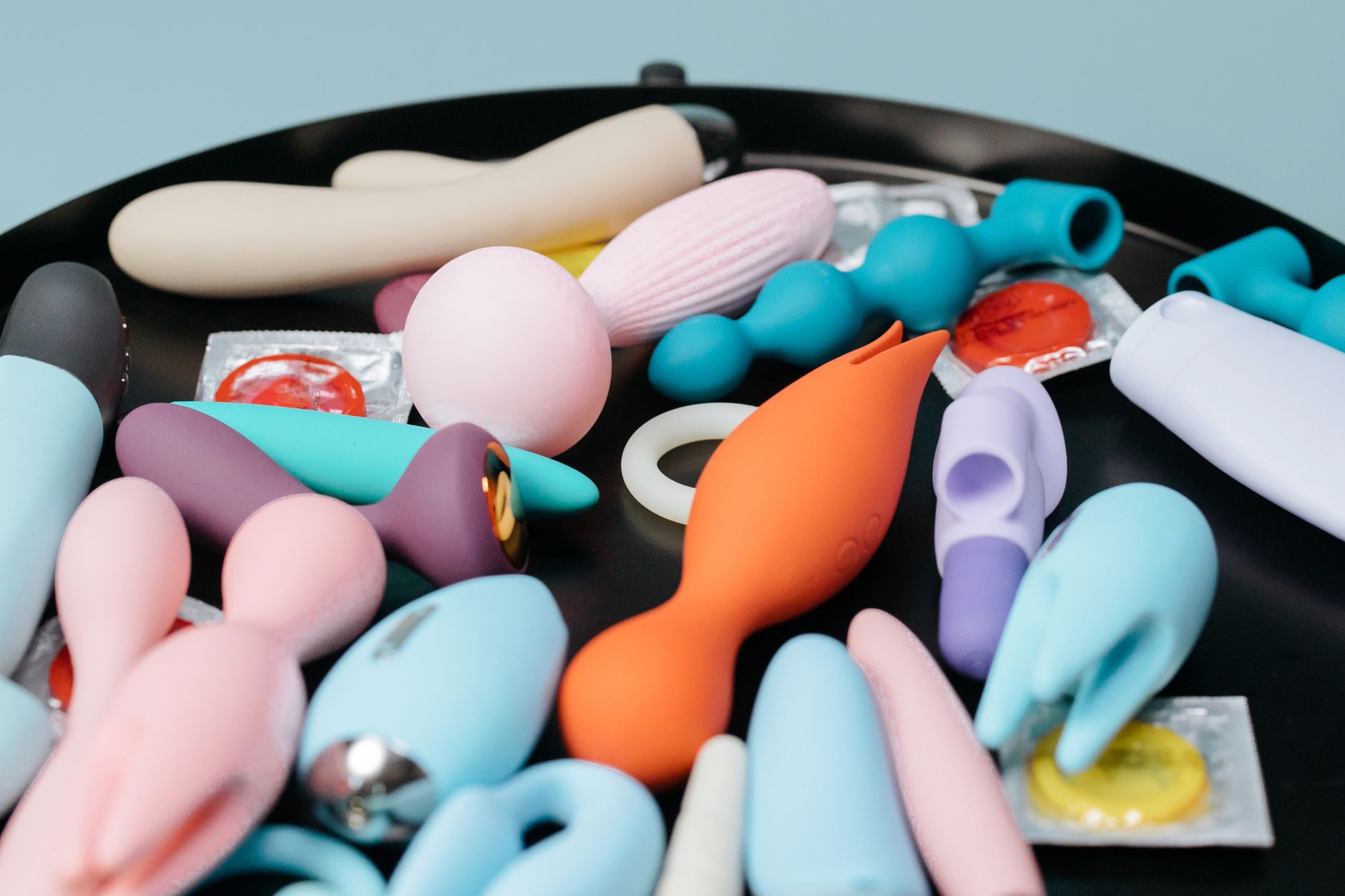
Photo by cottonbro studio on Pexels
When to consider a medication change
If three months of consistent use with a lemon vibrator or other clitoral vibrator hasn't shifted sensation at all, talk to your doctor about switching meds. Some people's neurochemistry responds to direct stimulation. Some people's doesn't. There's no shame in that. The medication helping your mental health is non-negotiable. Sacrificing sexual function forever because of a medication side effect is also not acceptable.
Many antidepressants have lower sexual side effect profiles. Wellbutrin (bupropion) and buspirone are two common examples. Some psychiatrists are willing to strategically time doses (taking SSRIs at night so the peak concentration isn't during your waking hours) to reduce impact. There are options.
The bigger picture: medication and identity
Here's something I see happen all the time in my practice. Someone starts a medication that helps their mental health but kills their desire, and they grieve it like they've lost an identity. And that grief is real. You have the right to feel like the medication changed something essential about how you experience pleasure.
But rebuilding desire with a lemon vibrator or other intentional tools isn't about going back to exactly who you were. It's about staying on a medication you need and also honoring your right to feel good in your body. Those two things aren't contradictory.
You can be stable and also sexual. You can be on psychiatric medication and also feel desire. They coexist in the same nervous system. It just takes a little rewiring.
People also ask
How long does it take for a lemon vibrator to help restore libido after antidepressants?
Most people start noticing a shift in sensation within 2-3 weeks of consistent use, but real restoration of baseline desire often takes 4-8 weeks. This depends heavily on which medication you're on, how long you've been on it, and your individual neurochemistry. Some people feel a shift after a week. Some people plateau after a month and need a medication adjustment. The vibrator works best as part of a broader conversation with your doctor.
Can I use a lemon vibrator if I'm completely numb down there?
Yes. In fact, lemon vibrators often work better than traditional vibrators when sensation is low because the suction mechanism stimulates more intensely without requiring the direct friction that can feel irritating on numb tissue. Start at lower intensity settings and gradually work up. Complete numbness might indicate something that needs medical evaluation, but it's worth trying with your doctor's support.
Should I use a lemon vibrator or try something else first?
Lemon vibrators and other air-suction devices are often the best choice for medication-related numbness because they deliver intense, broad stimulation without requiring pre-existing sensation. But personal preference matters. Some people respond better to a traditional vibrator. Some prefer a wand. The key is consistency, not the exact tool. That said, <a href="/blog/why-lemon-vibrators-work-better-than-traditional-vibrators-for-clitoral-sensitivity">lemon vibrators often outperform traditional vibrators for low-sensation situations</a> specifically because of how they're designed.
What if my partner thinks I should just "push through" the desire loss?
That's worth addressing directly. Low libido from medication is a real, physiological side effect. It's not laziness or lack of attraction. Your partner's job isn't to ignore it or pressure you through it. It's to understand that you're working on it and to be patient while you figure out what helps. If they can't do that, that's information about the relationship, not about your body or your medication.
Do I need to tell my partner I'm using a lemon vibrator for this?
That depends on your relationship and your comfort. You don't owe anyone access to your body's private healing process. But many couples find that transparency actually deepens intimacy. Instead of your partner wondering why you're avoiding sex, they understand you're actively working to reconnect with desire. Some partners even want to be part of it. You get to decide.
Can I use a lemon vibrator and still stay on my medication?
Absolutely. Using a vibrator doesn't interfere with your medication. It's a tool for stimulating sensation while your neurochemistry is being affected. The goal is to rebuild your body's capacity to feel pleasure while you stay on a medication that's helping your mental health. If after several weeks the vibrator isn't shifting things, that's when to talk to your doctor about adjusting the medication itself.
The bottom line
Low libido from new medication is a real side effect with a real solution. It might look like a lemon vibrator or another clitoral vibrator. It might look like a medication adjustment. It might look like both. The important part is that you don't have to choose between mental health and sexual pleasure. Your body can have both. It just needs the right tools and a little patience to get there.