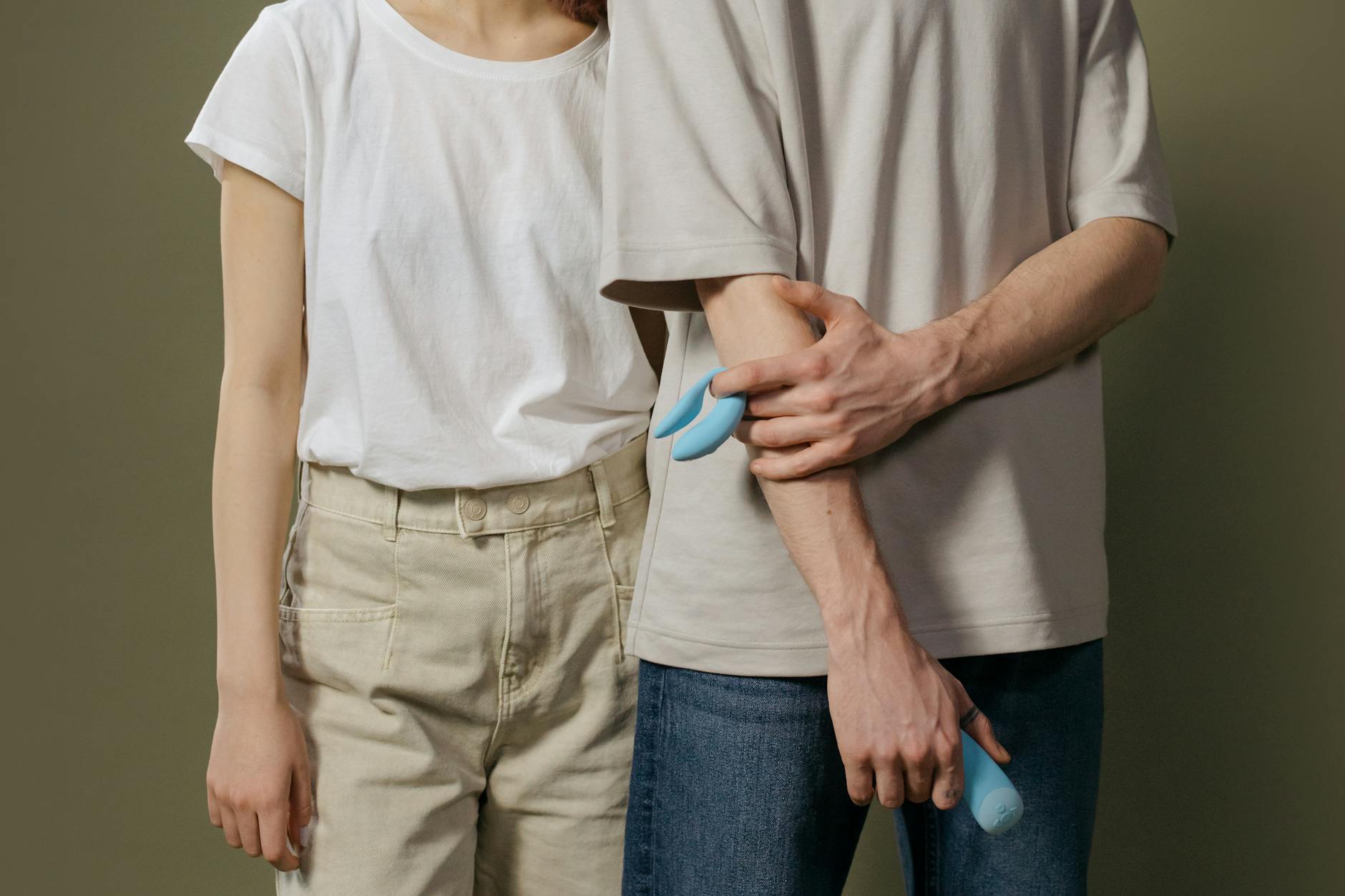
When penetration isn't an option
Let's be real: your body sometimes needs a break from penetration. Maybe you're recovering from childbirth, surgery, or injury. Maybe trauma means your nervous system flinches at the thought of anything inside you. Maybe you're dealing with vaginismus or vulvodynia where penetration causes actual pain. The common thread isn't shame or dysfunction. It's that your body has legitimate reasons for saying no right now.
Here's the thing nobody tells you clearly enough: pleasure doesn't require penetration. Full stop. And when you're healing, clitoral vibrators like lemon toys can unlock sensations that feel safer, more controllable, and honestly more satisfying than what you were doing before.
Why penetration avoidance is actually smart
After trauma, injury, or certain medical conditions, your pelvic floor tightens involuntarily. This isn't weakness. It's your nervous system doing its job: protecting you. Trying to push through that tightness during penetration reinforces the protective pattern and can extend recovery by months.
When you avoid penetration temporarily and focus on external stimulation instead, three things happen. First, your nervous system learns it's safe to relax because nothing is moving inside. Second, your body remembers pleasure exists without that threat. Third, you rebuild confidence in your own desire on your own timeline.
The science backs this up. Trauma-informed sex therapy consistently recommends external-only stimulation during early recovery phases. You're not being overly cautious. You're being strategic.
How clitoral vibrators fit into recovery
Lemon vibrators and similar clitoral suction toys are particularly useful here because they work on sensation alone. No insertion required. No partner coordination needed if you're not ready for that yet. Just direct stimulation to the area with the most nerve density and the strongest capacity for pleasure.
The suction mechanism on toys like the Lem creates a specific kind of stimulation that many people find easier to control mentally than traditional vibration. You're not bracing against penetration. You're not managing anyone else's rhythm. You're just receiving sensation at the pace and intensity you choose.
For people recovering from trauma, that control is everything. If something feels too intense, you adjust immediately. If you need to pause, you pause. If you want to explore a specific pattern that feels good, you can repeat it endlessly without negotiating with a partner. That agency matters in rebuilding trust with your own body.
The nervous system piece (why this actually works)
Trauma lives in your nervous system, not just your mind. When you've experienced injury or trauma involving your genitals, your body has learned to protect that area by tensing up. Penetration triggers that protective response even if consciously you know you're safe now.
Clitoral stimulation bypasses that protective mechanism because nothing is entering the vaginal canal. Your nervous system doesn't perceive the same threat. This allows your arousal to build without fighting against your own defenses.
Over time, this rewires your nervous system's response. You practice experiencing pleasure without the associated tension. Your body gradually learns that pleasure and safety can coexist in this space. That learning carries over. Many people find that after weeks or months of clitoral-only pleasure, penetration becomes an option again if they want it. Not because they pushed through. Because their nervous system actually healed.
Starting with lemon vibrators if penetration feels off limits
If you're new to vibrators or exploring after a break, here's how to approach it practically.
Start in a space where you feel genuinely safe. Not just physically alone, but mentally clear. If you need to lock a door, do it. If you need dim lighting, do that. If background music helps you feel less vulnerable, play it. Your nervous system needs to register actual safety before pleasure can build.
Begin with the lowest setting on your lemon clitoral vibrator. Not because you're broken or overly sensitive, but because you're learning what works. Many people find they prefer lower intensities than they expected, especially early on. High intensity can feel overwhelming if your nervous system is in protection mode.
The suction pattern on lemon toys often feels less jarring than traditional vibration. That gentler sensation can be exactly what your body needs when you're rebuilding trust in pleasure. If you're working with a partner, they can be in the room but not involved. Their presence alone can help you feel safe, without adding performance pressure.
When penetration-free pleasure becomes your preference
Here's something I see regularly in my practice: people who start avoiding penetration for recovery reasons often discover they just prefer clitoral stimulation. The reason is simple. Penetration doesn't actually stimulate the clitoris very efficiently. The clitoral body extends inside the vulva, and the external part is where most of the nerve endings are.
When you use a lemon vibrator or similar clitoral toy, you're stimulating the most sensitive, most pleasure-responsive tissue directly. For many people, that creates stronger, more consistent orgasms than penetration alone ever did.
This isn't a consolation prize. It's a choice. And if after recovery you decide you want to reintroduce penetration as part of partner sex or solo play, great. But plenty of people realize they're happier doing exactly what they're doing now. That's valid.
Talking to a partner about this
If you're in a relationship, your partner might worry that penetration avoidance means sex is off the table. It's not. It just means the shape of sex changes temporarily.
The clearest conversation starts with your body's needs, not their feelings. "My nervous system needs me to avoid penetration right now because of [recovery/trauma/pain]. I still want pleasure and connection with you. Here's what that looks like." That frames the change as medical and temporary, not as rejection.
Many partners are relieved when you show them a lemon vibrator or similar toy. It means you're taking responsibility for your own pleasure rather than expecting them to solve something that's about your nervous system. And honestly, watching a partner find pleasure without you is often hotter than the alternative.
If your partner has trouble with this boundary, that's a separate issue worth exploring with a couples therapist. Your body's needs aren't negotiable.
Moving forward when you're ready
Recovery isn't linear. Some days penetration feels impossible. Other days you're curious. That's normal. Your nervous system is gradually learning that this space can be safe.
When you do feel ready to reintroduce penetration, start slowly. A partner's finger, not the whole thing. Short duration, high control. And keep the lemon vibrator involved. External clitoral stimulation during penetration actually makes penetration feel better for many people because you're hitting more nerve pathways at once.
But you don't have to get there. If clitoral stimulation is enough, it's enough. Your pleasure doesn't need to look like anyone else's.
FAQ
Can I use a lemon vibrator if I've experienced sexual trauma?
Yes, with a few important notes. Start in a space where you genuinely feel safe and in control. Use the lowest settings first. Go at your own pace, and pause or stop whenever you want. If trauma responses come up (flashbacks, panic, numbness), stop and give yourself space. A trauma-informed therapist can help you navigate this specifically. Hello Nancy doesn't replace therapy, but lemon clitoral vibrators are a tool many trauma-recovering people use successfully.
How long should I avoid penetration after childbirth?
Your OB-GYN can give you a timeline based on your specific recovery. Generally, six to eight weeks for vaginal delivery, longer for complications. But the timeline is flexible. If something feels wrong at week eight, you're not behind. Your body heals at its own pace. Many people find that using external stimulation like a lemon vibrator helps them reconnect with pleasure during this period without disrupting healing.
Will using only clitoral vibrators affect my ability to have penetrative sex later?
No. If anything, the opposite. When your nervous system relaxes around pleasure and your arousal muscles remember how to engage, penetration often becomes easier and more pleasurable if you choose it. You're not training your body to reject penetration. You're teaching it that pleasure is safe, period.
What if I feel numb when using a lemon vibrator?
Numbness is a common trauma response and doesn't mean the tool isn't working. Your nervous system might be protecting you from feeling too much too fast. Try shorter sessions, lower intensity, and focus on what you can feel rather than what you can't. If numbness persists after several sessions, work with a trauma-informed therapist. Numbness often shifts with nervous system regulation work.
Can my partner use a lemon vibrator on me if penetration isn't an option?
Absolutely. Many couples find that partner-applied external stimulation rebuilds intimacy and pleasure without triggering the penetration-avoidance response. The key is communication. Tell your partner what intensity feels good, what patterns help, and what doesn't. That feedback helps them feel involved and helpful rather than sidelined.
Is it normal to prefer clitoral stimulation over penetration after avoiding it?
Completely normal. The clitoris has way more nerve endings than the vaginal canal. When you're stimulating it directly with a lemon vibrator or similar toy, you're hitting the most pleasure-responsive tissue. Many people discover this preference during recovery and decide to keep going with it. That's not damage. That's clarity.