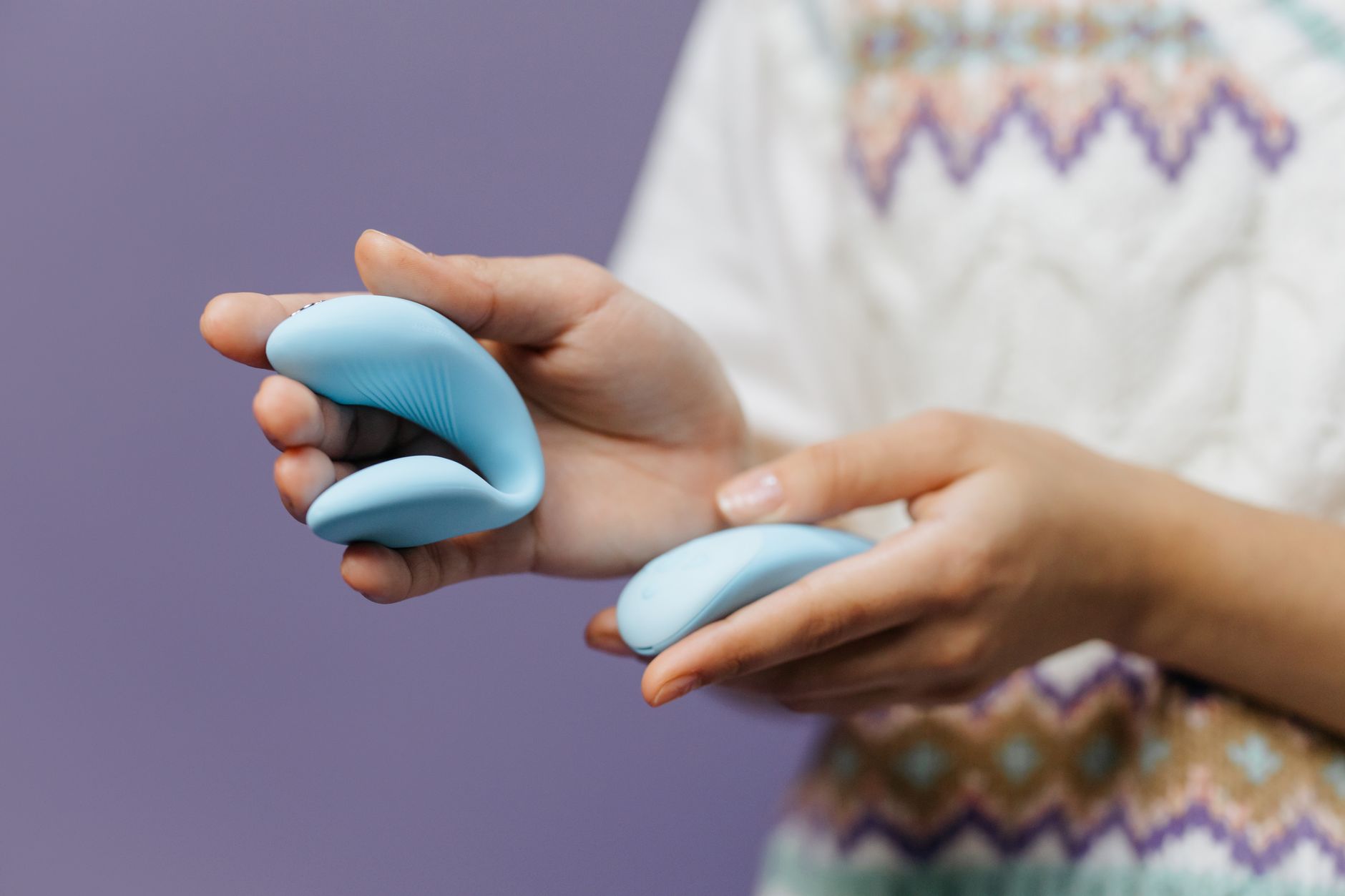
How to Use Lemon Vibrators for Better Results When Aging Affects Clitoral Sensitivity
Let's be real. Clitoral sensitivity changes over time. It's not a sign that something's broken. It's physiology.
Nerve density doesn't shrink, but blood flow does, hormones shift, and the tissue around the clitoris gets less elastic support from declining estrogen. That means it takes longer to feel aroused. Direct touch might feel sharper or duller depending on the day. And the kind of vibration that worked at 30 might feel totally different at 50, 60, or beyond.
Here's the thing nobody talks about: this is where air-pulse lemon clitoral vibrators like the Lem actually shine. They work with these age-related changes instead of against them.
Why aging changes clitoral sensation specifically
The clitoris has about 8,000 nerve endings in a space the size of a pea. Those nerves don't disappear with age, but the tissue around them does change. Estrogen supports collagen production and blood vessel elasticity. When estrogen drops (whether gradually through the 40s and 50s or suddenly post-surgery), that tissue gets thinner and less responsive to direct pressure.
This isn't menopause-exclusive either. Hormonal shifts happen across aging. Medications like SSRIs and blood pressure drugs can reduce clitoral sensation. Pelvic floor tension from decades of holding stress literally restricts blood flow to the area.
But here's what's crucial: nerve sensitivity doesn't decline. Your clitoris can still feel pleasure intensely. You're just feeling it differently.
Why lemon vibrators work better than traditional vibrators for age-related sensitivity changes
Traditional vibrators work by rapid oscillation. They shake back and forth, thousands of times per second. If your clitoral tissue is thinner or more sensitive from age, that can feel overwhelming or numb at the same time, which is incredibly frustrating.
Lemon suction vibrators use air-pulse technology. They create gentle suction and release, which stimulates the nerve clusters without the grinding sensation of traditional vibration. Think of it like the difference between someone squeezing your arm and someone stroking it. Both sensations exist, but they recruit different nerve pathways.
For aging clitorises, this matters because air-pulse:n- Works on tissue that's become less elastic (it's gentler on thinner tissue)
- Creates broader sensation instead of concentrated pressure
- Builds arousal more gradually, which helps when your body needs longer warm-up
- Doesn't cause the numbness that sometimes follows intense vibration
The warm-up protocol that makes the difference
I tell most of my clients that aging changes warm-up time more than it changes capacity. Budget 20-30 minutes instead of 5-10. This isn't a problem. It's information.
Start by getting yourself genuinely aroused before the lemon vibrator touches your body. Read something, watch something, or fantasize. Get your mind engaged. Blood flow follows attention.
Once your body is responding (you'll feel warmth, your vulva will start to swell slightly), introduce the lemon vibrator on the lowest setting. Place it over your clitoris without any direct contact to the clitoral glans initially. You're aiming for the clitoral mound or the area around the clitoris.
At this stage, you're letting the suction patterns introduce sensation to the nerve endings without intensity. Spend 3-5 minutes here. You're not chasing orgasm. You're rebuilding responsiveness.
After a few minutes, you can shift to direct contact if it feels good. Many people with age-related sensitivity find they prefer to keep the vibrator one layer away (through underwear or just offset), which still delivers powerful sensation without the intensity.
Pattern cycling and why it matters
Most lemon clitoral vibrators have 5-10 different suction patterns. Here's what I notice with clients dealing with age-related sensitivity: switching patterns matters more than turning up intensity.
Instead of pushing to a higher power setting when sensation plateaus, try moving to a different pattern. Your nerve endings get used to repetitive stimulus. They literally stop firing as intensely. This is called sensory adaptation, and it's worse when you're aging because your baseline arousal is already slower.
But novelty wakes up the nerves. A new pattern feels like a completely different sensation even at the same power level.
Start on pattern 1 or 2. Stay there for 2-3 minutes. Then shift to pattern 3. Stay 2-3 minutes. Keep cycling. You'll notice when sensation intensifies. That's when you can stay on one pattern longer.
The angle and position adjustment most people miss
Clitoral sensitivity changes can be partly positional. If you're used to direct contact but age-related changes made that uncomfortable, try angling the vibrator differently.
Instead of straight-on pressure, try coming in from the side, or using a downward angle where the stimulation hits the upper shaft of the clitoris rather than the glans. This can feel less intense while still being highly pleasurable.
You might also find that lying on your back with legs relaxed works better than other positions because it reduces pelvic floor tension. Tension restricts blood flow, which worsens sensation. Relaxation opens it up.
This is worth experimenting with solo first so you know what works before bringing a partner into it.
Pelvic floor awareness and why it's connected
Most people don't realize that a tight pelvic floor actively reduces clitoral sensation. If you're holding tension in your pelvic floor (from stress, from past pain, from habit), blood can't flow as freely to the clitoris.
Before using your lemon vibrator, spend 2 minutes on pelvic floor relaxation. Lie down, breathe into your belly, and consciously release any tension from your pelvic floor. You're not doing kegels. You're the opposite of kegels.
Then use your vibrator. You'll likely notice the difference immediately.
Using lemon sexual toys with a partner when your sensitivity has shifted
If you're with a partner and your clitoral sensitivity has changed, this is a conversation starter, not a problem to hide. "My body feels different now, and I want to explore what works." That's all you need to say.
Your partner can hold the vibrator while you guide speed and pattern. This keeps them engaged and lets you focus on sensation without managing the device. It's also more intimate than solo use for many couples.
One note: If your partner was used to direct manual stimulation working, they might not realize they were stimulating you despite numbness, not because you were responding. The lemon vibrator can reveal just how much sensation was actually there all along, hidden under numb spots. This is information, not a sign of aging gone wrong.
When to layer additional support
If you've tried pattern cycling, positioning, and warm-up but sensation is still minimal, water-based lubricant can help. It improves slide and creates a better seal for air-pulse vibrators. More importantly, it feels good and reduces any friction discomfort.
You might also layer devices. Some people use a smaller lemon vibrator for broad sensation, then a wand for more concentrated stimulation. This isn't cheating. It's architecture.
The timeline: when to expect changes
Your nervous system responds to consistent stimulation. If you've been using the same vibrator the same way for years, introducing a lemon suction vibrator and cycling patterns will probably feel noticeably different within 3-5 solo sessions. Within 2-3 weeks of regular use, you'll likely feel genuine responsiveness shifts.
This isn't placebo. The nerves are literally waking back up through repeated novel stimulation and improved blood flow.
FAQ: Common questions about lemon vibrators and age-related sensitivity
How do I know if my reduced sensation is from aging or something else?
Reduced sensation can come from age, hormones, medication, pelvic floor tension, blood pressure issues, or lack of novelty. If you've been using the same vibrator the same way for years, the culprit might just be sensory adaptation. Try a different device (like a lemon air-pulse vibrator) using new patterns. If sensation returns, it was adaptation. If it doesn't change within 3 weeks, talk to your doctor.
Can I use a lemon clitoral vibrator if I also have neuropathy from diabetes or other conditions?
Yes, but start gentler. Air-pulse vibrators are often easier for neuropathy sufferers than traditional vibrators because they don't rely on direct pressure. However, if you have significant numbness, start on the lowest pattern and spend extra time on warm-up. Some people find that combining a lemon vibrator with warmth (a heating pad nearby) helps more blood flow to the area.
At what age do people typically notice clitoral sensitivity changes?
It varies wildly. Some people notice shifts in their 40s, some in their 50s, some never report significant changes. Hormones, overall health, stress, medications, and genetics all play a role. The important thing is that when it does happen, it's normal and workable.
Does using a lemon vibrator too much make sensitivity worse?
No, the opposite. Consistent use actually improves sensation over time because it maintains blood flow and keeps nerve pathways active. That said, if you're numb during use, take a break and come back when your body has reset. Using a vibrator while completely numb teaches your nervous system to ignore the sensation.
Should I switch lemon vibrators if my sensitivity keeps changing?
Not necessarily. Most lemon sexual toys have multiple patterns specifically for this reason. Pattern cycling gives you novelty without buying a new device. That said, if you've been using the same vibrator for 3+ years, trying a different one (even within the same brand) can create enough novelty to reset sensation.
Is it normal to need longer to orgasm now, even with a lemon vibrator?
Completely normal. Aging changes arousal arc. Your body might take longer to build but be just as capable of intense orgasm once you're there. This isn't a decline. It's a different rhythm. Honor it instead of fighting it.
The bottom line
Clitoral sensitivity doesn't disappear with age. It transforms. Lemon vibrators, with their air-pulse technology and pattern variety, work with these transformations instead of against them. Warm-up matters more. Positioning matters more. Novelty matters more. And that's not a limitation. That's an invitation to actually pay attention to what feels good, instead of running the same script that worked at 25.
Your pleasure is still there. You're just learning how to find it differently now. That's worth the time.
Have questions about how to get started? We're here to help.