Let's name the thing nobody wants to say
Your partner used to want you. Now they don't. Not because you changed. Not because they stopped loving you. Because a tiny human arrived and took up every available ounce of emotional and physical energy, leaving nothing left for desire. That's not a failure. That's parenthood.
But here's what happens next: resentment moves in quietly. You start keeping score. They feel guilty and withdraws more. You feel rejected and stop initiating. Within two years, you're not just a couple without sex. You're a couple without touch, without flirtation, without the basic language you used to speak to each other. And fixing that? It feels impossible when you're both running on fumes.
It's not impossible. But it does require honesty about what actually happened and a different path back in.
Why desire actually disappears after kids
It's not random. It's not a sign they're not attracted to you. Here's the physiology and psychology of what's really going on.
First, the practical part: your partner is genuinely touched out. If they've been physically managing a small body all day (feeding, bathing, comforting), their nervous system has zero bandwidth for sexual touch. It feels like one more demand. This is especially true if they've been the primary caregiver.
Second, the relational part: parenthood erases the boundary between roles. You're no longer a partner and a lover. You're two people managing logistics, dividing mental labor, and solving problems together. The dynamic that created desire shifts into pure function. Sex starts to feel like another task instead of a connection.
Third, the identity part: many people lose themselves in early parenthood. Their sense of who they are apart from "mom" or "dad" shrinks. When identity narrows, desire often goes with it. You can't want someone sexually when you're not sure who you are anymore.
None of this is about you.
The conversation that has to happen first
Before you introduce anything (including lemon vibrators, clitoral stimulation, or any physical solution), you need a conversation. Not during sex. Not during an argument. Over coffee, when kids are asleep or at school.
Here's what to say: "I miss us. Not just sex. The way we used to be with each other. And I know you're exhausted. I'm not angry. I'm sad. I want to figure out how to get some of that back."
Then listen. Don't problem-solve. Don't defend. Just hear what they're experiencing. Often they'll tell you something like: "I don't feel sexy anymore" or "I can't turn off the parent voice in my head" or "I feel like you only want me when you want sex." These are real barriers, and they matter more than any vibrator.
The goal isn't to convince them they're wrong. It's to move from blame to joint problem-solving.
How lemon vibrators shift the dynamic
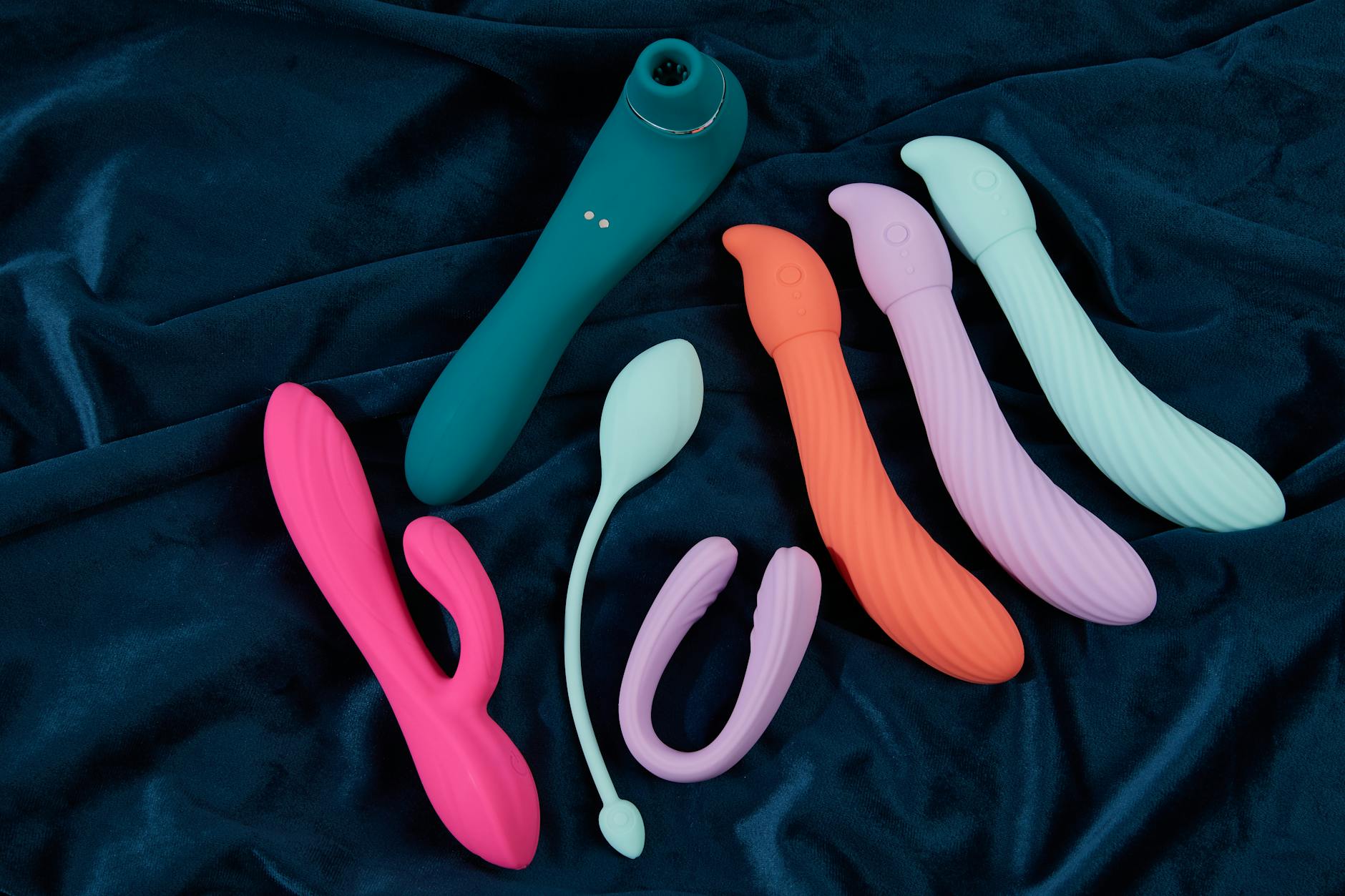
Here's where a lemon clitoral vibrator enters the picture. Not as a substitute for your partner's desire. As a bridge back to playfulness and touch.
Lemon vibrators work here because they're low-pressure. Unlike penetration, which can feel like "real sex" (and therefore another logistical project), clitoral stimulation with a lemon sucker vibrator can be faster, lighter, and genuinely playful. It doesn't require the same kind of physical stamina that exhausted partners struggle with.
Second, they introduce novelty. When desire is dead, novelty is one of the few things that wakes it up. A new sensation, a new toy, something you've never tried together. It signals: "This isn't a chore. This is something I want to explore with you."
Third, they redistribute power in a good way. If your partner has been saying no, introducing something that centers your pleasure can feel safer for them. It's not about convincing them to want you. It's about saying: "I'm going to care for myself. You're invited, but no pressure."
How to actually introduce it
Don't surprise them with a vibrator on the nightstand. That's not seduction. That's ambush. Instead, bring it up directly but lightly.
"I want to try something new. I found a clitoral vibrator that I think could be fun for us." If they push back, drop it. If they show any curiosity, invite them into the research. Let them look at it. No pressure to use it immediately.
When you do use it together, start small. Maybe you use it on yourself while they watch. Maybe they help you explore different settings. The goal is sensation and togetherness, not performance. If you reach orgasm, great. If you don't, also fine.
The real win is this: you've done something intimate together that required vulnerability and trust. You've made touch safe again. That's the foundation.
Rebuilding touch before sex
Lemon vibrators work best when they're part of a bigger conversation about touch. Here's what actually needs to happen first.
Start with non-sexual affection. Hand-holding. Sitting close. The kind of touch that doesn't demand anything. Many exhausted parents have learned to flinch when touched because they fear it's leading somewhere. Prove that touch can just be touch. Do this for at least a week before introducing any vibrator.
Then move to sensual but non-sexual touch. Give each other shoulder massages. Take a shower together. Let touch be about connection, not arousal. This sounds simple and it is. It's also the part most couples skip, and then wonder why introducing a toy doesn't help.
Once touch feels safe again, lemon clitoral vibrators become less of a novelty and more of a natural next step. You're not trying to manufacture desire from nothing. You're slowly rebuilding the foundation that desire sits on.
The conversation about fairness
Here's something I see in my practice constantly: one partner (often the one with lower desire) feels like sex has become all about the other partner's needs. They agree to sex partly out of guilt, partly out of obligation, and never because they actually want it.
Lemon vibrators can flip this if you're intentional. Instead of "Let's try this toy for you," the frame becomes: "I want to explore this together. We both deserve pleasure." Then you actually follow through. Use the vibrator on each other. Take turns. Make it genuinely mutual.
When a partner with lower desire realizes that introducing a toy means their pleasure matters too, something shifts. It's no longer about them accommodating you. It's about you both showing up for each other.
Realistic expectations
I need to say this clearly: introducing lemon vibrators will not fix a relationship where desire is dead because of deeper problems.
If you're in a relationship where there's contempt, criticism, defensiveness, or emotional stonewalling (what I call the "Four Horsemen" in my work), no toy will help. You need a therapist, not a vibrator. If there's infidelity, addiction, or abuse, a lemon clitoral vibrator is not the solution.
But if you're in a normal, loving relationship where parenthood just temporarily erased desire, then yes. Lemon vibrators can help you remember how to touch each other. They can introduce playfulness and novelty. They can signal that pleasure matters and that you're in this together.
Expect it to be slow. Expect awkwardness at first. Expect that maybe you'll try once and not try again for months. That's fine. You're rebuilding something that got lost. That takes time.
When to involve a therapist
If you have this conversation and your partner refuses to engage at all. If they say sex doesn't matter to them and they have no interest in rebuilding it. If you try slowly reintroducing touch and they consistently reject it. Then a couples therapist becomes essential.
Not because lemon vibrators didn't work. But because something deeper is wrong, and you both need professional support to figure out what that is.
What actually brings couples back
It's not one thing. It's the combination of honesty, patience, novelty, and mutual pleasure. Lemon vibrators check the last two boxes. Your willingness to talk about the hard stuff and your partner's willingness to try checks the first two.
If both of you show up, you can absolutely rebuild desire. It won't look like it did before kids. It will probably be less frequent. It might be different in how it feels. But it can be deeper, more intentional, and more connected to who you actually are now.
That's worth the effort.
People also ask
Can a lemon vibrator help if my partner is completely uninterested in sex?
Not on its own. A toy is a tool, not a solution to a relational problem. If your partner has zero interest in rebuilding intimacy, the conversation and possibly therapy come first. A lemon clitoral vibrator works when both people are willing to try, even if they're nervous or rusty.
How do I bring this up without making my partner feel pressured?
Frame it as something for both of you, not something you need from them. "I want to explore pleasure together" is different than "You're not doing enough for me." Keep the tone curious, not demanding. If they say no, respect it. Push back and you'll only deepen resistance.
Does using a vibrator mean my partner isn't enough?
No. A lemon sucker vibrator is a tool, like a book or music. It doesn't replace your partner. It enhances. Many couples find that using clitoral vibrators together actually brings them closer because it introduces playfulness and removes pressure.
What if my partner thinks vibrators are weird or wrong?
Many people feel that way initially because of how they were raised or what they were taught. Don't argue. Instead, share resources or research if they're open to it. Sometimes just seeing that millions of people use lemon vibrators helps normalize it. But ultimately, you can't force someone to be comfortable with something. You can only invite them and respect their answer.
How often should we use a lemon vibrator if we're rebuilding intimacy?
There's no rule. Once a week? Once a month? Whatever feels sustainable and mutual. The goal isn't frequency. It's consistency and the message that pleasure matters. Better to use a lemon vibrator once a month together and feel connected than to pressure yourself into using it twice a week and feel resentful.
What if we try and it's awkward or doesn't work?
It will be awkward at first. That's normal. The couples who successfully rebuild intimacy aren't the ones for whom it worked perfectly the first time. They're the ones who kept trying despite the awkwardness. Start slow. Laugh about it. Make fun of yourself. Vulnerability is what creates connection, and vulnerability often looks awkward.