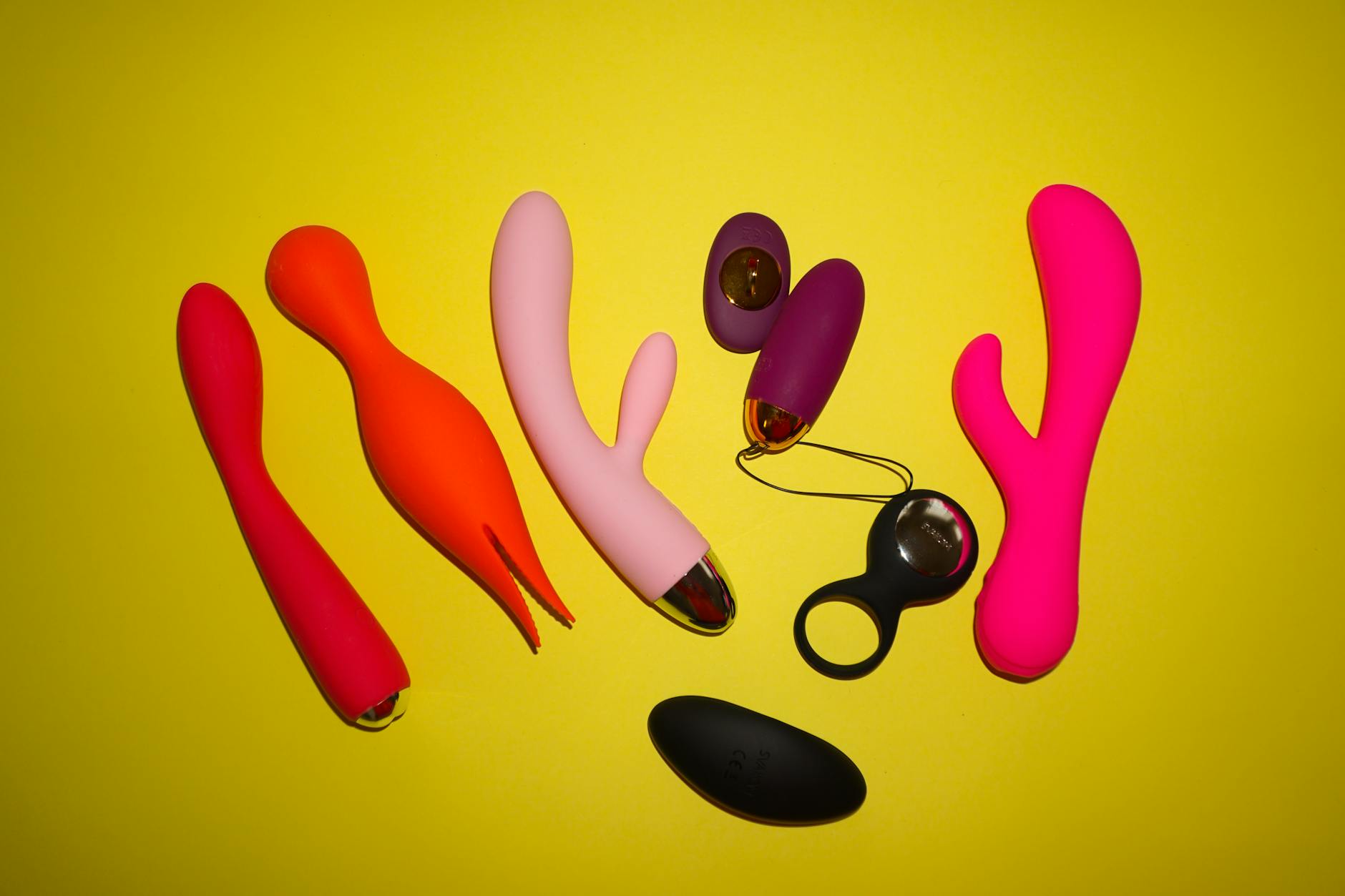
Here's what nobody tells you about perimenopause and sensation
Your hormones are shifting. That much you probably know. What nobody explains clearly is that the shift doesn't always move in one direction. For many people, perimenopause brings heightened clitoral sensitivity before it brings anything else. Your body feels more reactive, more responsive. What used to feel good suddenly feels too sharp. And your favorite clitoral vibrator, the one that's worked perfectly for years, now feels like it's on maximum when it's on pattern 2.
This is temporary. It's also fixable. And honestly, understanding why it happens makes the whole experience less scary.
Why perimenopause amplifies clitoral sensation
Estrogen fluctuates wildly during perimenopause. That's the headline. The actual mechanism is more interesting. Fluctuating estrogen changes blood flow to the clitoris. Increased blood flow makes tissue more engorged, which means the nerve endings are closer to the surface and more reactive to stimulation. You're not more sensitive because your nervous system is broken. You're more sensitive because your tissues are literally more responsive right now.
This doesn't happen to everyone, and it doesn't last forever. Some people cruise through perimenopause with stable sensation. Others experience it for a few months, others for a couple of years. The range is genuinely wide, and where you land is mostly luck and genetics.
Why your lemon vibrator suddenly feels different
You bought your clitoral vibrator years ago. You know exactly which pattern gets you there, at which intensity. Then one month, that pattern feels abrasive. Pattern 1 is suddenly livable. Pattern 3 is almost painful. What changed isn't your toy. It's your body's response to it.
Lemon vibrators like the Lem use suction, which is gentler than traditional vibration on sensitive tissue. But "gentler" is relative. When your clitoris is in a heightened state of reactivity, even gentle suction can overstimulate. The good news is that the fix doesn't require replacing your toy. It requires adjusting how you use it.
The pattern shift strategy
Start with pattern 1, always. Not because you've regressed or lost capacity. Pattern 1 at heightened sensitivity gives you the same actual stimulation you got from pattern 3 a year ago. The difference is how your tissue receives it.
Spend more time on lower patterns. Your arousal arc is still there. It just unfolds more gradually when everything's responding more acutely. Budget 20-30 minutes instead of 10-15. This isn't suffering through. This is actually better orgasms. People often report that slower, extended arousal at this stage produces deeper, more full-body release.
Let arousal build naturally before moving up patterns. Many people skip pattern 2 entirely when sensitivity is high. Don't. Stay on pattern 1 until you feel genuinely ready to shift. Then try pattern 2 for a while. This sequencing prevents the jarring overload that makes you want to stop.
The water-based lube adjustment that changes everything
Here's something counterintuitive. When your clitoris is extra sensitive, more lubricant actually helps. Not because you need it physiologically, but because a slick layer between your skin and the suction cup reduces friction and makes the sensation smoother instead of sharp.
Use water-based lubricant. Apply it generously around your clitoris and the rim of the suction cup. This isn't thin application. This is "looks like I over-applied" application. The excess prevents the cup from creating a tight seal that amplifies sensation. A slightly looser seal paradoxically feels more comfortable at high sensitivity.
Reapply mid-session if you need to. Water-based lubes dry out. One reapplication halfway through is normal and helpful. Keep the bottle nearby.
The positioning that reduces overload
Direct application straight-on is the standard move, but not when your body is amplified. Try indirect stimulation. This means positioning the suction cup slightly off-center, at an angle. You're still stimulating your clitoris, but you're distributing the sensation rather than concentrating it in one point.
Or try the side angle. Bring the Lem from the side rather than from directly above. This changes the angle of the suction and makes it feel entirely different. You might discover that what feels overwhelming straight-on feels perfect from a 45-degree angle.
Understanding the grief that can come with sensitivity shifts
I want to name something here that doesn't get named enough. When your body changes how it responds to pleasure, there's real grief in that. You lost something you knew how to do. You had a reliable path to orgasm, and suddenly that path is blocked or feels different. That's worth feeling sad about, even though this shift is temporary and even though it's ultimately fixable.
Talk to your partner, if you have one, about what's changing. Don't frame it as "something's wrong." Frame it as "my body's in a different season right now, and we get to figure out what this feels like together." That conversation itself often deepens connection.
When sensitivity is paired with pain
If heightened sensitivity is tipping into sharp pain, that's worth checking out. Vulvodynia and other conditions can flare during perimenopause. This is different from "it feels too intense." Pain is stabbing, burning, persistent even when you're not using your toy. Sensitivity is reactive and goes away when you stop stimulation.
If you're experiencing pain, see a provider before continuing. A good gynecologist or pelvic health specialist can distinguish between hormonal sensitivity and something that needs actual treatment.
The timeline and what to expect
Highened sensitivity during perimenopause typically peaks and then settles. For some people it resolves in a few months. For others it lasts a couple of years. You're not stuck here forever. Your body will find its rhythm again. Until then, adjusting your approach to your lemon vibrator isn't a compromise. It's you meeting yourself where you actually are.
Many people find that once they adjust to these lower patterns and slower rhythm, they don't want to go back. Even after sensitivity normalizes, they prefer the extended foreplay and deeper release. Perimenopause sometimes teaches you about pleasure you didn't know was available.
Quick reference adjustments
When sensitivity spikes, try this in order: Start pattern 1, add generous water-based lubricant, stay longer on lower patterns, try off-center or side positioning, increase total session time. Most people find that two or three of these changes are enough to get back to pleasure.
FAQ
Can heightened sensitivity during perimenopause damage my clitoris?
No. Heightened sensitivity is a tissue response to hormonal fluctuation, not damage. Your clitoris is resilient. What you're feeling is your body being more reactive to stimulation, not being harmed by it. As long as you're not experiencing sharp pain (which is different from intense sensation), you're not causing injury.
Should I stop using my clitoral vibrator during perimenopause?
You don't need to stop. You might need to adjust how you use it. Many people find that slowing down, using lower patterns, and adding lubricant makes pleasure totally accessible during this phase. Stopping entirely isn't necessary and often makes reconnecting to pleasure harder later.
Is heightened clitoral sensitivity during perimenopause normal?
It's common enough that it shows up in clinical conversations about perimenopause. It's not the norm for everyone, but it's not rare either. If it's happening to you, you're not alone and you're not broken.
How long does heightened sensitivity during perimenopause last?
There's no fixed timeline. For some people it's a few months. For others it's a couple of years. It eventually resolves as hormone levels stabilize. This phase is temporary, even when it doesn't feel temporary.
Can lubricant actually help with sensitivity that feels too sharp?
Yes. A generous layer of water-based lubricant smooths the sensation and prevents the suction cup from creating too-tight contact. This often transforms a sensation that feels sharp or jarring into something that feels comfortable. It's one of the easiest adjustments to make.
What if adjusting patterns and lubricant doesn't help?
If you're still experiencing sensation that feels unmanageable even with lower patterns, generous lube, and adjusted positioning, that's worth discussing with a gynecologist. Most of the time adjustment helps. Sometimes there's something else going on that a provider can identify and treat. Either way, you don't have to just accept discomfort.
What comes next
Your body is in transition. That doesn't mean your pleasure is paused. It means your pleasure is evolving. When you adjust your approach to your lemon vibrator to match where your body actually is right now, you're not compromising. You're honoring what's real. And often, you'll discover that slowing down and deepening into sensation teaches you things about pleasure you didn't know before. If you have questions about how your particular body is responding, or if sensation changes feel unmanageable, reach out to a healthcare provider or contact us to talk through what you're experiencing.