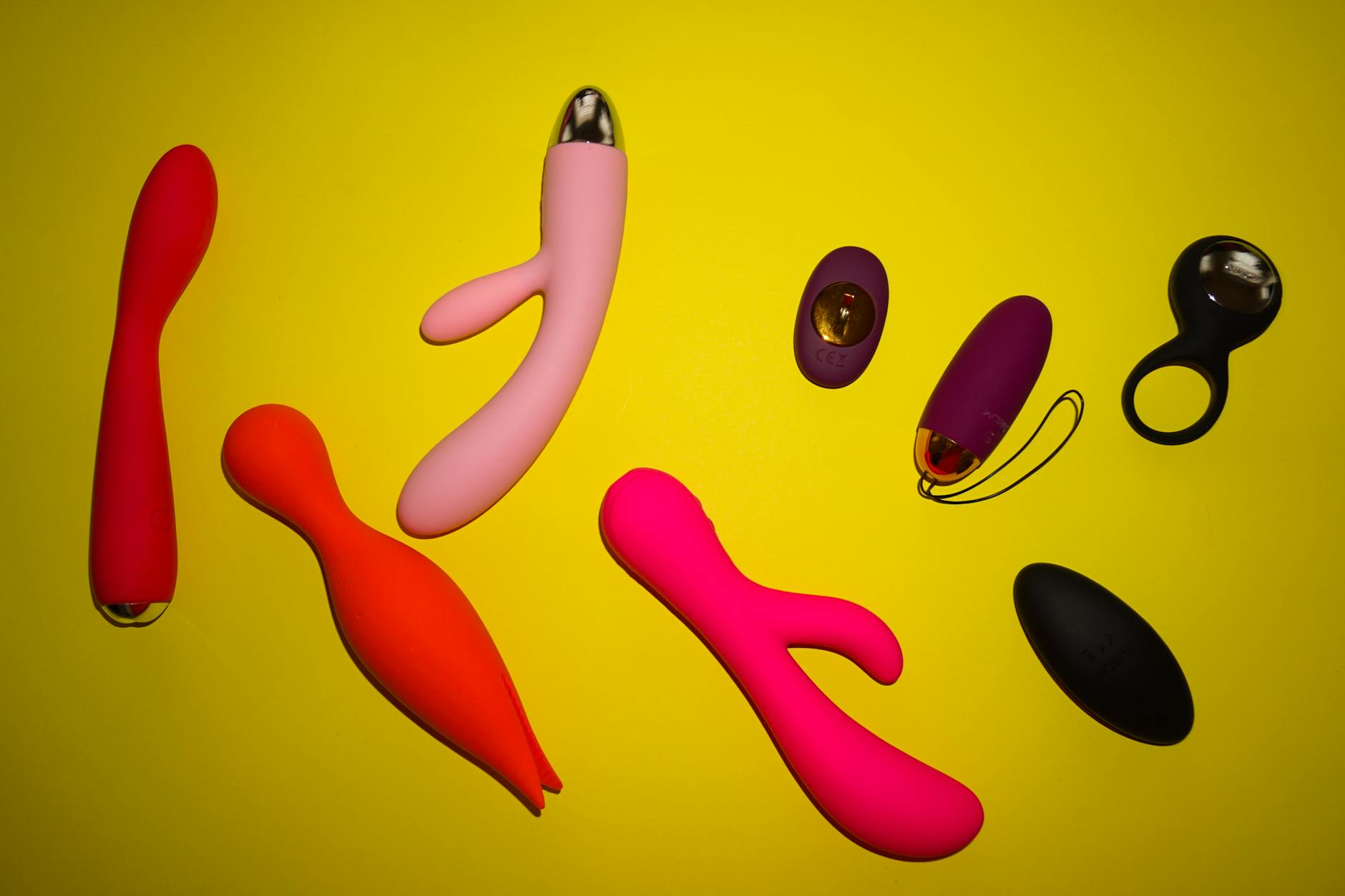
Here's the thing about introducing toys
The fantasy is that your new partner will be thrilled. The reality is messier. Some people feel threatened. Some feel relieved. Most feel a weird combination of curious and insecure, which means the conversation matters more than the toy itself.
I'm Evelyn, a marriage and family therapist, and I've watched hundreds of couples navigate this exact moment. The ones who do it well don't wing it. They think about timing, language, and what they're actually trying to solve.
Why you want to introduce a lemon vibrator now
There's a window in a new relationship where things feel playful and experimental. Early sex is often fun because there's no years of routine calcifying things yet. That's your advantage. You want to introduce clitoral vibrators like the Lem while pleasure still feels like exploration, not like something broken that needs fixing.
Wait too long, and introducing a toy starts to feel like a complaint. "I haven't been coming, and this will help" reads very differently than "I want to try this because it sounds fun." Both are honest, but timing changes the emotional charge entirely.
New relationship energy is also your cover. Everything feels novel. A lemon clitoral vibrator doesn't have to mean anything except that you like pleasure and you want to share it with them.
How to actually bring it up
Don't do it during sex. Don't do it right before. Don't do it when one of you is tired or stressed. Pick a normal moment, maybe a weekend afternoon or while cooking dinner, when you're both relaxed.
Start with curiosity, not request. "I've been thinking about trying something new" or "I'm really interested in exploring more of what feels good for my body" opens a conversation. "I want to use a vibrator during sex" sounds like you've already decided, which puts them on the defensive.
Listen to their first response. If they say nothing, they're nervous. If they ask questions, they're intrigued. If they're quiet, give them space to catch up. This is new information. They need a second to process it.
The most common fear underneath isn't actually about the toy. It's one of three things: "Am I not enough?" or "Does this mean there's something wrong with your body?" or "Will this change our sex?" Address the fear, not just the toy.
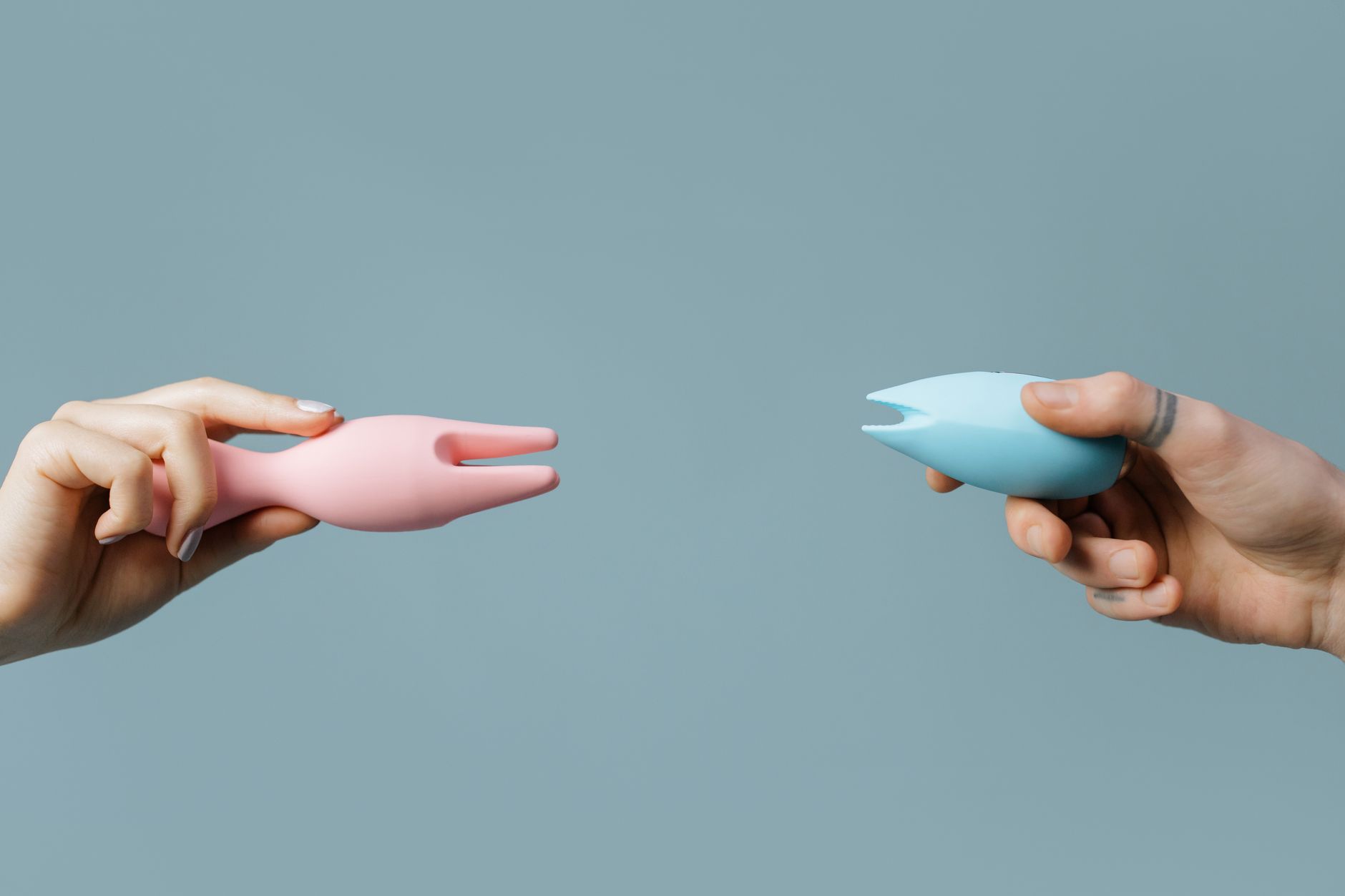
Photo by cottonbro studio on Pexels
What to say that actually works
"I love our sex. I also want to explore what my body can feel" is honest and nonblaming. It's not "We need this." It's "This is for me, and I want you here while I explore it."
You can also lead with the pleasure angle: "I've read that clitoral vibrators can feel really different from hands alone, and I'm curious what that's like." That's factual, not defensive.
If they ask directly whether they're enough, the answer is yes, and mean it. "You absolutely are. This isn't about you missing something. It's about adding something. Like how you might enjoy both wine and beer, or both movies and live music. Different, not better or worse."
Their insecurity is normal. Don't shame it. But also don't pretend the toy is their idea or dress it up as something it isn't. Honesty + gentleness is the combination that works.
Introducing the actual device
If they're onboard, don't immediately bust out the Lem. Show them a picture first, if that feels natural. "This is what I'm thinking" gives them time to visualize it before it appears in the bedroom.
When you do bring it into sex, frame it as collaborative. "Want to see what this feels like together?" not "I'm going to use this now." Let them hold it first, if they want. Let them turn it on and feel the suction. Toys are less scary when they're not a surprise.
The Lem works differently from a vibrator. It's a clitoral suction toy, which means the sensation is less direct friction and more like a gentle pulling. Your partner might be surprised by how gentle it feels. They might like it. They might feel left out. Any of those responses is fine. You're gathering information, not performing.
Managing the emotional stuff underneath
Some partners will worry that you'll prefer the toy to them. You won't. But they need to know that pleasure isn't zero-sum. Your enjoyment doesn't diminish them.
Others will feel like they should be doing more, or doing it better. That's touching and also a trap. Make it clear that this isn't about effort. It's about sensation, which is different.
The healthiest couples I work with use toys as a conversation starter, not an endpoint. "What did that feel like?" opens up a whole discussion about sensation, desire, and what else might feel good. Toys aren't a solution to a broken dynamic. They're a detail in a broader conversation about pleasure.
What if they say no
Some people genuinely aren't into it. That's okay. You don't have to agree on everything to have great sex. You do have to respect each other's boundaries.
But dig into why. "I'm not comfortable with that" might mean they genuinely prefer not to, or it might mean they're scared. Those need different responses. If it's a hard no, you move forward without it. If it's fear, you might have room to explore what the fear is.
You can also compromise. Some partners are fine with toys during solo pleasure but not during partnered sex. Some are fine if they're watching, not fine if they're not in the room. Some warm up over time.
The aftermath
After you try it together, let them process. "That was nice" is different from "I'm not sure about it." Neither is a failure. You're building information about what works for both of you.
If they're onboard, great. You now have a shared experience and a way to enhance pleasure together. If they're hesitant but willing, keep talking. If they hate it, you've learned something. None of these outcomes are bad.
The couples who struggle aren't the ones who have different preferences about toys. They're the ones who can't talk about it. Introducing a lemon clitoral vibrator isn't really about the toy. It's about learning whether you can have an honest conversation about what feels good. That skill matters way more than any device.
FAQ
How do I know if my new partner is secretly judging me for wanting to use toys?
You ask. "What are you thinking right now?" is direct and gives them a chance to answer honestly. If they say they're fine but their body language says otherwise, follow up later. "I got the sense you felt weird about it. Talk to me." Their initial reaction might be shock, not judgment. Give it time.
Can I let them choose the toy instead of bringing a specific one?
Absolutely. "I want to try a clitoral vibrator. Want to pick one out together?" shifts it from your idea to a shared project. Some people feel less threatened when they have input. Just know that not all clitoral vibrators work the same. The Lem's suction mechanism is pretty different from a standard vibrator, so if you already know you want that sensation, it might be worth steering there.
What if I'm worried they'll think I don't enjoy sex without it?
Use your words. "I love having sex with you. I'm just curious about trying something new. It's not because anything's missing." Repeat as needed. People need reassurance sometimes, and that's normal.
Is it weird to use a lemon vibrator during partnered sex if they're not directly involved?
Not at all. Lots of couples use external stimulation during sex because it changes the sensation for everyone involved. If it feels natural, do it. If it feels awkward, start with solo use while they're there, then move to partnered use once everyone's comfortable.
How long should I wait before bringing this up with someone new?
There's no hard rule, but somewhere between the second and eighth time you're intimate feels right. Too early and they don't know you yet. Too late and it starts to feel like a complaint. Whenever it feels like "we're comfortable enough to talk about what feels good," that's your moment.
What if they want to use a toy on me but I'm not sure about that?
You get to say no. Introducing toys shouldn't feel like a negotiation where you lose. If you're willing to explore, great. If you want to stick with hands and mouths, that's valid too. The conversation is the point, not the toy.
Introducing a lemon clitoral vibrator to a new partner is less about the device and more about building trust that you can talk about pleasure without shame. The Lem or any other toy is just an excuse to have the conversation. Once you can do that, everything else gets easier.