Let's talk about what hormones actually do to desire
Here's the part no one mentions: hormonal imbalance doesn't erase your clitoris. It erases the signal. Your body's capacity for sensation doesn't vanish. The chemical messenger that says 'this feels good' goes quiet.
That distinction is everything, because it means low libido is not a personality failure. It's a biology problem. And biology problems have workarounds.
The actual chain reaction when hormones drop
Thyroid dysfunction, estrogen crashes, testosterone in the basement, progesterone oscillations. Pick your flavour of hormonal chaos. Here's what happens in the nervous system:
Dopamine flatlines, so anticipation dies. Without dopamine, even direct stimulation feels meh. Oxytocin tanks, making touch feel disconnected instead of bonded. Serotonin swings, which scrambles your brain's ability to register pleasure signals at all. And cortisol spikes, which literally turns off the sexual response system in favour of fight-flight mode. Your body doesn't think you have time for pleasure when it believes you're under threat.
The clitoris itself? Fully intact. Completely functional. The wiring is there. The signal just isn't routing through.
Why lemon clitoral vibrators work differently when hormones are low
This is the part that changes everything. Standard vibrators rely on your nervous system being awake enough to register pleasure. You have to already be somewhat aroused for them to feel like much.
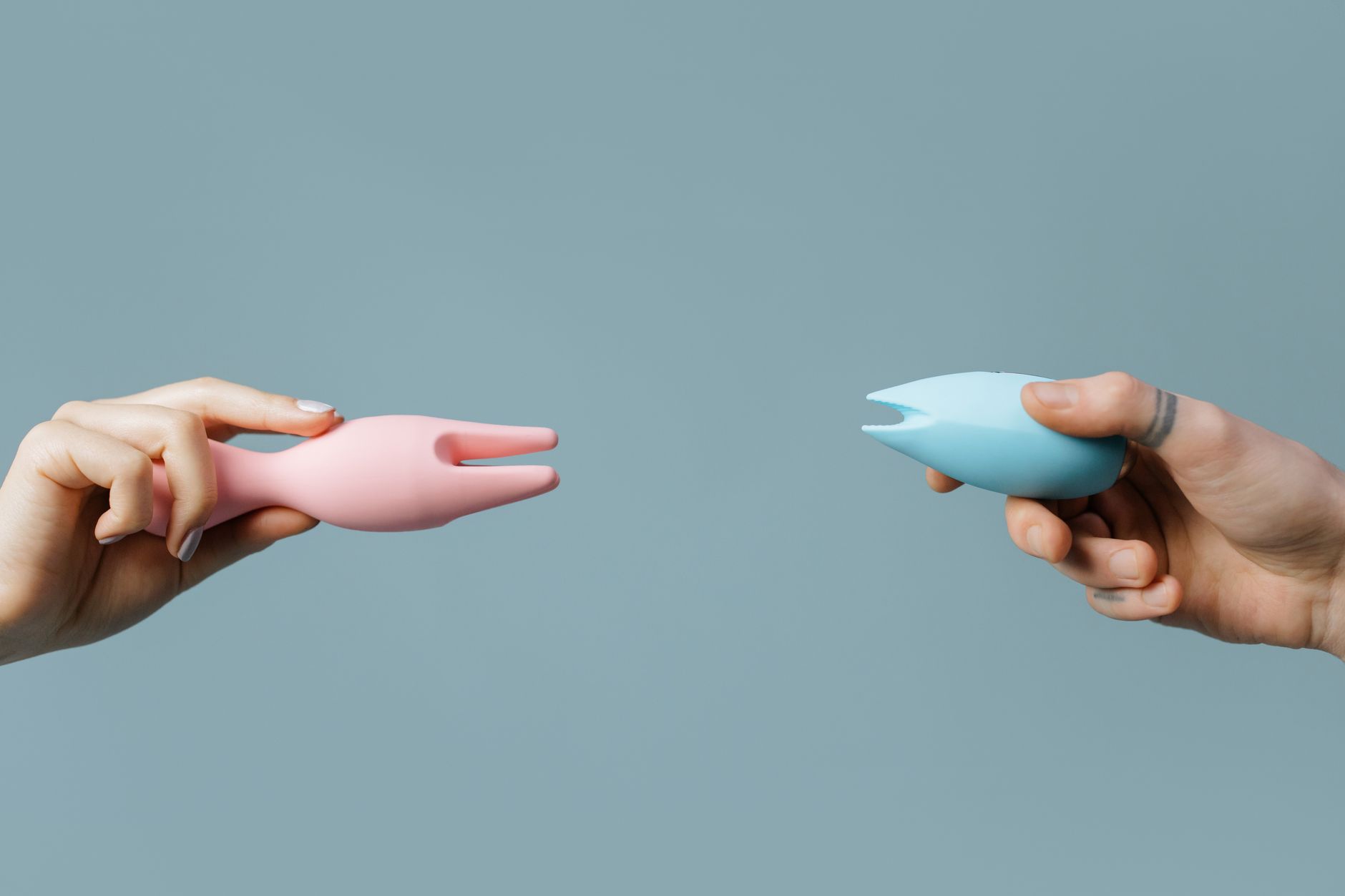
Lemon sucker vibrators (like the Lem) use air-pulse technology instead of conventional vibration. Instead of waiting for your brain to interpret a buzz as pleasure, suction stimulates the nerve endings directly and intensely. It's like the difference between someone tickling your arm lightly and someone pressing a pressure point. One requires interpretation. One creates an immediate, undeniable sensation.
For someone with hormonal imbalance and low libido, that directness matters. You don't need dopamine to be interested. You don't need oxytocin to feel bonded. You just need the nerves to fire. And suction can make them fire, even when the chemical backdrop is a wasteland.
Starting over with lemon vibrators when desire is completely absent
First rule: throw out the idea that you need to feel aroused to use a clitoral vibrator. You don't. That's the whole point right now.
Second rule: go slow on intensity. Start on pattern 1 or 2. Your nervous system is already overwhelmed by hormonal chaos. Adding overwhelming sensation doesn't help. Gentle pulse, consistent pressure, no agenda. This isn't about chasing an orgasm. It's about reminding your body that sensation exists.
Third: build it into a ritual, but not a seduction. Not candlelight and wine and 'I'm going to feel something today.' Just twenty minutes alone, consistent timing if possible (your nervous system loves predictability when hormones are unstable), and pure exploration. No performance. No goal.
What to expect in the first two weeks
Week one, you might feel nothing. That's normal. Your nervous system has learned not to register pleasure signals because there haven't been any dopamine hits to reinforce them. You're literally retraining the circuit.
Week two, you might notice a faint warmth or pressure sensation. Not arousal. Just sensation. That's progress.
By week three or four, some people start feeling the suction differently. Not orgasmic yet. Just more present. Like your body remembers it can feel things.
This is not a timeline. Some people take longer. Some never feel dramatic difference until they also address the hormonal piece with a doctor or specialist. The point is: don't judge yourself for not feeling fireworks. You're building a foundation, not lighting fuses.
The hidden piece: positioning matters more when libido is low
When your nervous system is flooded with cortisol and dopamine is offline, your body's position affects what you can feel. Lying flat on your back can feel disconnected and vulnerable. Lying on your front with a pillow under your hips puts you in a more grounded position. Sitting upright lets you control the intensity better.
Experiment. Try the same lemon clitoral vibrator in three different positions and notice which one makes the sensation feel most present. Your brain isn't broken. Sometimes it just needs a different physical setup to register that something good is happening.
When to bring your partner in (and when not to)
If you have a partner and they know you're struggling with hormonal low libido, here's what helps: tell them the plan before you start. "I'm using a tool to help my nervous system remember sensation. This is separate from sex with you. This is about me rebuilding my own wiring."
Then don't let them turn it into foreplay. That pressure kills the work. Use your lemon vibrator solo, consistently, for at least a month before even thinking about partnered sex. You're not being distant. You're being strategic.
After a month or so, if you want to bring your partner in, you can. But framing matters. "I can feel more when we do this" is different than "I can only get aroused if you use this on me." One is collaborative. One is outsourcing your pleasure, which just reinforces the learned helplessness.
What you need to do alongside the vibrator
A lemon sucker vibrator is a tool, not a cure. It helps your nervous system remember sensation. But if your hormones are genuinely imbalanced, the tool is only half the work.
See a doctor or a functional medicine provider who takes hormonal imbalance seriously. Get tested. Thyroid, estrogen, testosterone, progesterone, cortisol if you can. Not because you need every number to be perfect, but because knowing what's actually out of range lets you make decisions.
Sleep, too. I know that's boring, but your nervous system can't register pleasure if it's running on fumes. Prioritize seven to nine hours before you prioritize trying to feel something.
And stress. I'm not saying 'relax.' I'm saying your nervous system cannot be in fight-flight mode and also register clitoral sensation. They literally compete for the same neural real estate. If your life is chaos, the vibrator will help a little. If you reduce the chaos, the vibrator will help a lot.
FAQ: Hormonal imbalance and using lemon vibrators
How long does it take for a lemon vibrator to help with hormonal low libido?
Three to eight weeks for most people to notice a shift. But that's assuming consistent use (three to four times a week) and also addressing the hormonal piece. If you're using a lemon clitoral vibrator twice a month while your cortisol is through the roof, it'll take longer. If you're also sleeping and managing stress, it'll be faster. The vibrator is one variable in a bigger picture.
Can I use a lemon vibrator if I'm on antidepressants or hormone therapy?
Yes. In fact, if you're on SSRIs or other meds that flatten libido, a lemon sucker vibrator can help bypass that dampening effect because it's working on the nerve level rather than relying on chemical arousal signals. If you're on hormone replacement therapy, the vibrator works alongside it. They don't compete. Tell your doctor you're using it, but there's no reason to avoid it.
Will using a lemon vibrator make my hormonal problems worse?
No. Using a vibrator doesn't affect hormone levels. It helps your nervous system register sensation. The hormonal imbalance is happening in your glands and bloodstream. The vibrator is talking to your nerves. Separate systems. Using a lemon clitoral vibrator won't worsen your thyroid or your cortisol. But ignoring the root hormonal problem will keep the low libido in place longer.
Should I use a lemon vibrator alone or with my partner when my hormones are low?
Start alone. Build your own capacity to feel sensation without performance pressure. Your partner can be in the picture later, but right now your nervous system is learning that pleasure is possible again. That's easier to do solo. After a month, if you want to involve your partner, do it in a low-pressure way, not as a replacement for partnered sex but as part of foreplay or exploration.
Is it normal to feel nothing with a lemon vibrator the first few times?
Completely normal. Hormonal imbalance has taught your nervous system that sensation isn't reliable. It takes repetition for your body to trust that pleasure signals are actually happening. Keep using it consistently. Sensation usually returns before arousal does. Arousal takes longer because it's a bigger chemical shift. Just track sensation: pressure, warmth, mild tingling. Those are wins, even if they don't feel orgasmic.
Can I use my lemon vibrator if my hormonal imbalance is caused by PCOS or thyroid dysfunction?
Absolutely. The cause of the imbalance doesn't matter for this. What matters is that your nervous system isn't registering pleasure. A lemon clitoral vibrator helps with that part. You'd still want to address the root cause with a doctor, but the vibrator works regardless of whether the imbalance is from thyroid, PCOS, adrenal fatigue, or perimenopause.
Moving forward: the vibrator is just the beginning
Here's what I know from years of working with couples navigating hormonal shifts: the women and people with vulvas who recover their sense of pleasure fastest aren't the ones waiting for hormones to fix themselves. They're the ones who get curious about what their body can still feel right now.
A lemon clitoral vibrator isn't magic. It's a signal. It says: your body still works. Your capacity for sensation is still there. The chemicals are out of whack, but the nerves are fine. And sometimes that permission is enough to rebuild the whole system.
Start solo. Use it consistently. Get your hormones checked. Sleep more. Stress less. And give yourself the grace to feel nothing for a few weeks before you feel something. Your nervous system is learning a new language. It takes time.
If you want support navigating both the physical and emotional pieces of hormonal imbalance, reach out. That's what we're here for.