Let's start with what nobody tells you
When a relationship changes. Big or small. A breakup, a reconciliation, moving in together, kids arriving, one partner's health shifting. Your desire doesn't gradually fade. It often just. Stops. Like someone flipped a switch labeled "later" and walked away.
This isn't a sign your relationship is broken. It's a sign that your nervous system is processing something.
Why desire vanishes when relationships transform
Desire needs safety. Not just physical safety. Emotional predictability. When the shape of a relationship changes, your brain is too busy mapping new territory to send the "let's have sex" signal. You're in survival mode, even if nothing feels like survival.
Think about it: moving in together means renegotiating autonomy, privacy, routines. A breakup and reconciliation means rewiring trust. Adding kids means your partner is now also a parent, which your brain categorizes very differently than "person I want to touch." The Coolidge effect is real, but so is the freeze effect.
Three specific things happen:
1. Attention gets hijacked. You're not present during sex because part of your brain is still working through the relationship change. You're mentally editing the conversation from yesterday or anxious about the one coming tomorrow.
2. Safety signals get disrupted. Even if the relationship is stable, the newness of the dynamic feels unfamiliar. Desire requires a felt sense of safety, not just intellectual knowledge that you're safe.
3. Responsive desire goes dormant. Many people with vulvas have responsive desire. It doesn't exist until stimulation happens. But after a relationship shift, even stimulation can't always unlock it because the nervous system is still processing.
The difference between "not interested" and "nervous system offline"
Here's what I see in my practice: people blame themselves. "I should want this. I used to. What's wrong with me?" Nothing. Your nervous system is just on pause while it reorganizes.
The distinction matters because it changes what helps. If desire has vanished because your brain is processing a new relationship reality, shame won't fix it. Rest won't fix it. But deliberate, solo reconnection with pleasure? That rewires the signal.
This is where lemon vibrators come in. Not as a band-aid. As a tool to tell your nervous system that pleasure is still available, that your body still works, that desire can return.
How lemon clitoral vibrators help rebuild desire after relationship changes
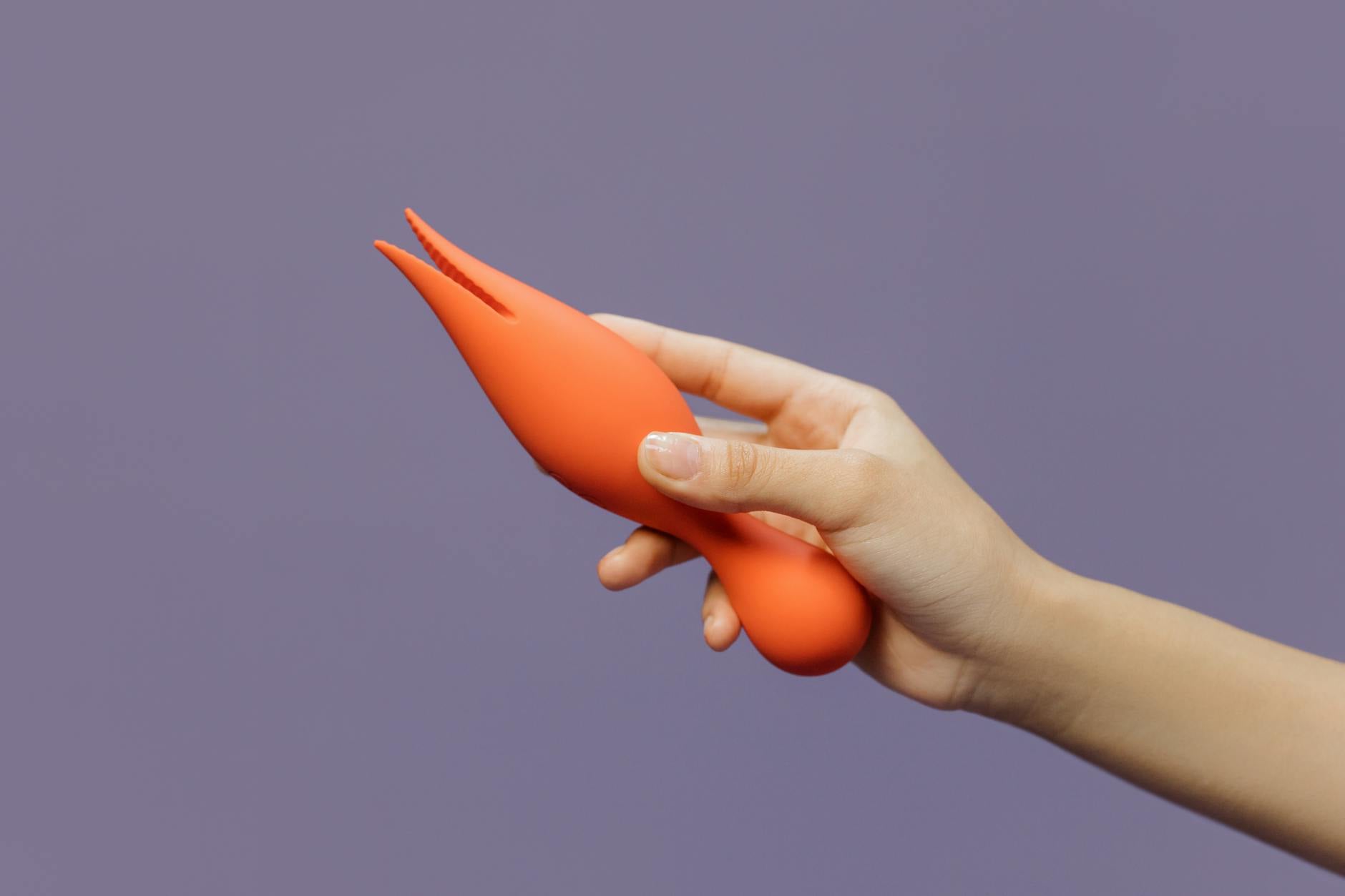
Lemon vibrators, particularly air-suction devices like the Lem, work differently than traditional vibrators. They use gentle suction patterns rather than aggressive buzz. For someone whose nervous system is already in sympathetic overdrive (processing change), that gentleness matters.
Here's what happens neurologically: when you use a lemon clitoral vibrator solo, you're creating what I call a "desire proof." You're giving your nervous system evidence that pleasure still exists in your body, independent of the relationship change. That's powerful.
The patterns on devices like the Lem allow you to stay engaged mentally because the sensation is novel enough to hold your attention. You're not running through the motions. You're actually present. And presence is what trains your nervous system back toward desire.
Start with lower pattern settings. Lemon vibrators typically have 7-10 settings. Begin at 1 or 2. The goal is not orgasm. The goal is to remind your body that sensation feels good and to notice that happening without judgment.
The actual protocol: rebuilding desire step by step
If you're dealing with low desire after a relationship shift, here's what works:
Week one: curiosity only. Use your lemon vibrator solo for 10-15 minutes, 3-4 times. Don't chase orgasm. Just notice sensation. This is about proving to your nervous system that your body hasn't changed, even though your relationship has.
Week two: add micro-focus. Same duration, same frequency, but this time notice where you feel the sensation most intensely. Notice what patterns feel best. Notice your breathing. You're building the neural pathway back toward attention during pleasure.
Week three: introduce novelty. Try patterns you didn't test before. Try different positions. Try it at a different time of day. The goal is to keep your brain engaged enough that you're not mentally somewhere else.
Week four: notice what's changed. By this point, many people report that desire is starting to whisper back. It's not roaring. But it's there. That's the nervous system saying, "Okay, we can probably do this again."
After four weeks of solo reconnection, if you're partnered, you can reintroduce partnered sex without the pressure of immediate desire. You're going in knowing that your body works, that pleasure is available, and that it's not your fault that the relationship shift temporarily unplugged it.
The conversation to have with your partner
If you're in a relationship, this part is crucial and often skipped. You need to separate "my nervous system is processing something" from "I don't want you." Those are completely different sentences, and they need different responses.
The conversation isn't "I'm using a vibrator to fix myself so I can want you again." That frames pleasure as obligation. The conversation is, "The relationship change affected my desire. I'm working on reconnecting with my own pleasure, not because anything is wrong with you, but because that's how I rebuild desire when I'm in transition."
Many partners feel relief hearing this. Desire disappearing after a relationship shift is so common that most people have experienced it. Framing it as a nervous system response rather than emotional rejection often softens the whole dynamic.
When desire doesn't return and what that might mean
If four weeks of solo reconnection doesn't shift anything, that's useful information. It doesn't mean your vibrator failed. It might mean the relationship change triggered something bigger. Grief, resentment, a fundamental mismatch that was hidden until the relationship shifted shape.
That's when you might want to work with a therapist. Not because something is wrong with you. But because desire is information. Sometimes it's saying "your nervous system needs time." Sometimes it's saying "something about this situation isn't working for you."
Both are worth listening to.
Why lemon vibrators specifically help with post-transition desire
Lemon sucker vibrators use air-pulse technology that feels distinctly different from traditional vibrators. The sensation is more diffuse, less intense, and doesn't require the same level of arousal to feel pleasurable. For someone whose nervous system is offline, that matters.
They're also designed to be intuitive. You pick it up, you figure out how it works in about 10 seconds. There's no learning curve. That removal of friction can be the difference between actually trying reconnection and putting it off because setup feels hard.
The reality check
Desire is not a character trait. It's a response. When relationships change, response systems get temporarily disrupted. Using a lemon clitoral vibrator to rebuild your own pleasure after that disruption is not fixing a problem. It's learning how to signal to your nervous system that it's safe to want things again.
Sometimes desire bounces back quickly. Sometimes it takes weeks. Sometimes the relationship shift revealed something that needs actual attention. All of those are okay. What's not okay is assuming that low desire after a big relationship change is permanent or is your fault. It's neither.
People also ask
How long does it take for desire to return after a relationship change?
It depends on the magnitude of the change and how much attention you're paying to nervous system regulation. For small shifts (moving in together, adding routine), people often see desire return within 2-4 weeks of consistent solo exploration. For bigger shifts (breakup and reconciliation, major health changes), 8-12 weeks is more realistic. The pattern matters more than the timeline. Consistent, pressure-free exploration tends to rebuild desire faster than waiting for it to spontaneously reappear.
Can lemon vibrators actually help rebuild desire or is that placebo?
It's not placebo. Air-pulse vibrators like lemon clitoral toys trigger a different neural pathway than traditional vibrators because the sensation pattern is novel and requires less basal arousal to feel good. When you use one solo, you're training your attention back toward pleasure while simultaneously giving your nervous system evidence that your body still works. That's neurologically legitimate, not placebo.
Should I tell my partner I'm using a vibrator to rebuild desire?
That depends on your relationship. If you're partnered and this is a shared concern, yes. Frame it as "I'm doing some nervous system work around pleasure reconnection" rather than "I'm fixing myself because I'm broken." Many partners appreciate knowing what's happening instead of interpreting your low desire as rejection. If you're solo during this process, you don't owe anyone that information. Your pleasure is yours.
What if using a vibrator feels pressuring instead of helpful?
Then stop. The whole point is to remove pressure. If solo exploration with a vibrator feels like another obligation, you're going too fast or your nervous system needs a different approach. Try just touching yourself without any toys first. Rebuild the signal gradually. Pressure defeats the purpose.
How do I know if low desire is about the relationship change or about something else?
Start with timeline. Did desire drop right after the relationship shifted? That's usually the change. If desire has been low for years regardless of relationship status, that's different. It might be hormonal, medication-related, or pointing toward a deeper mismatch. A therapist can help you sort that. What matters is noticing the pattern, not forcing a single explanation.
Can I use a lemon vibrator with my partner to rebuild desire together?
Yes, but start solo first. Solo exploration rebuilds your own pleasure signal without the performance pressure that often kills responsive desire. Once you've done a few weeks of solo reconnection and you're noticing desire returning, bringing the vibrator into partnered play can be really effective. But the foundation is rebuilding your own signal first.
What comes next
Desire after a relationship change isn't lost. It's paused. Your nervous system is reorganizing, and that takes time. Using a lemon vibrator as part of deliberate solo reconnection is a way of telling that nervous system, "We're safe. We can want things again."
If you're navigating a big relationship shift and low desire is part of that, start small. Solo exploration, pressure-free, maybe 10 minutes a few times a week. Notice what happens. You might be surprised how quickly your nervous system remembers what pleasure feels like.