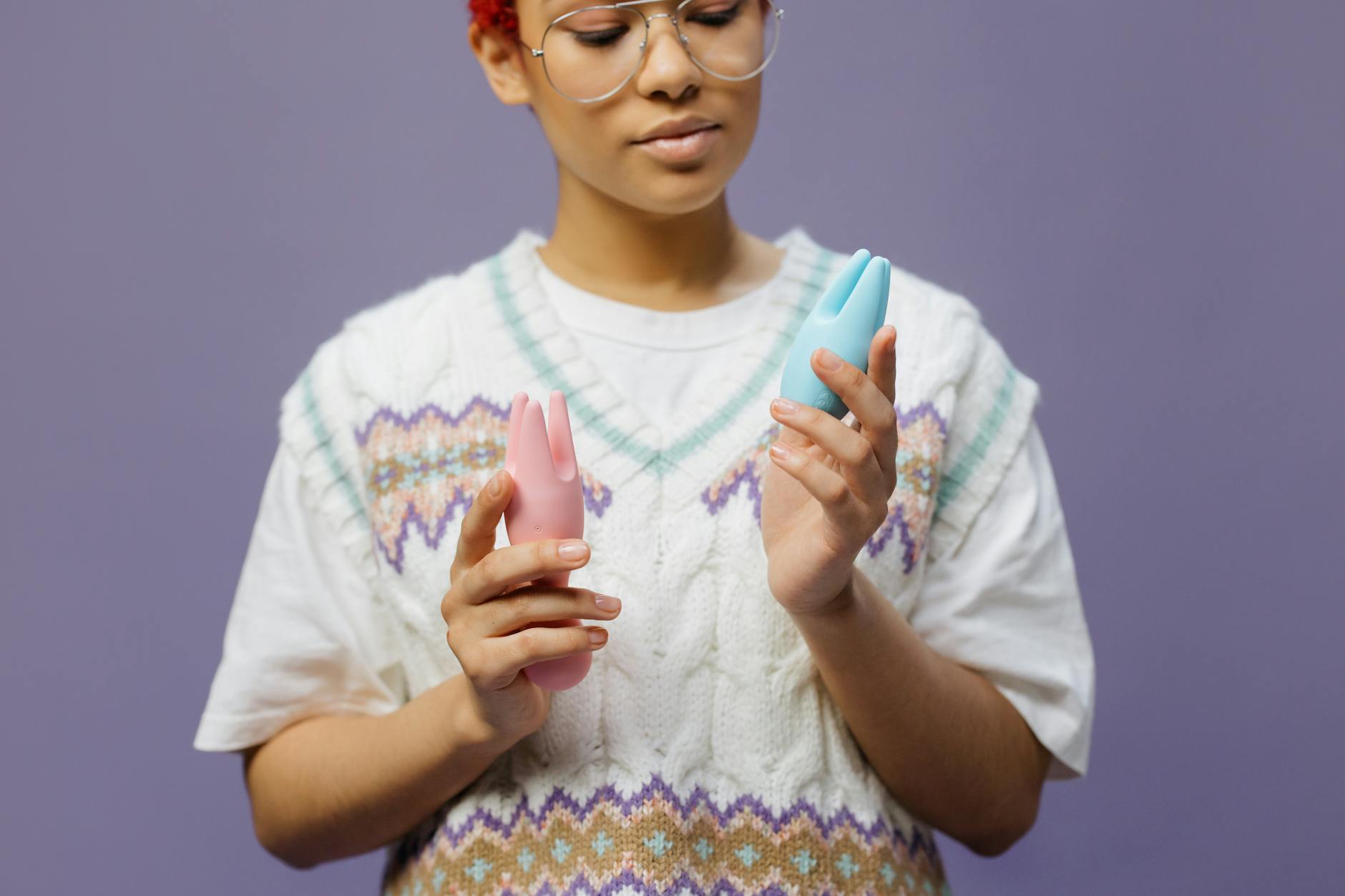
The numb clitoris is more common than you think
You're not broken. That's the first thing I tell clients who come to me saying they can barely feel their clitoris anymore, or that touch that used to spark fireworks now feels distant or muted. Clitoral desensitization is one of the most under-discussed sexual health issues, partly because people assume it's permanent, and partly because they think they caused it somehow.
Neither is true. Numbness or reduced sensation in the clitoris is treatable, reversible, and honestly pretty straightforward to address once you understand what's actually happening in your body.
Why desensitization happens
There are five main culprits, and most people experience at least one.
Repetitive overstimulation. If you've been using the same routine, the same pressure, the same pattern for years, your nerve endings adapt. This is called habituation. Your body stops registering signals it considers "normal" background noise. It's the same reason you stop noticing a hum in your refrigerator after a week. Your clitoris isn't less sensitive. It's just that your nervous system has learned to tune this specific stimulus out.
Medication side effects. Antidepressants, birth control, blood pressure meds, and even antihistamines can blunt genital sensation. This isn't a personal failure. It's neurotransmitter suppression, and it's one reason why talking to your doctor about side effects matters.
Prolonged stress and cortisol elevation. Chronic stress restricts blood flow to the genitals and dampens the parasympathetic nervous system. You can't reach deep pleasure when you're in fight-or-flight mode. Your clitoris gets less blood, less activation, and less nerve sensitivity as a result.
Pelvic floor tension. Tight muscles reduce blood flow and nerve signaling. When your pelvic floor is gripped (from stress, habit, or past trauma), sensation gets trapped. It's like trying to hear someone whisper while you're clenching your jaw.
Age and hormonal shifts. Declining estrogen and testosterone reduce blood flow to genital tissue and can thin the clitoral hood, making direct stimulation less comfortable and sensation feel duller. This is treatable but worth naming.
How lemon vibrators wake up numb sensation
Here's where clitoral vibrators, particularly air-suction devices like those from Get Lemon Toy, become genuinely useful.
A lemon vibrator works differently than a traditional vibrator. Instead of repetitive buzzing (which is exactly the stimulation pattern your desensitized clitoris has learned to ignore), lemon vibrators use rhythmic suction and release cycles. This creates novelty. Your nerve endings don't have years of adaptation to this specific pattern, so they respond more readily.
The suction mechanism also draws blood into the clitoral tissue. Increased blood flow is how sensation returns. You're literally nourishing the area while stimulating it in a new way. This is why people often report feeling sensation return after just a few sessions with a lemon vibrator, even after months of numbness.
The suction is also gentler than direct vibration on sensitive or desensitized tissue. If your clitoris hurts or feels raw when touched, suction-based stimulation lets you rebuild sensation without pain or irritation.
The reset protocol: getting started
Start with the lowest setting. Lemon vibrators from Get Lemon Toy typically have 5-12 intensity levels. Begin at level 1 or 2. Your goal isn't immediate pleasure. It's reawakening nerve sensitivity. This takes patience.
Use it for 5-10 minutes, once or twice daily. Consistency matters more than duration. Short, frequent sessions help your nervous system adapt to the new stimulus and build blood flow. You're retraining your body, not forcing orgasm.
Don't chase orgasm. This is critical. When you use a lemon vibrator specifically to rebuild sensation, approaching it like a normal pleasure session will frustrate you and activate performance anxiety, which kills the whole process. Instead, treat it like physical therapy. The goal is sensation, not outcome.
Place it directly on the clitoral area, not on top of the clitoral hood. For desensitized clitorises, skin-to-silicone contact works better than stimulating through layers of tissue. The suction mechanism needs direct access to generate blood flow.
The sensitivity rebuilding timeline
Expect changes in phases, not all at once.
Week one. You might feel mild tingling, increased awareness, or even mild itching. This is good. Your nerve endings are waking up. Some people feel nothing in week one, and that's fine too. You're still increasing blood flow.
Weeks two to three. Sensation becomes more pronounced. Touch that felt numb now registers. You might notice feeling the lemon vibrator more intensely at lower settings. This is normal and means progress.
Weeks four to six. Arousal patterns often shift. You might find yourself getting wet more easily, or feeling responsive to lower intensities that didn't work before. Orgasm capacity usually returns around this point, though it may feel different than before (often more localized, sometimes less intense at first).
Beyond week six. If you've rebuilt basic sensation, you can gradually increase intensity and explore what feels good. Most people find they can return to higher pleasure at this stage without losing sensitivity.
If you're on medication known to dampen sensation, this timeline might be longer. Set expectations accordingly.
Addressing the mental piece
Clitoral numbness often comes with shame or frustration. You might feel broken, or worry that you'll never feel pleasure again. These are understandable, and they're also obstacles to recovery.
When you sit down to use a lemon vibrator, bring curiosity instead of judgment. You're not trying to fix something bad about yourself. You're experimenting with your own body. The mindset shift from "I should be able to feel this" to "I'm discovering what I feel" changes everything neurologically. Shame activates your sympathetic nervous system. Curiosity activates your parasympathetic one. You need the parasympathetic system engaged for sensation to return.
If a partner is in the picture, talk about this separately from sex. "My body is rebuilding sensation" is different from "I want us to connect." Conflating the two turns the rebuilding process into performance, which kills it. Your partner can support you by not treating the sensitivity work as foreplay toward intercourse.
When to see a doctor
Clitoral numbness sometimes signals something that needs medical input.
If your numbness came on suddenly (over days, not weeks), see a gynecologist. Sudden-onset desensitization can indicate nerve compression, hormonal imbalance, or vascular issues that need evaluation.
If you've been rebuilding sensation for eight weeks with consistent lemon vibrator use and haven't noticed any change, talk to your doctor. You might have medication effects that need adjusting, or hormonal issues that would benefit from treatment.
If numbness is accompanied by pain, burning, or visible changes to the skin, get checked out. This isn't typical desensitization.
The long game
Once sensation returns, keep varying your stimulation. The reason desensitization happened in the first place was often because one pattern became routine. Now that you've rebuilt your baseline, the protection against future numbness is novelty and variety. Alternate between lemon vibrators and manual stimulation. Switch up intensity and rhythm. Your clitoris thrives on surprise.
Your pleasure isn't stuck. It's paused. And with the right approach, a little patience, and tools like lemon vibrators that actually match how your desensitized tissue responds best, you'll get back to sensation that feels alive and real.
FAQ: Clitoral sensitivity and lemon vibrators
How long does it take for a lemon vibrator to restore sensation?
Most people notice initial changes within two to three weeks of daily or near-daily use. Full sensitivity rebuilding typically takes four to eight weeks. If you're on medications that dampen sensation, the timeline extends. Consistency matters far more than intensity. Five minutes daily beats one intense session per week.
Can I use a lemon vibrator if my clitoris is already painful when touched?
Yes. The suction mechanism on lemon vibrators is gentler than direct vibration or friction. Start at the absolute lowest setting and position the suction cup gently. Many people with clitoral pain find air-suction devices more tolerable than traditional vibrators. If pain worsens or doesn't improve within a week of gentle use, see a pelvic health specialist.
Will rebuilding clitoral sensation affect orgasm quality?
Often for the better. When sensitivity returns, people usually report more reliable orgasms, quicker arousal, and sometimes more intense sensations. That said, the first orgasms after a desensitization period might feel different or less intense than you expect. Your nervous system is recalibrating. This evens out within a few weeks.
Is desensitization a sign I need to stop using vibrators?
No. Desensitization happened because your nervous system adapted to a stimulus. The solution isn't to stop stimulating. It's to introduce novelty. A lemon vibrator provides that novelty. Pausing vibrator use entirely often makes desensitization worse because you lose the blood flow benefits.
Can hormonal birth control cause permanent clitoral numbness?
No, though it can cause temporary desensitization while you're on it. Once you stop the medication (if you choose to), sensation typically returns within two to four weeks. Using a lemon vibrator during this recovery period speeds up the process. If numbness persists months after stopping birth control, have your hormone levels checked.
What's the difference between desensitization and anorgasmia?
Desensitization is reduced sensation. Anorgasmia is inability to orgasm. You can have one without the other. How to Use Lemon Vibrators When You Have Difficulty With Orgasm Consistency covers anorgasmia specifically. If your issue is numbness without anorgasmia, rebuild sensation first. Orgasm capacity usually follows.
Can stress actually numb my clitoris?
Yes. Chronic stress elevates cortisol, which restricts blood flow to the genitals and suppresses parasympathetic activation. Desensitization from stress is real and reversible, but the fix requires both nervous system regulation (stress reduction, breathing, rest) and genital stimulation (like lemon vibrator use). Address both simultaneously for faster results.
Rebuilding sensation is rebuilding trust in your body
Clitoral numbness often carries emotional weight. You might feel disconnected from pleasure, frustrated with your body, or worried you're damaged somehow. Using a lemon vibrator isn't just mechanics. It's an act of patience with yourself, a commitment to your own pleasure, and proof that sensation can return when you approach recovery with the right tools and timeline.
Start low. Stay consistent. Bring curiosity instead of pressure. Your clitoris isn't gone. It's waiting to feel alive again.
If you'd like personalized guidance on navigating pleasure and intimacy during a sensitivity rebuilding phase, Get Lemon Toy is here to help. We're also happy to discuss general lemon vibrator care and safety if you have questions about use and maintenance.