Here's what nobody tells you about aging and sensation
Your body is not failing you. It is reorganizing. That distinction matters because most conversations about aging and pleasure frame it as loss when it's really just redistribution. Your clitoris isn't becoming less responsive. The nerve pathways are becoming more selective about what triggers them. Which, weird as it sounds, can actually open up better orgasms if you know how to work with it.
I've worked with hundreds of couples navigating this transition, and the pattern is always the same. Someone reaches their 50s or 60s and notices that the vibration intensity that used to work doesn't land the same way. The instinct is to panic or assume the equipment's the problem. Neither is true. What's changed is how your nervous system prioritizes sensation, and how your tissues respond to different types of stimulation.
What actually changes as you age
Three things happen simultaneously, and all three are completely normal.
Nerve density shifts. The clitoris doesn't lose nerve endings. What changes is how densely packed they are and how quickly they fire in response to stimulation. For many people, this means direct, intense vibration becomes overstimulating. Instead, a slower buildup or a different pattern of sensation (like suction) becomes more pleasurable and reaches orgasm faster.
Tissue thins slightly. Estrogen affects skin elasticity everywhere, including the vulva. Thinner tissue means the same mechanical pressure feels sharper or more abrasive. It doesn't mean sensation is gone. It means the threshold for "too much" drops, and the threshold for "just right" becomes narrower. This is why many lemon vibrator users in their 50s and 60s gravitate toward gentler patterns or lower settings than they used ten years ago.
Recovery time shifts. Your clitoris still gets sensitive after orgasm, but the timeline is different. Sensitivity might return faster, which is great. Or it might take longer, which is also fine. The point is, you can't assume your post-40 refractory period matches your post-50 refractory period. You have to pay attention to your actual body, not your memory of your body.
Why lemon vibrators work so well during this shift
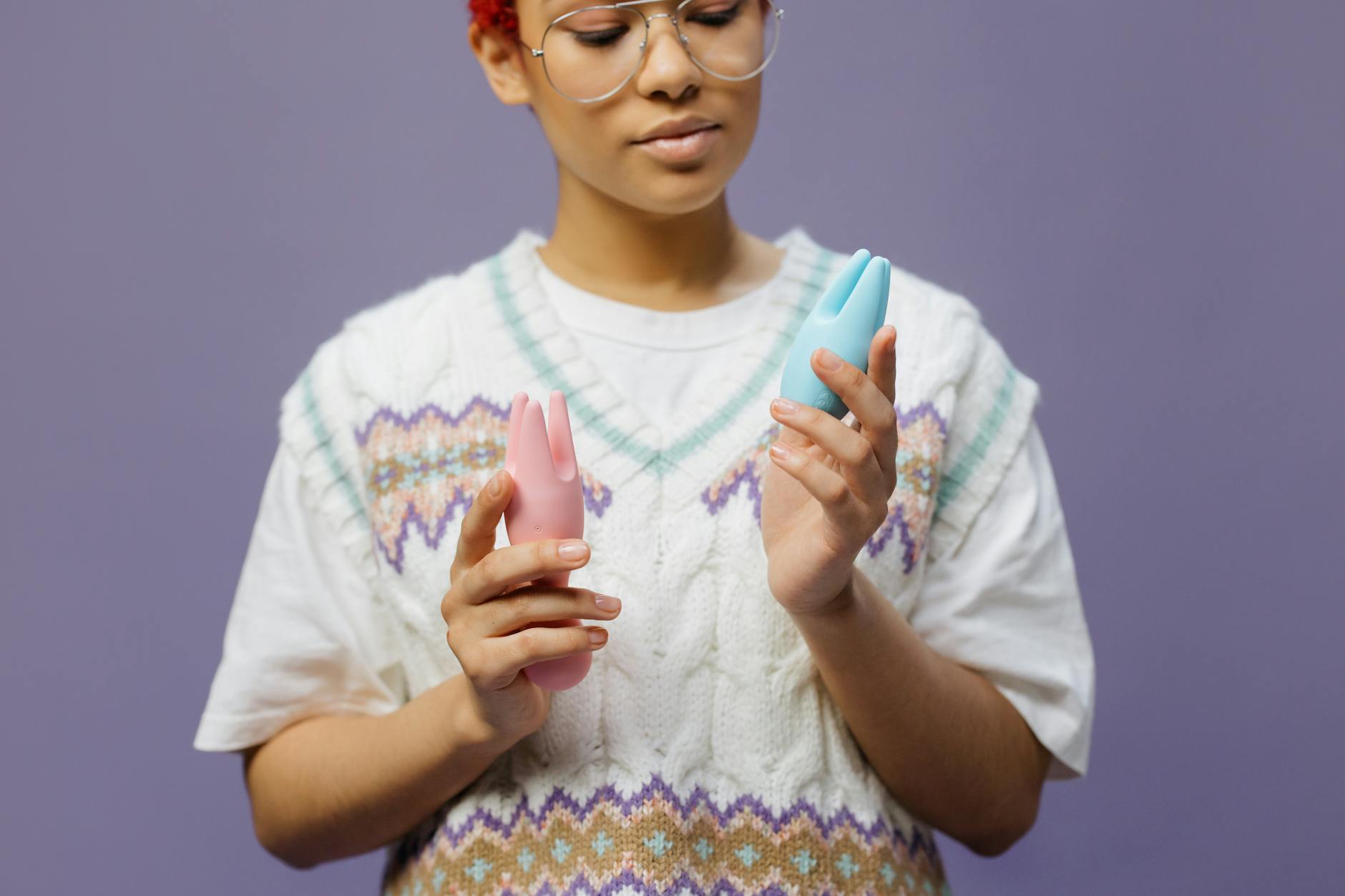
Unlike traditional vibrators that rely purely on frequency to build sensation, a lemon clitoral vibrator uses air-pulse suction technology. That matters here because suction stimulates nerves differently than vibration does.
Instead of applying direct mechanical pressure, suction creates a gentle rhythmic pulse against the tissue. For people whose clitoral sensitivity has shifted with age, this feels less jarring and allows for a longer, more gradual buildup toward orgasm. You're not fighting against overstimulation. You're building sensation in a way that matches how your nervous system currently wants to be approached.
Many clients report that a lem vibrator at pattern three feels better than a traditional vibrator at the lowest setting. The stimulation is precise without being harsh. It's sustained without being monotonous. It gives your nervous system time to accumulate sensation instead of shocking it into numbness.
Adjusting your approach with a lemon vibrator
If you're using a lemon vibrator and sensitivity has changed, try this framework.
Start two patterns lower than you think you need. If you used to use pattern five, begin with pattern three. Let your body tell you when it's ready to increase. Most people find they reach orgasm just as deeply at lower settings now, which means you're not sacrificing anything. You're just using less energy to get there.
Extend your warm-up time. Fifteen minutes used to be enough. Now budget twenty to thirty minutes before you turn the vibrator on. Let your arousal build through touch, thought, or partnered activity first. Then introduce the lemon vibrator when you're already halfway to sensation. You'll notice the orgasm arrives faster and feels less forced.
Use the width of the device, not just the tip. The design of the Lem means you can apply contact across different parts of the head. Experiment with how the curve sits against your clitoris. Some angles and widths of contact feel better than others as tissue sensitivity changes. You might discover that today, the side of the device feels amazing, whereas five years ago, direct tip contact was what worked.
Build in micro-pauses. Instead of steady stimulation for thirty minutes, try this rhythm: two minutes at pattern two, pause for ten seconds, two minutes at pattern three, pause, two minutes at pattern four. The pauses prevent overwhelming your nervous system and actually make the buildup to orgasm feel sharper and more satisfying.
Partnered pleasure and changing sensitivity
If you're with a partner, aging sensitivity is something to name out loud, not hide.
The conversation isn't "I can't feel things anymore." It's "My body's pleasure language is shifting, and here's what I'm learning about how it works now." Invite your partner to explore with you. Show them the settings. Let them hold the lemon vibrator and watch what happens when you use pattern two versus pattern five. Make it collaborative rather than corrective.
Many couples find that this stage actually deepens intimacy because someone who's been coasting on routine finally has to pay attention again. You both have to be present. You both have to listen to feedback. That's not a loss. That's the opposite.
When to check in with a doctor
If sensitivity changes happen suddenly rather than gradually, check in with your gynecologist. A sudden loss of sensation or sudden pain can signal hormonal shifts, medication changes, or other things worth addressing. Gradual changes as you age are normal. Abrupt changes warrant a conversation with a healthcare provider.
Also, if you're noticing genital numbness alongside numbness in your hands or feet, mention this to your doctor. It can sometimes reflect larger nervous system changes worth investigating. In most cases, it's nothing serious. But it's worth checking.
What doesn't change
Your capacity for pleasure. Your ability to orgasm. Your right to prioritize your own sensation. Your clitoris's intelligence about what feels good. Your deserve to experience deep, sustained pleasure on your own terms.
Aging rewires how you access those things. It doesn't erase them. The lemon vibrator, precisely because it works with gentle suction instead of brute force, tends to make that rewiring feel less like loss and more like discovery.
Common questions about sensitivity and lemon vibrators
Can I use the same lemon vibrator for the rest of my life as sensation changes?
Yes. The genius of having five different patterns is that your device grows with your changing sensitivity. You might use patterns four and five in your 40s and patterns one and two in your 60s. Same device, different settings. You're not replacing equipment. You're just exploring it differently.
Does aging make it impossible to reach orgasm with a vibrator?
Not even close. If anything, many people find orgasm easier to reach as they age because they're less in their head about whether they're "doing it right." Physical changes require adjustment, not surrender. A lemon clitoral vibrator's air-pulse technology actually makes age-related sensitivity changes feel less disruptive than traditional vibrators do.
How long does it take to adjust to sensation changes?
Usually two to four weeks of exploration. Your nervous system needs time to learn the new landscape. By week three or four, you'll have a much clearer sense of what works. For some people it's faster. For others it takes longer. Neither is wrong.
Will my partner notice if I use a vibrator differently now than I did before?
Probably, if you're together when you're using it. That's an invitation to talk about it. Most partners are relieved to know what actually feels good instead of guessing. Communicate clearly: "My body's sensation is shifting with age. I'm learning what works best now. I'm still enjoying pleasure. It just looks different." Done.
Is there a specific age when sensitivity typically starts to shift?
It's individual. For some people changes are noticeable at 45. For others, 55. For others, 65. Hormones, medications, stress levels, and genetics all influence the timeline. Don't compare your timeline to someone else's. Pay attention to your own body.
Can medication affect sensitivity more than aging does?
Absolutely. Antidepressants, blood pressure medications, and hormonal contraceptives can all affect sensation. If sensitivity changes coincide with a new prescription, that's worth asking your doctor about. Sometimes there's an alternative. Sometimes you adjust your approach. Either way, it's worth naming.
The real work is permission
Using a lemon vibrator as your sensitivity shifts isn't complicated technically. It's emotionally simple too: you adjust the settings, you stay curious, you pay attention to what your body actually wants instead of what it used to want.
The hardest part is giving yourself permission to do this without shame. To say "my body has changed and it deserves pleasure anyway." To not treat aging as failure. To understand that orgasms in your 60s might look and feel different from orgasms in your 30s, and that's not a step backward. That's evolution.
Your pleasure matters exactly as much as it ever did. Your clitoris is not retiring. It's just found a new rhythm. And the lemon vibrator, with its intelligent patterns and suction-based approach, tends to meet that rhythm halfway. Which is exactly where good sex lives.