You've been someone else's lover for so long you forgot you're also your own
When a long-term relationship ends, the sex doesn't just stop. Your entire framework for pleasure pauses too. You're not grieving just the partner. You're grieving the architecture around desire. And then you're supposed to rebuild it, solo, with zero manual.
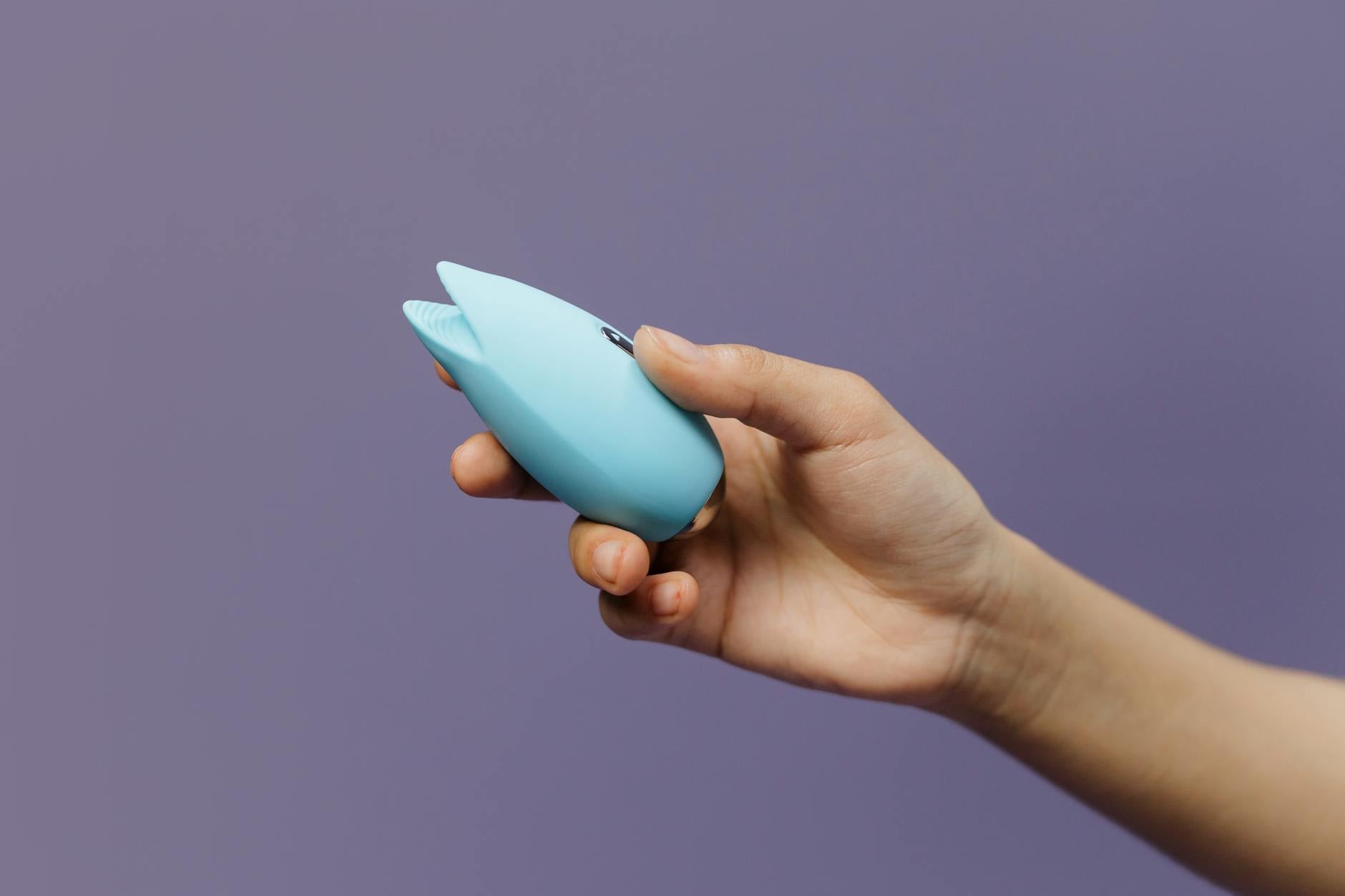
This is where lemon vibrators come in. Not as a replacement for anything. As a starting point.
What changes in your body after years with one person
Your pleasure response isn't wired to just that person, but your nervous system trained itself around their touch. Their timing. Their rhythm. What made you come with them isn't necessarily what makes you come with yourself, and that gap feels broken. It's not. It's just unused.
There's also the psychological layer. If you had good sex in that relationship, pleasure became tangled with intimacy, safety, and deep familiarity. Your body learned to respond in that context. Solo pleasure might feel lonely by comparison, selfish, or weirdly vulnerable. You're not wrong to feel that. It's just a feeling to work through, not a sign something's damaged.
A lemon clitoral vibrator works here because it removes the complexity. You don't have to produce anything. You don't have to manage anyone else's experience or timing. You're just mapping sensation again, at your own pace.
The three phases of rediscovering yourself solo
Phase one: Curiosity without pressure (weeks one to three).
Don't aim for an orgasm. Seriously. Orgasm right now is a goal that will make your nervous system clench. Instead, spend time feeling texture. Temperature. Different intensity levels. If you're using a lemon vibrator like the Lem, start at pattern 1 and sit with it for a minute. Then pattern 2. No rushing. You're relearning the map of your own clitoris.
Do this when you're not stressed or tired. Early evening works better than late night for most people. And be alone, not just "partner's not home." Alone in your mind.
Phase two: Pattern recognition (weeks three to eight).
After a few solo sessions, you'll notice what actually feels good versus what you thought should feel good. Maybe pattern 3 on the Lem is too much and pattern 2 is perfect. Maybe you like starting slow and building. Maybe you like the opposite. None of this is information you'd have known with a partner because you were calibrated around their preference.
This is where the lemon suction toys shine. They don't require the same direct friction that can feel intense or even painful when you're out of touch with your own response. Suction is gentler, more nuanced. You can feel small shifts in what your body wants.
Notice your breathing. Notice where your attention goes. Notice how long it takes to feel warm and interested. Write it down if that helps. You're building a manual for yourself.
Phase three: Integration (month two onward).
Once you've mapped some baseline preferences, pleasure becomes less mysterious and more accessible. You know what pacing works. You know which patterns feel right. You know whether you prefer longer sessions or quick ones. And you know this about yourself independent of anyone else.
This is genuinely powerful. Because now if you want to share pleasure with someone new, you're not starting from "I don't know what I like." You're starting from "Here's what I know about myself, and here's how we navigate that together."
Why lemon vibrators are better than traditional vibrators for this work
Standard vibrators produce one thing: vibration. Fast, consistent, often intense. They're great for a lot of bodies, but when you're rebuilding trust in your own sensation, you want nuance.
Lemon clitoral vibrators use suction and pulsation instead. The feeling is closer to how a mouth or fingers work, which your nervous system already understands. You're not learning a totally new sensation. You're reacquainting yourself with a familiar one in a solo context.
The Lem, for example, has multiple patterns and intensity levels. You can start gentle and subtle. You can feel the difference between each setting. That granularity matters when you're rediscovering what your body actually wants versus what it was trained to want.
The emotional part nobody warns you about
You might feel guilty. Like you should be grieving the relationship instead of exploring yourself. Like there's something selfish about prioritizing your own sensation right now.
There isn't. In fact, this is one of the most loving things you can do for yourself in this transition. You're not running from the grief. You're building yourself back up so that when you're ready to share pleasure with someone new, you're showing up as someone who knows herself, values herself, and can articulate what she needs.
You might also feel emotional the first time you come solo after the relationship ends. That's normal. You're reconnecting with a part of yourself that was dormant. Let it happen.
Common stumbling blocks and how to move through them
"It feels too solitary." Totally fair. For your brain right now, solo pleasure might feel lonelier than no pleasure. That doesn't mean you shouldn't do it. It means you're grieving. Try pairing it with something that feels less lonely. Listen to music you love. Text a friend you haven't heard from in years. Do something kind for yourself right before or right after. Pleasure isn't just about sensation. It's about feeling held, even by yourself.
"Nothing feels as good as it did with them." It won't, at first. And that's okay. The context was different. The safety was different. Your nervous system was in a different state. This isn't about recreating that. It's about discovering what feels good in your new life. Those are different pleasures. Eventually one will feel as good as the other. Just in its own way.
"I'm worried I can't come at all anymore." You can. It might take longer. You might need a different kind of touch. A lemon clitoral vibrator often helps here because the sensation is so different from intercourse that your nervous system doesn't compare it to partnered sex. It's its own thing. And when your own thing feels good, confidence builds fast.
When to involve a partner in this process
Honestly? Not immediately. Spend at least a month or two solo. Get to know yourself in this new landscape. Then, when you want to explore with someone, you're not learning about yourself while also learning about them while also managing their ego or expectations. You already know the map. Now you're just deciding if they fit on it.
If you do involve someone new, a lemon clitoral vibrator can actually be great for couples too. You can show them what you like. They can see your body respond. It takes pressure off both of you to instinctively know what works. You're collaborating instead of hoping.
The actual logistical stuff
Clean your lemon vibrator with warm water and mild soap before and after. Waterproof lemon toys are best for this phase because you can use them in the shower if that feels less vulnerable. Store it somewhere you won't have to hide it. You deserve to have your own pleasure tools accessible, not secreted away like you're doing something wrong.
Use it when you have at least 20 minutes, no pressure to finish. Some sessions will feel great. Some will feel meh. Both are data. Keep going.
If you have pain or unusual sensation, stop and take a break. Your nervous system has been through a lot. Sometimes it needs time.
You're not broken
You're in transition. Your body, your mind, your sense of who you are sexually. All of it needs recalibration. A lemon vibrator is just a tool that makes that recalibration less confusing, more accessible, and somehow less lonely even though you're alone. Because you're literally building a relationship with yourself again.
That's the work. And it's worth it.
People also ask
How long does it take to rediscover your pleasure after a breakup?
Every person's timeline is different, but most people report feeling reconnected to their own pleasure within two to four months of consistent solo exploration. That said, pleasure doesn't follow a calendar. Some weeks you'll feel nothing. Some weeks you'll feel everything. Trust the rhythm of your own recovery instead of forcing a timeline.
Is it normal to feel weird or sad when using a vibrator alone for the first time after a breakup?
Completely normal. Solo pleasure after years of partnered sex can bring up grief, loneliness, or even anger. You might cry. You might feel indifferent. You might feel amazing. All of it is data about where you are emotionally. The fact that you're doing this anyway shows you're honoring your own needs. That's what matters.
Can lemon clitoral vibrators actually help me learn what I like?
Yes. Because they offer multiple sensation options (suction, pulsation, intensity levels), you get to experiment in a low-pressure way. Unlike a partner who has one rhythm, a lemon vibrator lets you discover nuance. After a few weeks, you'll know what patterns feel good, how long you like sessions to last, and whether you prefer building slow or fast starts.
Should I tell my next partner about using a vibrator solo?
That's your call. Some people share it openly. Some keep it private. There's no rule. If you do tell a new partner, framing it as "I was learning about myself again" is usually well-received. It's not a judgment on them. It's self-care. People respect that.
What if I still don't feel pleasure weeks in?
Give it two months before worrying. Your nervous system is working through grief and transition. Pleasure isn't always available right now. But if after eight weeks you still feel completely numb or disconnected, that might be worth talking to a therapist about. Sometimes depression or trauma blocks sensation. That's not a vibrator problem. That's a you-need-support problem. And that's fine.
Is solo exploration with a lemon vibrator better than dating again right away?
Yes, usually. You need to know yourself again before you're ready to share yourself. Dating immediately can pull you into patterns with a new person before you've had time to break the old pattern. A few months of solo pleasure gives you that reset. Then dating becomes about compatibility, not about filling a void.