Here's what nobody warns you about
You got the hormonal IUD for peace of mind. No daily pills, no remembering, just long-term contraception. But somewhere around month two or three, you noticed something: arousal felt muted. Touch that used to light you up now barely registers. Orgasms, if they come at all, feel distant or flat. You're not broken. Your body is responding exactly as it's designed to, and there's a direct path back to sensation.
The progestin in hormonal IUDs works brilliantly for preventing pregnancy. It also quietly rewires your nervous system's pleasure response. Understanding why this happens is the first step to fixing it. Then, tools like lemon clitoral vibrators become genuinely effective because they work with your shifted neurology, not against it.
Why hormonal IUDs flatten sensation
A hormonal IUD releases a synthetic progestin (levonorgestrel, most commonly) directly into your uterus. Some enters the bloodstream, but the dose is much lower than the hormonal pill because it's localized. That's the good news for systemic effects. The tricky part: even at low doses, this progestin affects dopamine and serotonin in your brain, the neurotransmitters that drive desire and pleasure responsiveness.
Progestin pulls your nervous system toward a calmer state. That's useful if you're anxious or your life is chaotic. It's less useful if you want to feel attraction or arousal. Progesterone (your body's natural version) does this too, which is why many people notice desire dips in the luteal phase of their cycle. The hormonal IUD keeps you locked in a modified luteal state year-round.
Add to that: progestin can lower vaginal blood flow and alter tissue sensitivity slightly. Not dramatically, but enough that standard stimulation might feel less intense than it did before.
What actually changes (and what doesn't)
Let's separate myth from fact because this matters for your confidence. Your clitoris hasn't lost nerve density. Your capacity for orgasm is still there. The neural pathways for pleasure are intact. What's changed is the speed and intensity of the signal.
Think of it like turning down the volume on a speaker rather than breaking it. The music still plays. It's just quieter.
Most people on hormonal IUDs can still orgasm. Some report their orgasms feel shallower or require longer buildup. Others say they can get there, but the sensation of pleasure feels numbed, like they're watching it happen rather than feeling it. A smaller group loses interest in sex entirely and would benefit from talking to their doctor about that. All of these are normal hormonal side effects.
What doesn't change: your ability to experience pleasure with the right stimulation applied the right way.
Why lemon vibrators work differently here
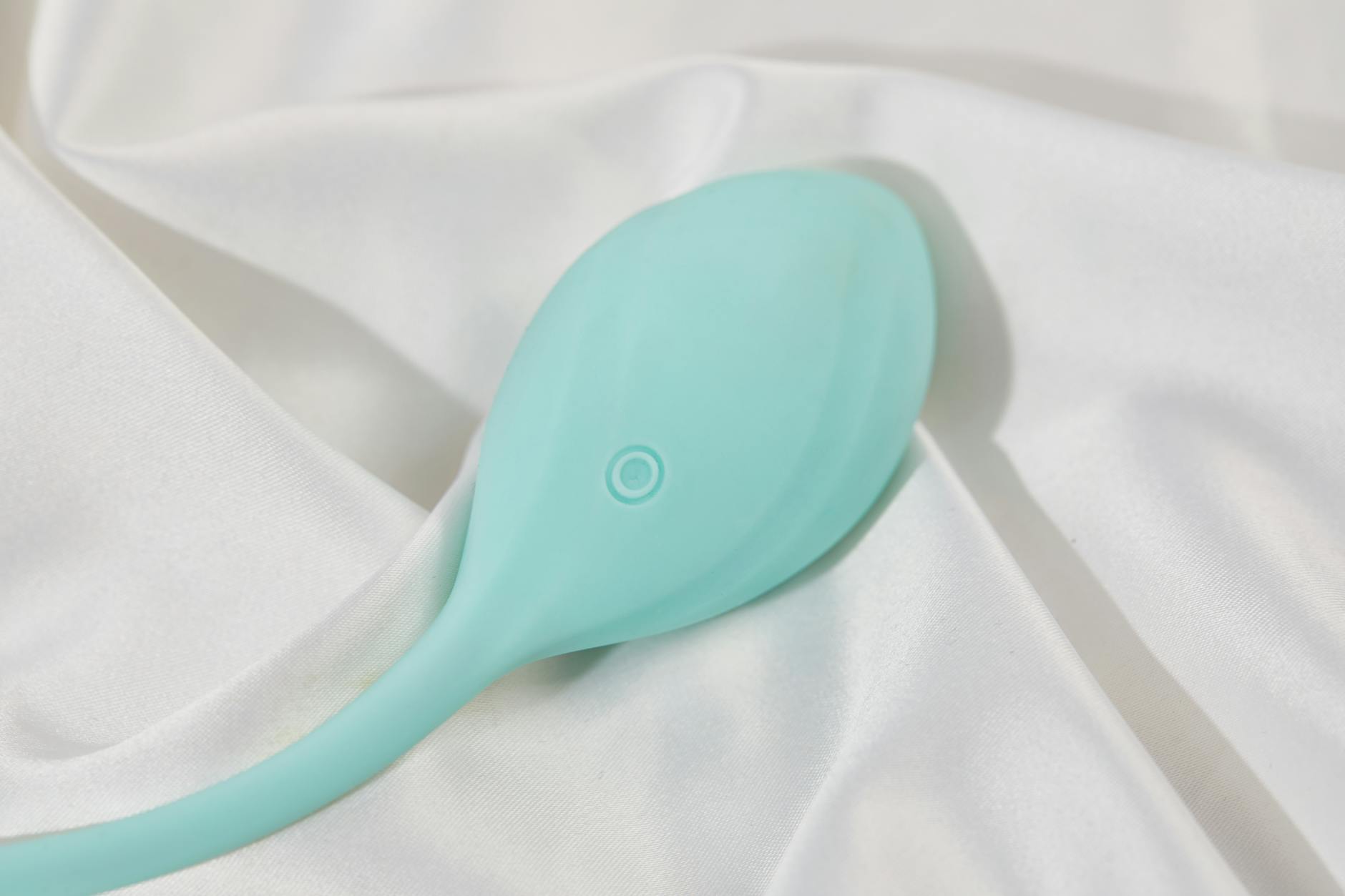
This is where a tool like the Lem makes measurable sense. Most vibrators rely on you to already be halfway to arousal. You need decent baseline sensitivity for the vibration to feel good. With a hormonal IUD dampening your nervous system, you're starting from behind.
Lemon clitoral vibrators use air-suction technology instead of simple vibration. Rather than buzzing against tissue, they create gentle pulses of suction that stimulate the clitoral complex more directly. The mechanics bypass some of the dampened sensation by activating your nerves through a different pathway.
In practical terms: when progestin has muted your direct response to touch, suction-based stimulation often registers more intensely. It's not magic. It's physiology. You're working with your changed neurology instead of against it.
Many clients on hormonal IUDs report that they can feel arousal building with a lemon clitoral vibrator when standard vibrators leave them flat. That's not a placebo. That's a different stimulation pattern activating a nervous system that's been chemically quieted.
The warm-up that actually works
With a hormonal IUD dulling sensation, your arousal timeline stretches. What used to take five minutes now takes fifteen or twenty. This isn't a sign something is wrong with you. It's your nervous system running at a different speed.
Build this into your routine as a positive rather than fighting it.
Start without any toy at all. Spend ten minutes with touch, fantasy, whatever gets you mentally engaged. Your brain needs time to shift into arousal mode when hormones are working against you. Once you feel even a flicker of mental interest, introduce the lemon clitoral vibrator at a low intensity setting. Let it build gradually. The goal isn't immediate sensation. It's giving your nervous system time to catch up.
Many people find that this slower buildup actually leads to more satisfying orgasms than the rushed version they had before. That's a genuine silver lining. You're forced to slow down, which often deepens the experience.
Managing expectations while you figure this out
Here's what I tell my clients: your pleasure hasn't disappeared. It's been repackaged. That repackaging takes time to adjust to, and it's worth taking that time seriously instead of just accepting numbness as the new normal.
If you've been on the IUD for less than six months, your body may still be adjusting. Sensation sometimes normalizes a bit as your system acclimates. If you're past that window and sensation is still flattened, you have options: talk to your doctor about whether the IUD is right for you, explore tools like a lemon vibrator that work with your current neurology, or both.
In relationships, the hardest part is often not the sensation shift itself but the emotional landing. You might feel less attracted to your partner, less interested in sex, or worried that something is broken in the relationship. Usually, it's just the IUD, not the partnership. Naming that difference clearly makes space for both of you to adjust without blame.
When sensation improves and how to notice it
If you stay on the hormonal IUD, your body may gradually recalibrate. Some people report that sensitivity returns after a year or two as their nervous system adapts to the hormone level. Others find it stays muted for the full five years and sensation snaps back once they have it removed.
Meanwhile, using a lemon sucker or other clitoral vibrator regularly actually helps. Regular stimulation keeps neural pathways active. Over time, some people find their baseline sensitivity does inch back up, especially if they're using a tool that activates sensation more efficiently than passive stimulation would.
You'll notice it in small ways first. An orgasm that lands a bit more intensely. A moment of actual desire rather than willingness. Touch that registers sooner. These aren't huge shifts, but they're real, and they build.
FAQ: Hormonal IUD and sensation
Can you use a lemon vibrator if you have a hormonal IUD?
Yes, absolutely. The vibrator sits externally on your clitoris. The IUD is in your uterus. There's no physical interference. Some people worry the vibration might affect their IUD's position, but clinical data doesn't support that. The IUD is secured by the uterine wall. External stimulation doesn't dislodge it.
How long does sensation numbness last after getting a hormonal IUD?
It varies significantly. Some people notice it within weeks; others don't feel it for months. The extent also ranges from mild to significant. Generally, if numbness hasn't improved by six months, it's unlikely to shift dramatically while the IUD is in place. That said, a small percentage of people do report gradual improvement after the first year as their body adjusts to the hormone level.
Should you remove the hormonal IUD if it's killing your sex drive?
That's between you and your doctor, but it's worth the conversation. If you value contraceptive reliability and the IUD is the best option for you otherwise, exploring tools and techniques to work with the numbness makes sense first. If the sexual side effect is genuinely unbearable, non-hormonal options like the copper IUD exist and don't affect sensation the same way.
Does a lemon clitoral vibrator feel better than regular vibrators when you're on a hormonal IUD?
Many people say yes. Air-suction stimulation registers differently in the nervous system than traditional vibration. When your nervous system is dampened by progestin, suction-based tools often feel more noticeable. That said, everyone's neurology is different. Some people get relief from any vibrator once they give themselves time to build arousal. Others find specific tools work better. Experimenting is part of figuring out your new normal.
Can you take anything to counteract the IUD's effect on arousal?
There's no magic pill that undoes hormonal IUD side effects without defeating the purpose of the IUD. Your doctor might discuss whether adding estrogen (via a pill or patch) could help, though this is uncommon and complicates contraceptive effectiveness. Mostly, it's about lifestyle support: manage stress, prioritize sleep, exercise regularly, and use tools that work with your changed neurology rather than against it.
Is the numbness permanent after you remove the IUD?
No. Once the IUD is out, the progestin levels drop quickly, usually within days. Most people report that sensation snaps back within a few weeks to a couple of months as dopamine and serotonin normalize. For some, it takes longer, especially if the IUD was in place for the full five years. Patience matters here.
The real issue: you deserve to feel pleasure on your own timeline
You chose the hormonal IUD for valid reasons. Reliable contraception matters. That choice doesn't mean accepting numbness as permanent. When hormonal birth control affects sensation, tools that work differently—like a lemon clitoral vibrator—become genuinely useful. They're not a workaround for a broken system. They're a tool that works with your changed neurology.
Take time to explore what arousal feels like now. You might find that slower buildup, deeper mental engagement, and a tool like the Lem actually create better orgasms than you had before. Or you might decide after a few months that this trade-off isn't right for you and explore other contraceptive options. Both are legitimate. What matters is making that choice consciously rather than just accepting numbness as the cost of contraception.
Your pleasure matters. Your IUD choice matters. Those two things don't have to be in conflict. You just need information, the right tools, and permission to reclaim sensation at your own pace. That's what this is about. If you're struggling to reconnect with arousal or want to talk through options that fit your life, let's connect.