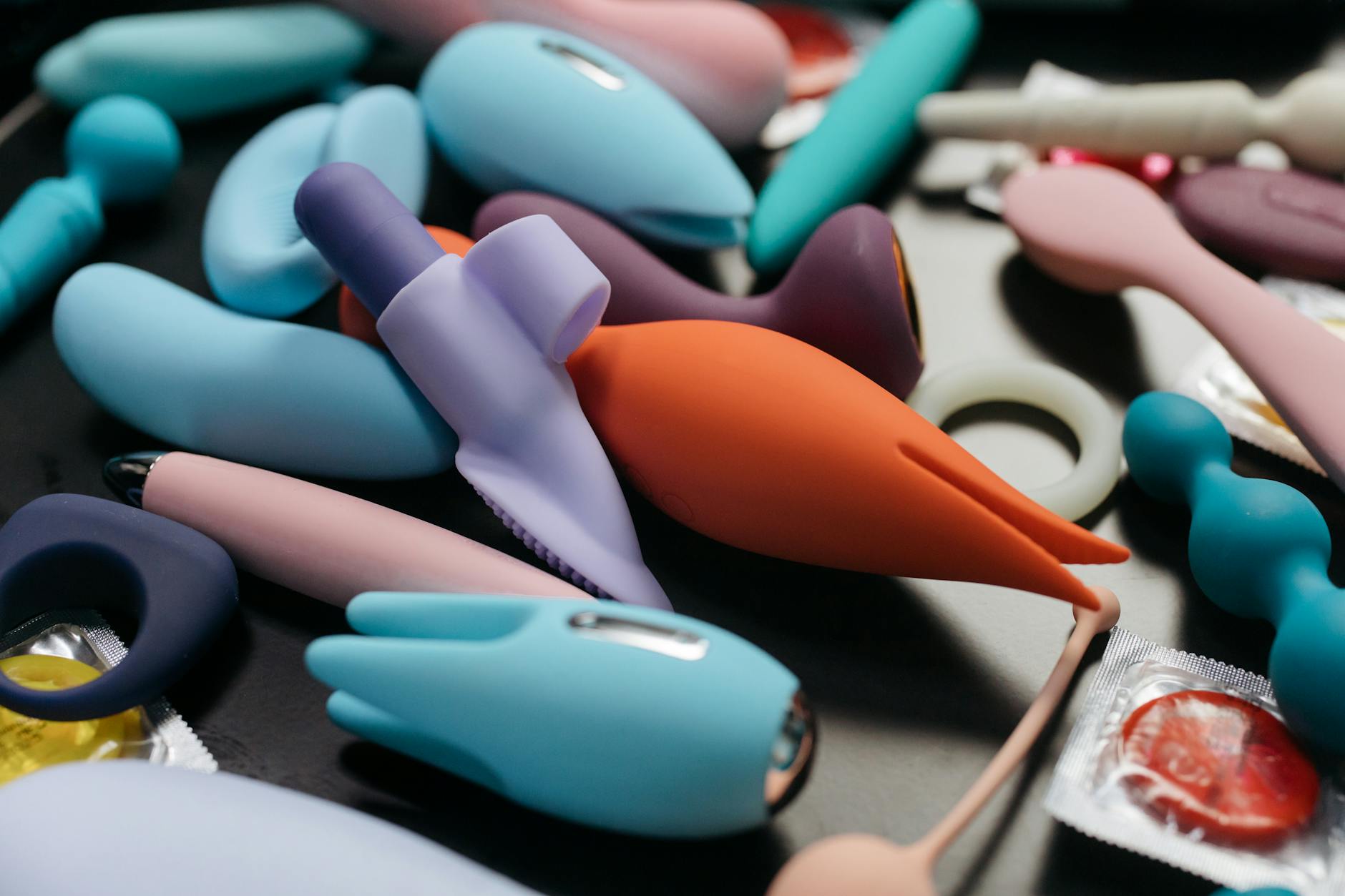
Your nervous system hasn't forgotten
Let's be real. If it's been years since you've had touch, orgasm, or any kind of sexual sensation, there's a voice in your head right now that says "what if my body doesn't work anymore?" That voice is understandable. It's also wrong.
The neurological pathways for pleasure don't atrophy. Your clitoris has roughly 8,000 nerve endings whether you've used them recently or not. What changes is access and expectation. Your body isn't broken. It's just been offline.
That's the distinction that matters.
What actually happens after a long gap
When you haven't had sexual touch for an extended period, a few things shift. First, the tissue can become less responsive to lighter stimulation because blood flow to the genital area decreases over time without sexual activation. Second, your brain's arousal pathways need a bit of retraining. Not repairing. Retraining. There's a difference.
Think of it like a muscle you haven't used. It doesn't forget how to work. It just needs a gentle reminder.
The third thing is psychological. After years without touch, there's often a combination of anticipation, anxiety, self-doubt, and sometimes grief about the time that's passed. That emotional static can get between you and sensation. A lemon clitoral vibrator bypasses a lot of that noise because the sensation is consistent, reliable, and takes the pressure off your brain to perform.
Why lemon vibrators are the easier restart
If you're thinking about restarting after a gap, traditional vibrators can feel overwhelming. They often require specific positioning, they might be too intense on tissue that's less responsive, or they feel alien enough to create more anxiety than arousal.
Lemon sexual toys work differently. Here's why they're gentler for a restart:
Suction, not just vibration. The lemon clitoral vibrator uses air-pulse technology. It creates a gentle sucking sensation rather than direct friction or buzzing. This feels less invasive and gives your nervous system an easier entry point. It's stimulating without being jarring.
Adjustable intensity. You can start at pattern one or two and work upward. Most restarting bodies need about 15-20 minutes to build arousal. A lemon sucker lets you pace that without feeling rushed.
Less sensitivity to positioning. Because the sensation is suction rather than vibration, the lemon vibrator works well even if your positioning isn't perfect or your tissue is slightly less responsive than it used to be. You're not hunting for the exact right angle.
The timeline you're probably looking at
Restarting takes time, and that's not a sign something's wrong. It's actually protective.
Week one to three, you're mostly gathering data. Can I do this without anxiety? Does it feel good? Your first orgasm after a gap might feel quieter or less intense than you remember. That's normal. Your body is recalibrating.
By week four to six, most people notice the sensation becoming richer and the orgasms building more easily. This is when you realize your body hasn't forgotten anything. It's just waking up.
Whatever you do, don't benchmark against what you felt five years ago. Your body is different now. That doesn't mean worse. Often it means different in ways that are actually better if you're patient enough to discover them.
The psychological piece that nobody talks about
Physical sensation is half of this. The other half is permission.
After years without touch, there's often an internalized message that you've somehow forfeited the right to pleasure. You might feel like you're behind, or like you should feel differently, or like pleasure isn't really for you right now. That script runs quietly in the background while you're trying to feel good.
Lemon vibrators don't fix that script. But they do something useful: they make pleasure uncomplicated. The device does one thing, clearly. You press a button. Sensation happens. There's no performance, no partner to coordinate with, no negotiation of timing or technique. Just reliable input from an object designed specifically to feel good.
That simplicity is actually freedom for a restarting body. It lets you be selfish. It lets you take your time. It lets you say no to intensity if you're not ready.
How to actually restart without pressure
Three rules that matter:
First, don't schedule it like an appointment. Pleasure doesn't work on a calendar. When you have privacy, curiosity, and time, that's when you explore. Natural interest is more important than consistency.
Second, start with solo exploration before bringing a partner back into this. Your body needs to remember its own responses without the anxiety of performing or the pressure of someone else's timeline. Solo pleasure is not a consolation prize. It's the foundation.
Third, expect the first few times to feel mechanical or awkward. That's not a failure. That's what restarting feels like. By the fifth or sixth time, your nervous system relaxes and pleasure starts to flow more naturally.
When orgasm feels different than you remember
Honestly, for most people restarting after a long gap, orgasms change. They might feel more localized. Less intense. More subtle. Some people experience them as more full-body than they used to. Some people take longer to build to them.
None of that means something's broken. It usually means you're less tense, or your body is responding differently than it did five years ago, or you're learning to feel things you didn't notice before.
The lemon clitoral vibrator is helpful here because it gives you consistent feedback. You can explore different patterns, different speeds, different timing. You're gathering real data about what your body actually responds to now, not what it used to respond to.
The first time back
Take your time. Start at a low setting. Give yourself at least 20 minutes of no other agenda. Your nervous system will probably feel a little strange at first. That's your body recognizing sensation after a gap. It's not pain or wrongness. It's just newness.
If you feel anxiety arise, pause. Breathe. Maybe come back to it in a few days. Restarting isn't about pushing through. It's about gentle, consistent curiosity.
And here's the thing nobody tells you: after years without touch, the first real orgasm you have is genuinely powerful. Your body knows what it's been missing. Once it remembers, pleasure often comes back faster and richer than you'd expect.
What happens after the restart
Once you've restarted and your nervous system has remembered what pleasure feels like, you can decide what comes next. Some people restart solo and keep it that way. Some people invite a partner back in. Some people discover they actually prefer one or the other.
The point is you're no longer making that decision from a place of "my body doesn't work anymore." You're making it from a place of knowing what feels good and what you actually want.
That shift is everything.
FAQ
Is it normal for orgasms to take longer after a long gap?
Completely normal. Your nervous system hasn't had that stimulation pathway activated in years. It takes 10-20 minutes for most people to rebuild arousal pathways after a long absence. This doesn't mean anything is wrong. It means your body is recalibrating. Lemon vibrators help because you can start at lower intensities and build gradually, which matches your nervous system's pace.
Will sensation come back the same way it was before?
Often not exactly the same, and that's actually okay. Your body has changed. Your hormones might be different. Your pelvic floor might respond differently. Your brain's relationship to pleasure might be different. Sometimes those changes mean orgasms feel quieter but more full-body. Sometimes they feel more intense and localized. The variation is data, not failure.
How long does it take to feel "normal" again after a restart?
Most people report that by week four or five of regular solo exploration, pleasure starts to flow more naturally. By week eight to twelve, the nervous system has usually rewired enough that orgasm feels less effortful. Don't rush it. The timeline is different for everyone based on how long the gap was and what your body's current baseline is.
Can I use lemon vibrators with a partner after I restart solo?
Absolutely. In fact, solo restarting first usually makes partnered sex easier because you already know what works for your body. You can guide your partner or use the vibrator during partnered sex. Communication is key. Let them know you're still in a restarting phase and that your needs might be different than they were before the gap.
What if I don't feel anything the first time I use a vibrator?
Don't panic. Sometimes the first time feels like nothing because your body is too tense or your brain is too in your head. Try again in a few days. Give yourself permission to not feel anything immediately. Sensation often builds gradually over the first few sessions. Also, make sure you're using a water-based lubricant if you're using any toy, because tissue responsiveness improves with lubrication.
Should I see a doctor before restarting if I've had a very long gap?
If you've had pain during sex, significant hormonal changes, recent surgery, or if there's any medical reason for the long gap, yes. A quick conversation with your doctor or a gynecologist can rule out anything that needs medical attention. If it's just been years without touch and no medical complications, you're good to restart on your own pace.
The bottom line
Your body hasn't forgotten how to feel good. It's just been waiting for permission and the right kind of invitation. A lemon clitoral vibrator makes that invitation simple, consistent, and gentle. Start solo. Take your time. Let sensation rebuild at its own pace. Within a few weeks, you'll likely be surprised how quickly your nervous system remembers what pleasure feels like.
If you want support thinking through the emotional side of reconnecting with your body, or if you're navigating this restart with a partner, I'm here. Reach out anytime.