Okay, let's be honest about endometriosis and pleasure
Endometriosis doesn't just hurt. It changes how pleasure feels, which is a different problem entirely and way less talked about. The pain is real. The fog around pleasure is real too. And I want to start by saying this clearly: wanting pleasure while managing chronic pelvic pain isn't selfish or tone-deaf to your own body. It's actually how you build resilience and reclaim autonomy.
Here's what happens physically when endometriosis is present. The lesions and inflammation make the pelvic floor hold tension differently. Blood flow patterns shift. The nerves in the region become hypersensitized, meaning light touch can feel intense in ways that are distracting rather than pleasurable. At the same time, deeper pressure sometimes feels better, not worse, because it meets the tissue where it actually is rather than skimming over inflamed areas.
Lemon vibrators work particularly well in this situation because of how they're designed. Unlike traditional bullet vibrators or wands that rely on repetitive forward-and-back friction, lemon clitoral vibrators use suction-based stimulation. That distinction matters enormously for people managing endometriosis.
Why suction changes the game for endometriosis pain
Suction doesn't require tissue to move the way friction does. When you use a traditional vibrator on already-inflamed tissue, the movement can trigger micro-tears or intensify the inflammatory response. Suction, by contrast, creates a gentle seal and stimulates through pressure waves rather than motion. The stimulation happens without the tissue having to absorb mechanical stress.
For someone with endometriosis, this is genuinely different. The clitoral tissue itself is usually less affected by lesions than the deeper pelvic structures, but the surrounding inflammation can make even that area feel raw or oversensitive. Suction-based lemon vibrators let you access pleasure without that raw, burnt-out feeling that comes from friction-based stimulation.
Here's something I see repeatedly: people with endometriosis report that lemon sucker-style toys feel gentler on flare days while still delivering real sensation on lower-pain days. The intensity can be modulated without losing the pleasure. That flexibility matters when your body changes week to week.
The intensity question: why less isn't always better
There's a myth that people with chronic pain need lower intensity across the board. That's not actually true for clitoral stimulation specifically. What you need is the right intensity for your nervous system on any given day, which is different from saying "turn it down."
Many lemon vibrators come with multiple intensity settings and pattern options. The lowest settings are useful for flare days or when you're just starting out. But the mid-range settings often feel best for people with endometriosis because they provide enough sensation to override the pain signals without being so intense they trigger inflammation.
This is about understanding your own pain baseline. On a day when your pelvic pain is sitting at a 3 out of 10, you might want intensity level 5 on your lemon vibrator. The sensation kind of drowns out the background discomfort. On a flare day when pain is at a 7, you might use intensity level 2 or 3, and the goal shifts from pleasure to nervous system regulation. Both are valid uses.
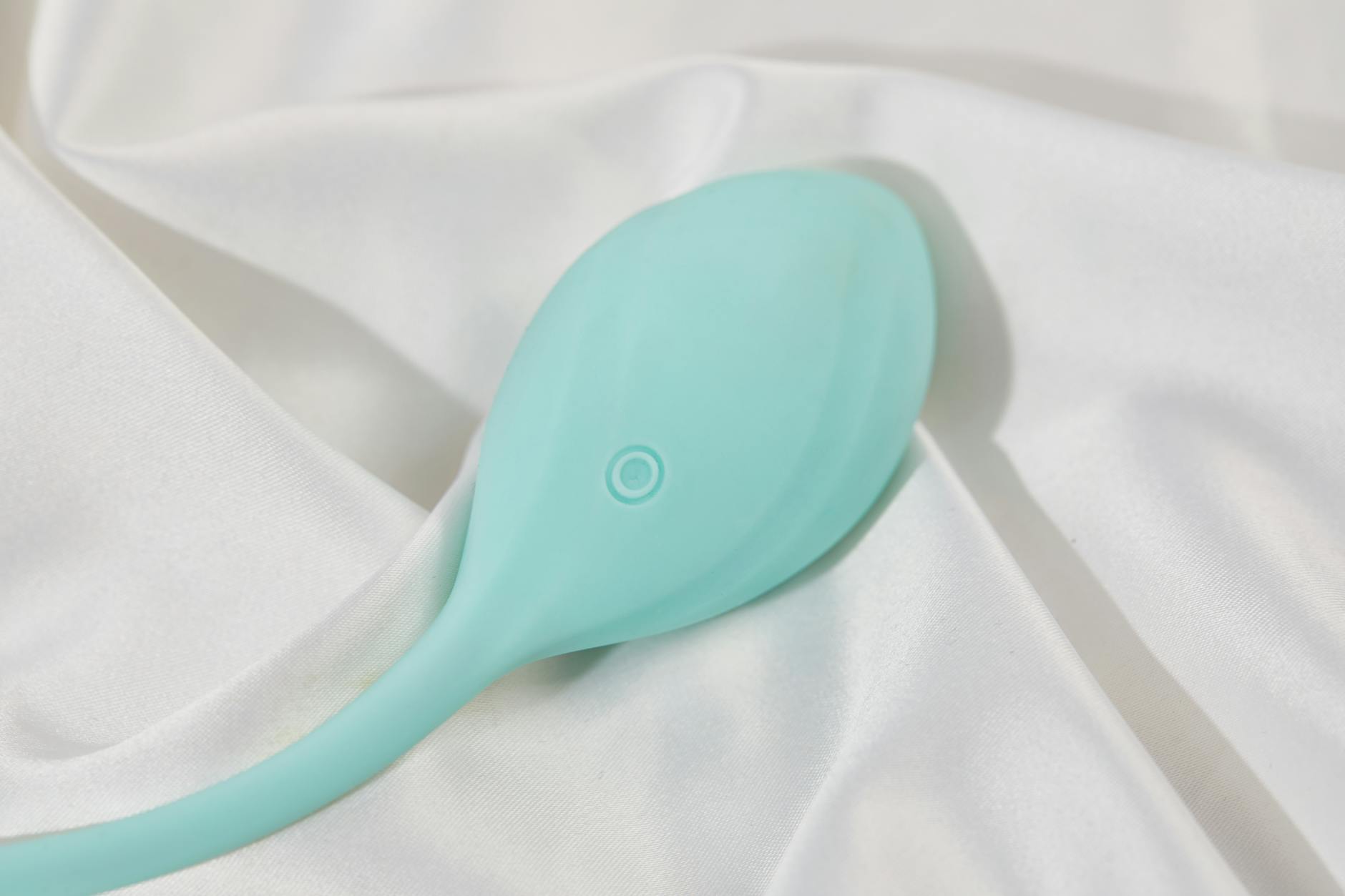
Photo by IFONNX Toys on Pexels
Lubrication, barrier changes, and what actually helps
Endometriosis often comes with changes to cervical mucus and lubrication patterns, especially if you're using hormonal suppression like the pill or IUD. You might also notice that lubrication feels different depending on where you are in your cycle or whether you're on your period.
Here's my recommendation: use water-based lubricant even if you think you don't need it. The reason isn't that your body is broken. The reason is that lubrication reduces friction, and reducing friction reduces inflammation triggering. It's protective, not a sign of dysfunction.
For people using hormonal IUDs or continuous-cycle birth control, the external tissues can become a bit drier. This is manageable. Water-based lube, applied generously, means your lemon vibrator creates suction without any adhesion or drag. The experience is smoother, and your tissues don't absorb unnecessary stress.
Silicone-based lubes are richer and last longer, but they'll damage silicone vibrators. Stick with water-based for your lemon adult toys.
Positioning and pelvic floor awareness matter more than you think
Endometriosis often lives in specific spots. For many people, the worst adhesions are deep in the pelvis, below the pubic bone or around the bowel. This means that how you position your body during pleasure actually shifts which tissues absorb pressure.
Lying on your back with a pillow under your hips changes the angle. Lying on your side with knees bent changes it again. Standing with knees slightly bent shifts the pelvic floor engagement entirely. None of these is inherently better. But one of them will probably feel noticeably different from the others.
I also want to flag something about pelvic floor tension. Endometriosis tends to correlate with pelvic floor dysfunction, which means the muscles are often already tight and protective. When you add stimulation, sometimes the pelvic floor clamps down harder as a protective reflex. That's not failure. That's information.
If you notice that happening, pause. Breathe into your belly for a few breaths. Let the pelvic floor relax. Then start again slowly. The goal isn't to push through tension. The goal is to teach your nervous system that pleasure doesn't have to mean gripping.
When to pause and what flares actually need
Flares happen. On a real flare day, you might not want to use a lemon vibrator at all, and that's completely fine. But there's a middle ground: days when you're above baseline but not in crisis. Those are often the days when gentle stimulation actually helps regulate your nervous system downward.
Light suction at low intensity on a flare day can feel soothing in the way that a heating pad does. It's not about achieving orgasm. It's about signaling safety to your nervous system. If that resonates with you, know that it's a legitimate use.
If penetration is part of your pleasure and endometriosis makes it painful, lemon vibrators are clitoral tools, which means they sidestep that problem entirely. You get pleasure without the tissue that's most likely to be affected by lesions.
The relationship conversation you might need to have
If you're with a partner, endometriosis often becomes a couples issue whether you planned for it to or not. Your partner might feel rejected on flare days. You might feel guilty about your changing capacity. The pleasure piece gets tangled up in obligation and worry.
Here's what I tell people: separate the conversation about your body from the conversation about your relationship. "I'm having a flare and I don't want penetration today" is not the same as "I don't want you." "I want to explore pleasure on my own terms with a lemon vibrator" is not rejection of partnered sex.
If your partner wants to be involved, you could use a clitoral vibrator together. If you want solo time to explore what actually feels good without performance pressure, take it. The healthiest endometriosis sex lives I see involve people who've stopped trying to force the old rhythm and invented a new one.
When to check in with a doctor
If penetration becomes suddenly more painful, get that checked. If orgasms start triggering intense cramping where they didn't before, that's worth mentioning to a gynecologist. If you're bleeding during or right after stimulation, talk to someone.
Lemon vibrators and other toys are tools for pleasure, not medical devices. They don't treat endometriosis. They don't change lesions or reduce inflammation systemically. What they do is help you access pleasure despite endometriosis, which is honestly its own kind of important.
If you're interested in exploring lemon clitoral vibrators but worried about pain, start with the lowest intensity setting. Most people with endometriosis find that a quality lemon vibrator unlocks pleasure they thought was off the table. That reclamation matters.
People also ask
Can you use lemon vibrators during your period with endometriosis?
Yes, but with caveats. Period cramps and endometriosis pain are different, though they often coexist. Some people find that gentle suction actually helps regulate the cramping by creating a competing sensation. Others find that any stimulation makes cramps worse. You'll know your body better than anyone. If you want to try it, go low intensity and notice what happens. If it helps, great. If it makes pain worse, stop. Honor what your body tells you.
Do you need special lube for lemon vibrators if you have endometriosis?
Not special, but generous. Water-based lube is standard for all silicone vibrators. For endometriosis specifically, using more lube than you think you need reduces friction and inflammation triggering. Reapply mid-session if you need to. There's no such thing as too much lube when you're managing chronic pelvic pain.
How do you know if a lemon vibrator is causing endometriosis pain versus regular pleasure sensation?
This is the question nobody asks but everyone needs answered. Endometriosis pain usually feels like a sharp, localized discomfort deep inside the pelvis or lower belly. Pleasure sensation, even intense pleasure, usually radiates outward or feels concentrated at the clitoris. If you're feeling a sharp, deep ache during or right after use, pause. If you're feeling warmth, tingling, or concentrated sensation at the clitoris, you're probably fine. Trust the difference between ache and sensation.
Will using a lemon sucker make my endometriosis worse?
No clinical evidence says that pleasure causes endometriosis progression. What we do know is that inflammation and adhesions are the problem, not orgasm. In fact, orgasm can reduce inflammation temporarily by lowering cortisol. The concern isn't that lemon vibrators harm endometriosis. The concern is that poorly-chosen stimulation might trigger short-term pain. That's manageable. Start slow, use lube, notice your body. You're not making endometriosis worse by seeking pleasure.
Can lemon clitoral vibrators help with the emotional toll of endometriosis?
Indirectly, yes. Reclaiming your body as a source of pleasure rather than just pain is psychologically significant. It's not therapy and it's not a cure. But it's part of building resilience and agency. If you've spent months or years associating your pelvis with pain, relearning that pleasure is possible there is genuinely healing. That emotional shift matters alongside whatever medical treatment you're doing.
What intensity level is safest for endometriosis?
There's no universal answer, which is annoying but true. Some people need low intensity. Some people benefit from mid-range. Pain baseline, flare severity, and individual sensitivity all factor in. The approach I recommend: start at the lowest setting, use it for a few sessions, then try moving up one level. Notice what feels good versus what triggers pain. Your body will tell you the right intensity. It's not about finding the "safest" setting universally. It's about finding your setting.
Endometriosis is complicated and deeply personal. What works for someone else might not work for you. What works for you one week might not work the next. That variability isn't failure. It's just the reality of managing chronic pain while reclaiming pleasure. A quality lemon vibrator gives you a tool that's flexible enough to move with your body. That matters.