
Here's what nobody tells you about desire in long-term relationships
After ten years together, most couples experience a dip in sexual frequency and spontaneity. That's not a relationship failure. That's completely normal neurochemistry. The initial dopamine surge of novelty fades. Life gets crowded with mortgages, work stress, and the grinding logistics of keeping a household running. Desire doesn't disappear. It gets buried under everything else.
But here's the part that matters: desire can come back. Not as a return to the early weeks of the relationship, but as something different and often deeper. The barrier isn't biological. It's psychological and, honestly, logistical.
Why desire actually fades (and it's not what you think)
Most couples assume low libido in midlife relationships means one partner has "lost interest" in the other. That's rarely true. What's actually happening is more nuanced.
First, novelty has worn off. Your brain isn't flooding your body with dopamine every time you touch your partner anymore. That's not tragic. That's just how neurochemistry works. The initial excitement phase lasts about two to three years. Then your nervous system adapts, and you have to actively create stimulation and anticipation instead of having it happen automatically.
Second, stress gets in the way more than we admit. When you're managing work deadlines, family obligations, and the mental load of relationship maintenance, the brain's arousal circuits don't fire as easily. Especially for people with vulvas, arousal requires a specific kind of cognitive quietness that's hard to find when you're also thinking about the overdue electric bill.
Third, physical changes happen. Hormone shifts, changing sensitivity to touch, shifting energy levels across the day. None of this means desire is gone. It means the pathway to desire has changed.
The conversation that actually fixes this
Most couples try to fix low desire by scheduling more sex or trying new positions. Both miss the point. The real work happens in a conversation that most people never have.
You need to separate three different things: desire, arousal, and the decision to have sex. They're not the same thing. You can decide to have sex without feeling strong desire beforehand. You can feel arousal without desire. And you can feel desire without being ready to act on it right now.
When couples conflate these, everything breaks down. One partner thinks low arousal means low desire means low love. The other feels pressured and resentful. The whole thing becomes loaded and impossible.
The conversation that works is simple: "I miss this with you. I want to rebuild it together. What would help?" Not "Why don't you want me anymore?" The first opens space for problem-solving. The second triggers defense.
Where lemon vibrators actually enter the picture
Here's why lemon sexual toys and clitoral vibrators like the Lem matter in this context: they solve a specific, underdiagnosed problem in midlife relationships.
When desire is low, arousal takes longer to build. The nervous system needs more time, more consistency, more direct stimulation. A lemon clitoral vibrator shortens the gap between deciding to be intimate and actually feeling ready. It also provides a form of stimulation that partners can't replicate with hands or bodies alone.
This matters because it removes performance pressure. If your partner is using a clitoral vibrator, you're not responsible for "getting them there." You're both participating in pleasure. That changes the dynamic completely. The pressure dissolves. The collaboration increases.
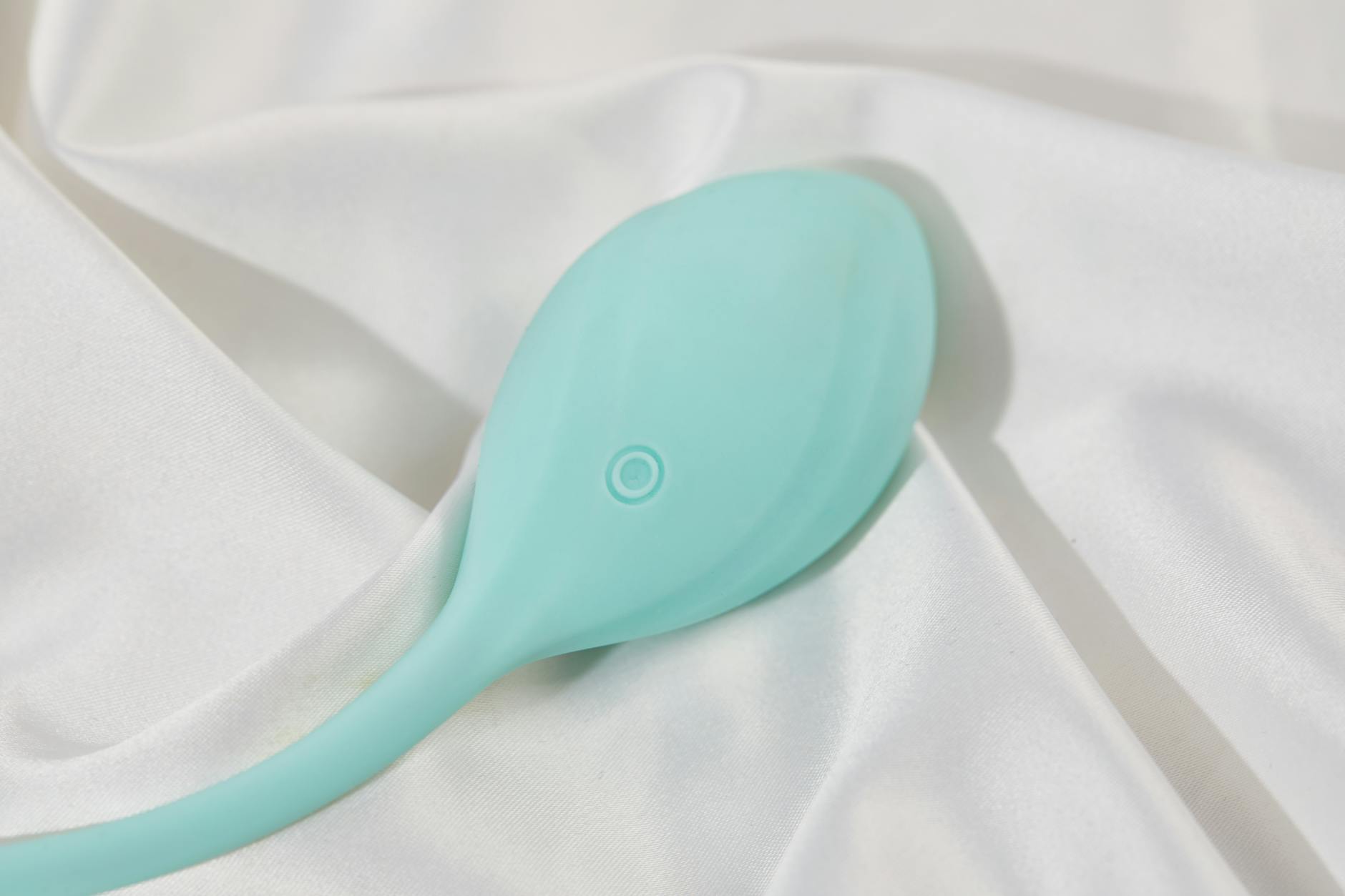
Photo by IFONNX Toys on Pexels
Lemon vibrators, and the lem vibrator in particular, work well for this because they're designed with clitoral stimulation in mind. The suction pattern mimics what many bodies respond to naturally. They're also compact and quiet, which matters when you have kids in the house or you're just trying not to feel self-conscious.
The step-by-step approach that actually works
If you're in a long-term relationship and desire has dimmed, this is the practical path forward.
Step one: Normalize it separately. Before you bring this to your partner, get comfortable with pleasure on your own. Whether that means solo time with a lemon sucker or just remembering what turns you on. You can't rebuild desire in a partnership if you've lost touch with it individually.
Step two: Introduce the tool as exploration, not a fix. Don't frame it as "My libido is broken, we need to use this." Frame it as "I want to explore what feels good with you. Can we try this together?" Massive difference in how it lands.
Step three: Use it in foreplay, not as a replacement. Lemon clitoral vibrators work best when they're part of the process, not the whole event. They get you aroused, connected, present. Then you continue together however feels right.
Step four: Debrief afterward. What felt good? What do you want to do differently next time? This turns each intimate encounter into data you're gathering together, not a pass-fail test.
The specific ways this rebuilds desire
When couples start using clitoral vibrators together, a few things shift.
First, there's novelty again. It's not the rushing dopamine of a new relationship, but there is genuine newness in the experience. Your brain notices that.
Second, there's less frustration. If one partner typically takes longer to orgasm, a vibrator removes that as a source of tension. You're not lying there wondering if something's wrong. You're just using a tool.
Third, there's more permission. People in long-term relationships often feel they have to be a certain way in bed. "I'm the one who initiates" or "I don't ask for what I want" or "I should come from this, not that." Bringing a toy into it breaks those scripts. Suddenly you're both learning what you actually want instead of performing who you think you should be.
Fourth, and this is big: there's time. Foreplay that used to feel rushed or awkward becomes an actual event. You're not trying to fit sex into 15 minutes before sleep. You're creating space for pleasure specifically. That time shift alone rebuilds desire because desire needs time to exist.
The research behind why this works
Studies on couples who introduce sex toys report increased sexual satisfaction and relationship satisfaction overall. Not because the toy is magic, but because it requires communication, removes performance pressure, and extends the time spent on mutual pleasure.
One study from 2017 found that couples who used vibrators together reported higher rates of orgasm and higher sexual satisfaction. More importantly, they reported less anxiety during sex. That's the piece that matters for desire. When anxiety drops, arousal becomes possible.
For midlife couples specifically, research on couples therapy shows that most interventions fail when they focus only on frequency ("have more sex") and succeed when they focus on quality and communication. A tool like a lemon vibrator works because it forces better communication. You have to talk about what you want, what feels good, what the next step is.
The part about pleasure mattering more now
Here's something I tell clients constantly: you're not trying to recreate the sex you had at 25. That's impossible and also not the goal. You're trying to build sex that works for who you are now.
At midlife, you probably know yourself better. You know what you like and what you don't. You're less likely to do things just because you think you should. If you can bring that honesty into intimacy, you end up with something better than novelty. You end up with real connection.
Lemon vibrators and clitoral stimulation tools fit into that because they're about pleasure, not performance. They're designed around how bodies actually respond, not around some outdated idea of how sex "should" work.
When you use a lem vibrator or any quality clitoral vibrator with your partner, you're essentially saying: "Your pleasure matters. I'm invested in this. Let's figure this out together." That's desire rebuilding itself.
What to actually expect in the first month
Don't expect the first time to be perfect or feel natural. It won't. You might feel self-conscious. The logistics might be awkward. You might have to adjust the angle or the pressure or the vibe pattern.
All of that is normal and actually a good sign. It means you're paying attention and adjusting instead of going through the motions.
What often happens by week three or four is that the newness settles into something genuine. You stop thinking about the toy and start thinking about the pleasure. The embarrassment or weirdness fades. And desire, the actual wanting to be intimate with this person, starts to come back.
That's the real shift. The tool isn't the goal. Reconnection is. The tool is just a really effective way to get there.
Making this work in the real logistical world
I know what you're thinking: where do you even have sex with a partner when there are kids in the house, you're exhausted, and privacy is a theoretical concept.
There's no perfect answer, but here's what works for most couples. You need one protected window. Maybe it's Saturday afternoon when kids are at school. Maybe it's a locked door for 45 minutes after bedtime. Maybe it's once a month at a hotel where you actually have space and quiet.
You're not going to suddenly have a thriving sex life if you're trying to fit it between soccer practice and work emails. You need time protected like you'd protect a business meeting. That sounds unromantic and it is. But it's also realistic, and realistic is what actually sustains intimacy over decades.
Invest in a small, discreet storage solution for your lemon vibrator or clitoral toy. Keep it accessible and clean. Treat it like the tool it is, not like something shameful to hide. That matters more than you'd think.
The relationship outcome nobody expects
Here's what I've observed in my practice: couples who work on rebuilding desire in midlife relationships often report that intimacy becomes less fragile. Because you've had to talk about it, make intentional choices, and problem-solve together, sex becomes something you're actively maintaining instead of something you're hoping just happens.
That's not less romantic. That's more honest. And honesty is what actually sustains desire over time.
Your desire in year 15 of a relationship isn't supposed to feel like year two. It's supposed to feel like something you built together, that you understand, that you can return to even after weeks of chaos. Lemon vibrators help you get there because they require you to be explicit about what you want. And explicitness is how desire stays alive.