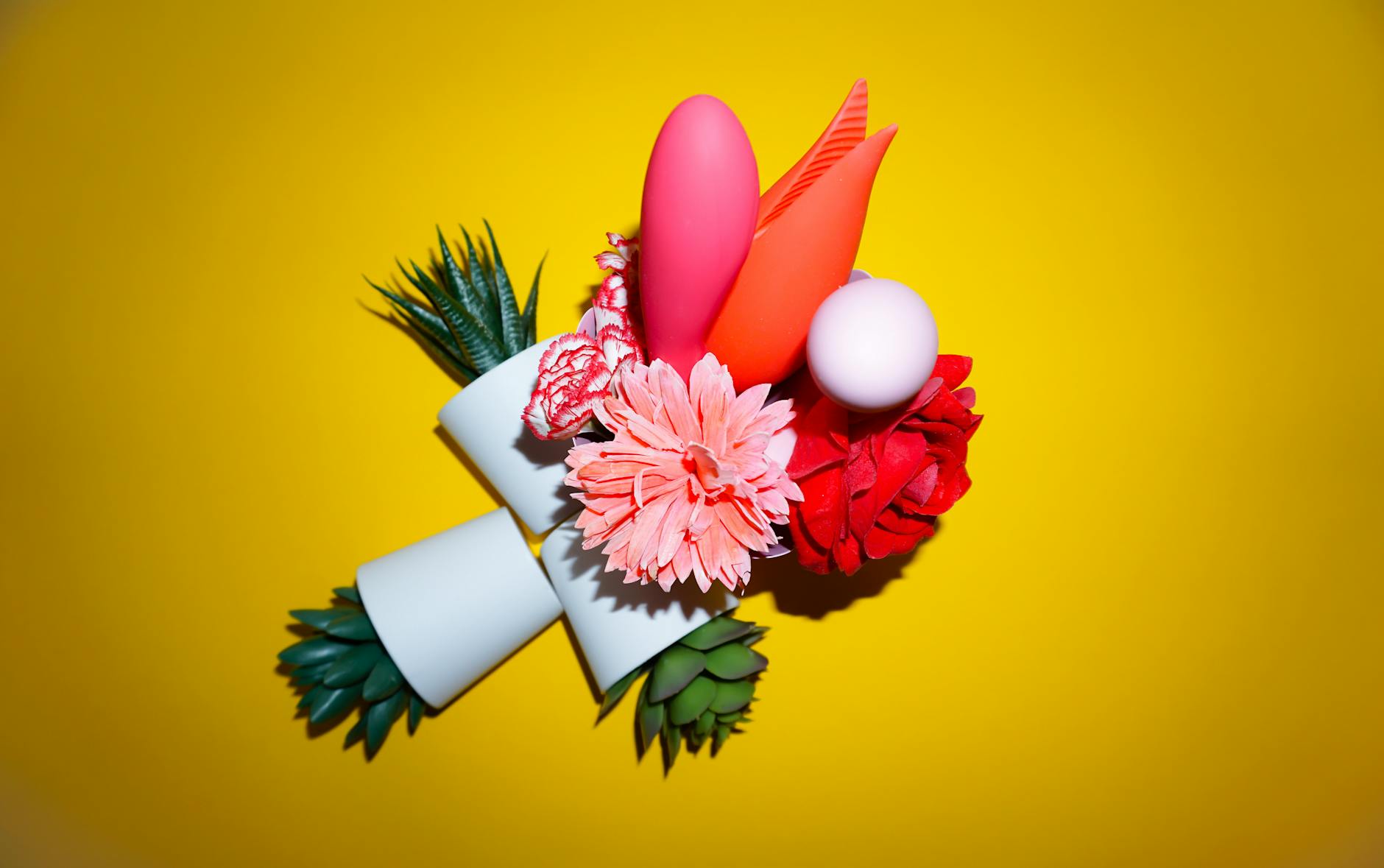
If your skin reacts to everything, you're not alone
Sensitive skin doesn't just mean your face gets red from that new moisturizer. It means vulvar skin, which is thinner and more permeable than anywhere else on your body, can react to materials most people tolerate fine. Itching, redness, swelling, irritation that lasts hours after use. It's miserable, and it's the reason a lot of people with sensitive skin assume vibrators just aren't for them.
Here's the thing: the material matters way more than most sex toy brands admit.
What makes lemon vibrators hypoallergenic
Hello Nancy's lemon vibrators are made from medical-grade silicone. That's not marketing language. Medical-grade means it's been tested to biocompatibility standards (ISO 10993) that hospitals use for implants and catheters. It has zero fillers, zero phthalates, and zero porous surfaces where bacteria hide.
Compare that to cheaper vibrators made from:
PVC and jelly rubber (common in budget toys) contain plasticizers like phthalates that leach into skin over time. They're porous, so they trap bacteria and are basically impossible to fully sterilize.
Thermoplastic elastomer (TPE) feels squishy and forgiving, but it's porous. It absorbs lube, bacteria, and skin cells. Exactly what sensitive skin doesn't need.
Rubber or latex trigger reactions in people with latex sensitivity, which is more common than you'd think.
Medical-grade silicone does none of those things. It's non-porous, non-reactive, and doesn't break down or leach anything into your body. That's why it's used in medical devices.
For people with vulvar sensitivity, eczema, or contact dermatitis, this difference is the difference between pleasure and pain.
The texture question: smooth versus textured
There's a myth that textured surfaces (ribbed, bumpy, studded) give better sensation. For sensitive skin, they often do the opposite. Textured surfaces create more friction points and more opportunity for irritation. Smooth silicone distributes pressure evenly across delicate tissue without micro-abrasion.
The lemon vibrator design is intentionally smooth. The shape itself provides stimulation. You're not fighting texture AND sensitivity at the same time.
Why porous surfaces are the enemy
Porous materials (anything that has tiny holes or an uneven surface at the microscopic level) absorb moisture and bacteria. This creates what's called biofilm, a slimy layer of microorganisms that hides inside the material where soap and water can't reach.
For most people, this is annoying. For people with sensitive skin or recurrent yeast infections, it's a trigger. A non-porous lemon clitoral vibrator eliminates that problem entirely.
A quick test: if your vibrator ever gets a sticky or slimy feeling over time, even after washing, that's biofilm building up. It means the material is porous. Medical-grade silicone never does this.
Lube compatibility: another hidden sensitivity risk
Most people don't think about whether their lube plays nicely with their toy material. It matters a lot.
Silicone-based lubes can degrade silicone toys over time, creating tiny cracks where bacteria hide. Water-based lubes are the safe pairing for silicone vibrators. The Hello Nancy lemon vibrator manual recommends water-based, which means less risk of material breakdown and skin sensitivity from those cracks.
Cheaper toys made from TPE or PVC are less picky about lube, which sounds like an advantage until you realize those materials are already breaking down slowly and leeching chemicals. Better to use the right lube with a material that's stable.
The allergen question: what actually triggers reactions
True silicone allergies are vanishingly rare (less than 0.1% of the population). What's actually common:
Latex sensitivity (about 1% of people, much higher in healthcare workers). Silicone toys bypass this entirely.
Phthalate sensitivity. PVC and rubber toys contain these plasticizers; silicone doesn't.
Fragrance or additive sensitivity. Some manufacturers add perfume or color dyes to silicone. Hello Nancy's toys are unfragranced and use medical-grade colorants that don't leach.
Lube ingredient reactions. If your skin reacts to your lube, your skin might react to the residue left on a porous toy. Non-porous silicone is easier to rinse completely.
If you've had reactions to other vibrators but haven't tried a proper medical-grade silicone toy, there's a very good chance lemon vibrators will feel completely different on your skin.
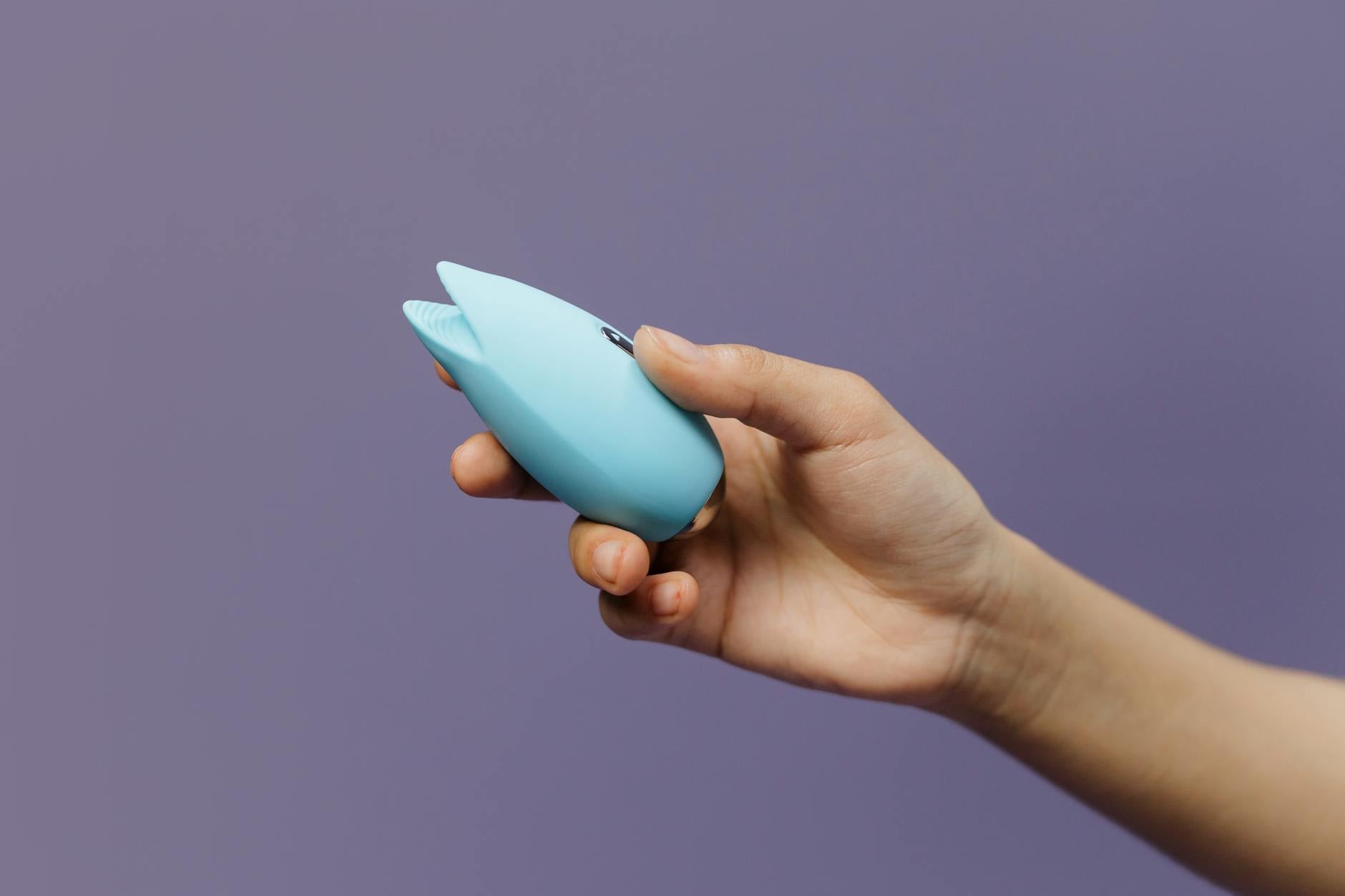
Photo by cottonbro studio on Pexels
How to care for silicone toys to avoid skin irritation
Even medical-grade silicone needs care. Here's what sensitive skin demands:
Wash before and after use. Warm water and a fragrance-free intimate wash, or just mild soap. Dry completely with a clean cloth. Dampness breeds bacteria.
Never use silicone lube on silicone toys. This is the number-one mistake people make. Water-based lube only. It washes off easily and doesn't degrade the toy.
Store in a clean, dry place. A dedicated toy drawer or pouch, not a bathroom cabinet where humidity and dust accumulate.
Check regularly for damage. Tiny tears or cracks in silicone are rare, but if they happen, bacteria can hide inside. A damaged toy isn't safe, even if it still works.
Boil or use a toy cleaner weekly if you use it frequently. Silicone can tolerate boiling water (unlike most other materials). This kills bacteria and resets the surface. Alternatively, a specialized toy cleaner spray works fine for daily maintenance.
These steps sound tedious, but they take maybe 90 seconds per use. For someone whose skin reacts to everything else, that's a tiny price for pleasure without consequences.
What to expect when switching to medical-grade silicone
If you've used PVC or TPE toys before and felt irritation, the first time you use a lemon vibrator might feel surprising. Not different sensation-wise necessarily. Different in the way your skin feels hours afterward.
No itching. No redness. No weird tightness or rawness that makes you regret it the next day.
Many people with sensitive skin describe it as relief. Like finally using a product made for bodies like theirs, not a generic product that happens to cause problems.
If you're still feeling irritation with a medical-grade silicone toy, the culprit is usually lube or technique (too much friction), not the toy itself. A water-based lube swap often solves it immediately.
The bottom line
Sensitive skin isn't a reason to avoid vibrators. It's a reason to be more thoughtful about material. Lemon vibrators, made from medical-grade silicone, remove most of the common irritants that make cheaper toys problematic for sensitive bodies.
If you've had bad experiences with vibrators before, it wasn't your skin being broken. It was probably the toy being made from the wrong material. Medical-grade silicone changes that equation entirely.
Ready to try something that actually works with your skin instead of against it? Start with a visit to Hello Nancy's buying guide to find the right toy for your sensitivity level and preference.
People also ask
Is silicone safe for sensitive vulvar skin?
Yes. Medical-grade silicone is biocompatible and has been tested to the same standards as hospital-grade implants. It's non-porous, non-reactive, and doesn't leach chemicals into skin. It's one of the safest materials you can use on sensitive tissue.
Can lemon vibrators trigger yeast infections?
Not if cared for properly. The biggest risk with vibrators and yeast infections is biofilm buildup on porous materials. Non-porous silicone eliminates that risk. Washing before and after use, using water-based lube, and air-drying completely also reduce infection risk with any toy.
What's the difference between medical-grade and regular silicone?
Medical-grade silicone has been tested to biocompatibility standards (ISO 10993) and contains no fillers, phthalates, or additives. Regular silicone may contain fillers or dyes that can irritate sensitive skin. Medical-grade is always the safer choice for intimate use.
Can I use silicone lube with lemon vibrators?
No. Silicone lube degrades silicone toys over time, creating tiny cracks where bacteria hide. Always use water-based lube with silicone vibrators. Water-based lube is also easier to wash off and less likely to irritate sensitive skin.
How often should I clean my silicone vibrator?
Wash it before and after every use with warm water and fragrance-free soap. For deeper cleaning, boil it weekly or use a toy cleaner spray. Proper cleaning removes bacteria and keeps the surface smooth and safe for sensitive skin.
What should I do if I feel irritation after using a silicone vibrator?
First, rule out lube. Switch to a fragrance-free, hypoallergenic water-based lube and try again. If irritation continues, reduce friction by using more lube or adjusting technique. If irritation persists with medical-grade silicone and proper care, you may have a true allergy, but this is rare and worth discussing with a healthcare provider.