Here's the thing about anxiety and orgasm
It's not that anxiety makes orgasm impossible. It's that anxiety is fundamentally incompatible with the neurological state orgasm requires. Your brain can't be scanning for threats and surrendering to pleasure at the same time. It's not a willpower problem. It's a nervous system problem.
If you've noticed that orgasm feels achievable alone but vanishes the moment performance pressure enters the room, or if your brain floods with "what ifs" right when sensation peaks, you're experiencing anxiety-driven orgasm block. It's one of the most common issues I see, and it's genuinely treatable.
Why anxiety hijacks arousal
When you're anxious, your sympathetic nervous system (the "fight or flight" branch) activates. Blood flow redirects from your genitals toward your limbs. Your pelvic floor tightens. Your attention narrows to threat-scanning instead of sensation. Orgasm requires the opposite state: parasympathetic activation ("rest and digest"), relaxed muscles, and sustained sensory focus.
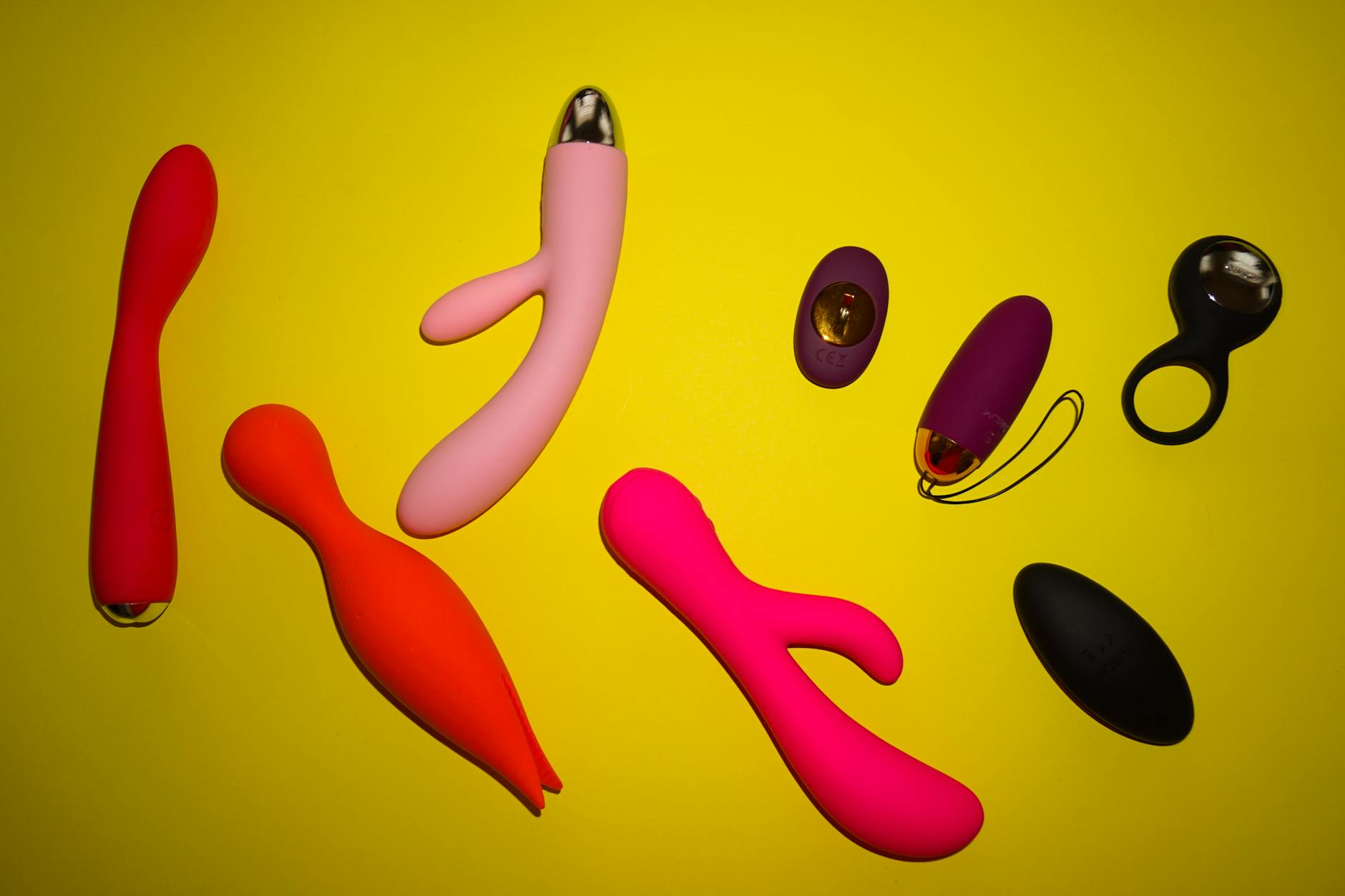
Lemon clitoral vibrators are useful here because they offer something your nervous system needs: reliable, consistent stimulation that your brain can trust. Instead of waiting for the "right" sensation to appear, you're working with a predictable input. That predictability is calming to an anxious system.
But the vibrator alone isn't the solution. The solution is vibrator plus nervous system reset.
Step one: Pick your setting with intention
Start low. If you're using a lemon vibrator like the Lem, begin at pattern 1 or 2. Intensity cranked up feels unsafe to an anxious nervous system, even if consciously you're trying to "push through." Your body doesn't respond to willpower. It responds to safety signals.
Low stimulation also gives you runway. You're not immediately at the intensity ceiling. That extra headroom matters because anxiety often peaks partway through, and when it does, you need the option to adjust downward without losing everything.
Many people assume they need maximum intensity to overwhelm anxiety. The opposite is true. Gentle, consistent stimulation is what teaches your nervous system that this is safe.
Step two: ground yourself before pleasure
Before you even start using your lemon vibrator, do a 2-minute nervous system reset. This is not optional if anxiety is your main issue.
Try the 5-4-3-2-1 grounding technique. Name five things you can see, four you can feel physically (the texture of your sheets, the temperature of the room), three you can hear, two you can smell, one you can taste. This pulls your brain out of threat-scanning and back into present sensory awareness.
Then, set a specific boundary: "I'm using this for sensation exploration today. Orgasm is a bonus, not the goal." That single sentence removes outcome pressure. Your nervous system calms dramatically when the stakes feel lower.
Step three: build arousal before turning on the toy
Don't jump straight to the vibrator. Spend 10 to 15 minutes with foreplay, fantasy, or whatever genuinely turns you on without the toy. Your goal is to get your nervous system primed toward pleasure instead of threat.
If you're with a partner, this is where communication matters more than the toy. Tell them: "I need us to take this slowly today. Intensity later, connection now." If you're solo, give yourself permission to fantasize, watch something that works for you, or simply breathe into your own arousal for a few minutes.
Introduce your lemon clitoral vibrator only after you feel genuinely warm and interested. This timing shift changes everything because you're not asking the toy to manufacture arousal from zero. You're asking it to amplify what's already building.
Step four: use the toy as a focus tool
Once the vibrator is on, treat it as your sensory anchor. When your mind wanders into "Am I close? Is this working? What if I can't come?" bring your attention back to the physical sensation the toy is creating.
You're not chasing orgasm. You're practicing staying present. If intrusive thoughts return, notice them without judgment and redirect: "That's anxiety talking. Right now, I'm focusing on the buzzing sensation at 2 o'clock on my clitoris." Specific sensory detail keeps you tethered to your body.
This might feel slow the first few times. That's actually the point. Anxiety-driven orgasm block often stems from years of rushing or performing. Your nervous system needs to learn that slow, focused pleasure is safe and available.
Step five: pause, breathe, and reset if anxiety spikes
If you feel anxiety climbing, pause the vibrator. Don't push through. Pushing through teaches your nervous system that anxiety is something to fight, which paradoxically intensifies it.
Instead, pause and take five full, deep breaths with a longer exhale than inhale (inhale for four counts, exhale for six). This activates your parasympathetic nervous system chemically. Then, ask yourself: "Do I want to continue, or do I want to stop here?" Either answer is fine. You're reestablishing agency.
If you continue, restart at a lower intensity and focus on micro-sensations: the exact spot the vibration touches, the warmth building in your pelvis, the texture of your fingertips. Specificity grounds you.
Why consistent practice matters
One session rarely fixes anxiety-driven orgasm block. Your nervous system needs repeated evidence that this is safe. After three to five sessions of patient, grounded use of your lemon vibrator, most people notice a significant shift. Your brain starts to predict pleasure instead of threat.
Partners sometimes feel sidelined during this process. Clarify that solo practice with your vibrator isn't about them. It's about you teaching your nervous system to trust pleasure again. Once you've rebuilt that relationship with sensation, partnered sex typically becomes dramatically easier.
When to seek additional support
If you've been practicing these techniques for four to six weeks and anxiety still completely blocks orgasm, talk to a sex therapist or a trauma-informed therapist. Sometimes anxiety around orgasm is tied to deeper trauma, shame, or relationship rupture that needs clinical support beyond a vibrator and breathing exercises.
There's no shame in that. Anxiety around pleasure is often rooted in real life events, not character flaws. Professional support works remarkably well for this.
The bigger picture
A lemon clitoral vibrator isn't a cure for anxiety. It's a tool for retraining your nervous system while you do the actual work of learning to feel safe in your own body and arousal. Used alongside grounding techniques and realistic expectations, it's one of the most effective ways to break the anxiety-orgasm cycle and reclaim pleasure that feels authentic, not performed.
Frequently asked questions
Can lemon vibrators actually help if my anxiety is severe?
Yes, but not alone. Lemon clitoral vibrators work best paired with nervous system regulation techniques like breathing exercises, grounding, and often professional support. If your anxiety is clinical (diagnosed generalized anxiety disorder, PTSD, etc.), work with a therapist while using the vibrator as a complementary tool. The combination of clinical care and somatic practice is powerful.
What if the vibrator itself makes me anxious?
Start with the concept of the toy without turning it on. Hold it, touch it, get familiar with it as an object with zero stakes attached. Then try it on the lowest setting for 30 seconds. Build tolerance gradually. Some people find the novelty anxiety decreases after one or two exposures. If it doesn't, that's useful information. You might benefit from working with a therapist first before adding the toy.
How long does it usually take for anxiety-driven orgasm block to improve?
Most people report noticeable shifts within three to five consistent sessions, though "improvement" might mean "I felt less anxious" rather than "I had an orgasm." Full retraining typically takes four to eight weeks of regular practice. Progress isn't linear. Some sessions will feel easier than others. That's normal.
Should I be using my lemon vibrator alone or with a partner?
Start alone. Solo practice gives you a pressure-free space to reconnect with your own body without performance expectations. Once you've rebuilt confidence and had a few good experiences, partnered use becomes much easier. Some people find they need to alternate between solo and partnered sessions for several weeks before the two feel equally safe.
What if I'm stuck in a pattern of coming alone but not with a partner?
This is extremely common and often stems from the partner dynamic itself triggering subconsious performance pressure. Try using your lemon vibrator together where your partner is present but not the focus. You're exploring sensation while they're nearby, maybe kissing your neck or touching you elsewhere. This bridges the gap between solo safety and partnered presence. How Lemon Vibrators Help When You Feel Pressure to Perform During Sex covers this in more detail.
Can anxiety medication interfere with using a lemon vibrator?
Some SSRIs reduce sensation, but that's separate from anxiety's effect on arousal. If you're on medication and noticing numbness, talk to your prescriber before changing anything. The lemon vibrator can often compensate for reduced sensation by providing consistent stimulation. That said, medication changes should always happen in consultation with your doctor, not self-adjusted around pleasure practice.
Is there a difference between performance anxiety and clinical anxiety in terms of how the vibrator helps?
Yes. Performance anxiety ("What if I can't come?") responds quickly to the reframing work and consistent practice outlined above. Clinical anxiety (generalized worry, panic, trauma response) needs that plus professional support. A lemon vibrator helps both, but the timeline and additional resources differ. Clinical anxiety is absolutely treatable, but the vibrator alone won't fix it.
Your nervous system can learn to feel safe during pleasure again. This work takes patience, but it's completely achievable. Start small, stay grounded, and let yourself move at your own pace.